

Hear from Our Customers
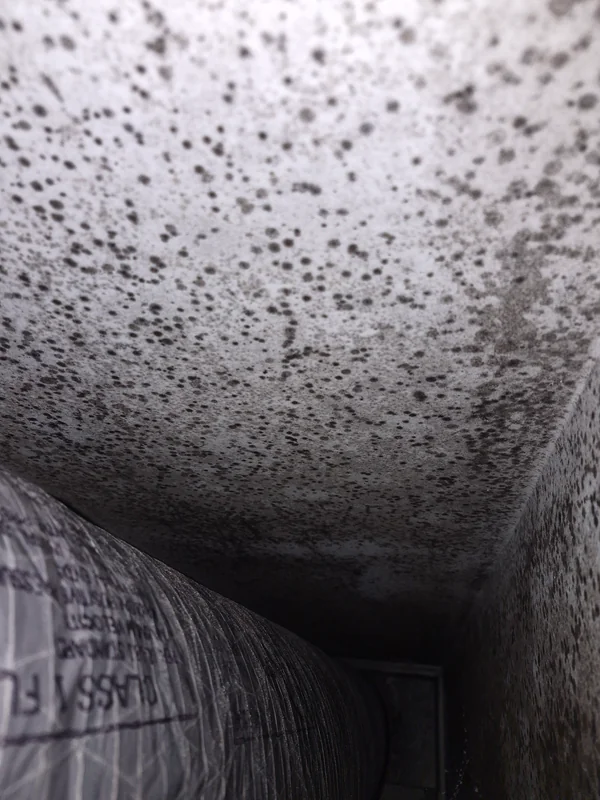
Most Upper Makefield homes were built between the 1970s and 1990s. That means the ductwork running through your walls and floors is anywhere from 30 to 50 years old and in many cases, it has never been professionally cleaned. Not once.
What accumulates over that time isn’t just dust. In homes near the Delaware River or along the creek corridors that cut through Upper Makefield, it’s often biological contamination that builds quietly in the dark, damp interior sections of your HVAC system while you’re going about your life.
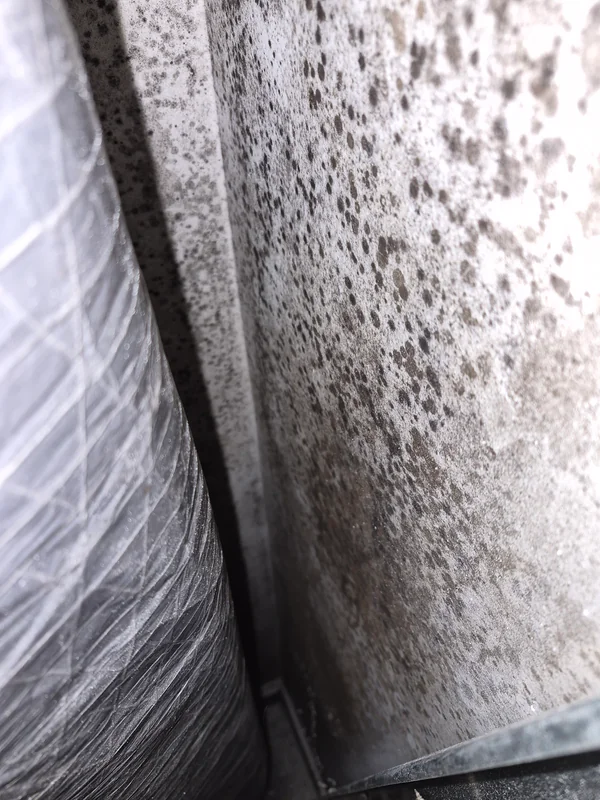
The problem with mold in ductwork is that your HVAC system doesn’t contain it it distributes it. Every time your system kicks on, whatever is living inside those ducts gets pushed into every room in your home simultaneously. A contaminated section near the air handler becomes a whole-house issue before you ever notice a smell.
For Upper Makefield homeowners who’ve had any water in a basement or crawl space after a storm, after a wet spring, after one of the documented Route 32 flood events this isn’t a hypothetical. It’s a realistic consequence of where you live.
After a proper air duct cleaning from us, you’re not just getting cleaner registers. You’re getting a system that’s been inspected by certified mold specialists, not just vacuumed by a general technician. The difference matters, especially in a home where the ductwork has spent decades cycling through Bucks County’s above-average rainfall and the ambient humidity that comes with living in a river valley.
We’re based in Bensalem, PA, and have been serving Upper Makefield and the broader Bucks County area for years. We’re IICRC certified and follow EPA guidelines on every job which matters here because air duct cleaning in a township with historic crawl spaces, clay-heavy soil, and documented flood exposure isn’t the same job as cleaning ducts in a newer, drier suburban development.
What separates us from a general HVAC cleaner is our mold remediation background. When a technician without that training disturbs mold inside ductwork, they can spread spores through the system rather than eliminate them. We use the same containment protocols on air duct jobs that we apply to full mold remediation work. That’s not a standard practice in this industry it’s something most companies simply don’t do.
Homeowners in Washington Crossing, the Traditions at Washington Crossing community, and throughout Upper Makefield have access to free inspections, upfront pricing with no surprises, and post-service verification that confirms the work actually worked. You get documentation, not just a handshake.
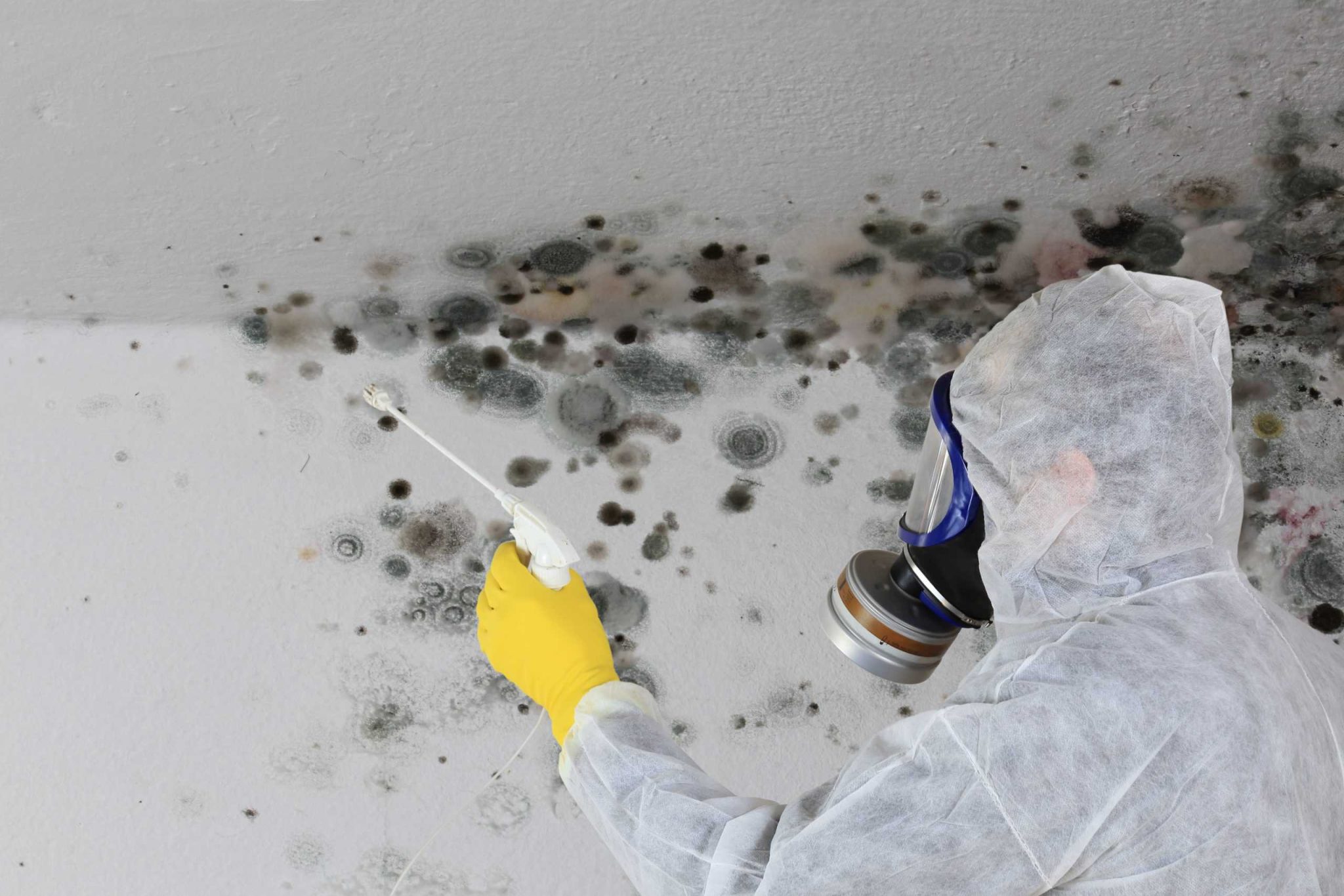
It starts with a free inspection. Before any cleaning begins, a certified technician from our team walks through your home and assesses the HVAC system not just what’s visible at the registers, but the full picture.
In Upper Makefield, that inspection pays particular attention to where your air handler is located, whether the surrounding area has any history of moisture exposure, and whether the clay-heavy soil conditions common in this township have contributed to persistent basement or crawl space humidity near your equipment.
If contamination is found, we establish containment before any mechanical cleaning begins. This is the step that most general duct cleaners skip entirely. Disturbing mold without proper containment spreads spores through the system the opposite of what you’re paying for. We use the same negative air pressure and HEPA filtration protocols on duct cleaning jobs that we apply to full mold remediation work, because the biology inside your ducts doesn’t care what category of service you booked.
After the cleaning is complete, you have the option for post-service air quality testing lab-verified results that confirm your system is clean, not just an assurance from the technician that it looks better. For homeowners in a real estate transaction, or for anyone who simply wants documentation rather than a promise, that final step is what closes the loop. A proper job on a typical home takes several hours. You’ll know what was found, what was done, and what the results showed.
Ready to get started?
We handle the full scope of what Upper Makefield homes typically need when it comes to duct systems. That includes air duct cleaning, HVAC duct cleaning, air duct sanitizing, and dryer vent cleaning each of which addresses a different part of the same overall indoor air quality picture.
Air duct cleaning and air duct sanitizing are not the same thing, and it’s worth understanding the difference. Cleaning removes the physical debris, particulate matter, and biological growth from inside the ductwork. Sanitizing applies an antimicrobial treatment after the mechanical cleaning is done, targeting any remaining biological contaminants on duct surfaces.
In homes that have had confirmed mold, water intrusion, or significant humidity exposure which describes a meaningful number of properties near Houghs Creek, Pidcock Creek, and the river corridor in Upper Makefield sanitizing is the step that addresses what the vacuum alone can’t eliminate.
Dryer vent cleaning is also part of what we offer, and it’s worth treating as a safety service rather than optional maintenance. The NFPA documents roughly 15,970 dryer-related house fires per year nationally, and failure to clean the vent is the leading cause. Upper Makefield’s larger homes often have longer dryer duct runs than smaller properties longer runs accumulate lint faster and restrict airflow more significantly.
Pennsylvania doesn’t require a specific license for air duct cleaning services, but we bring certified mold remediation credentials to every job regardless, because the work inside a duct system in this area demands more than a general cleaning technician can offer.
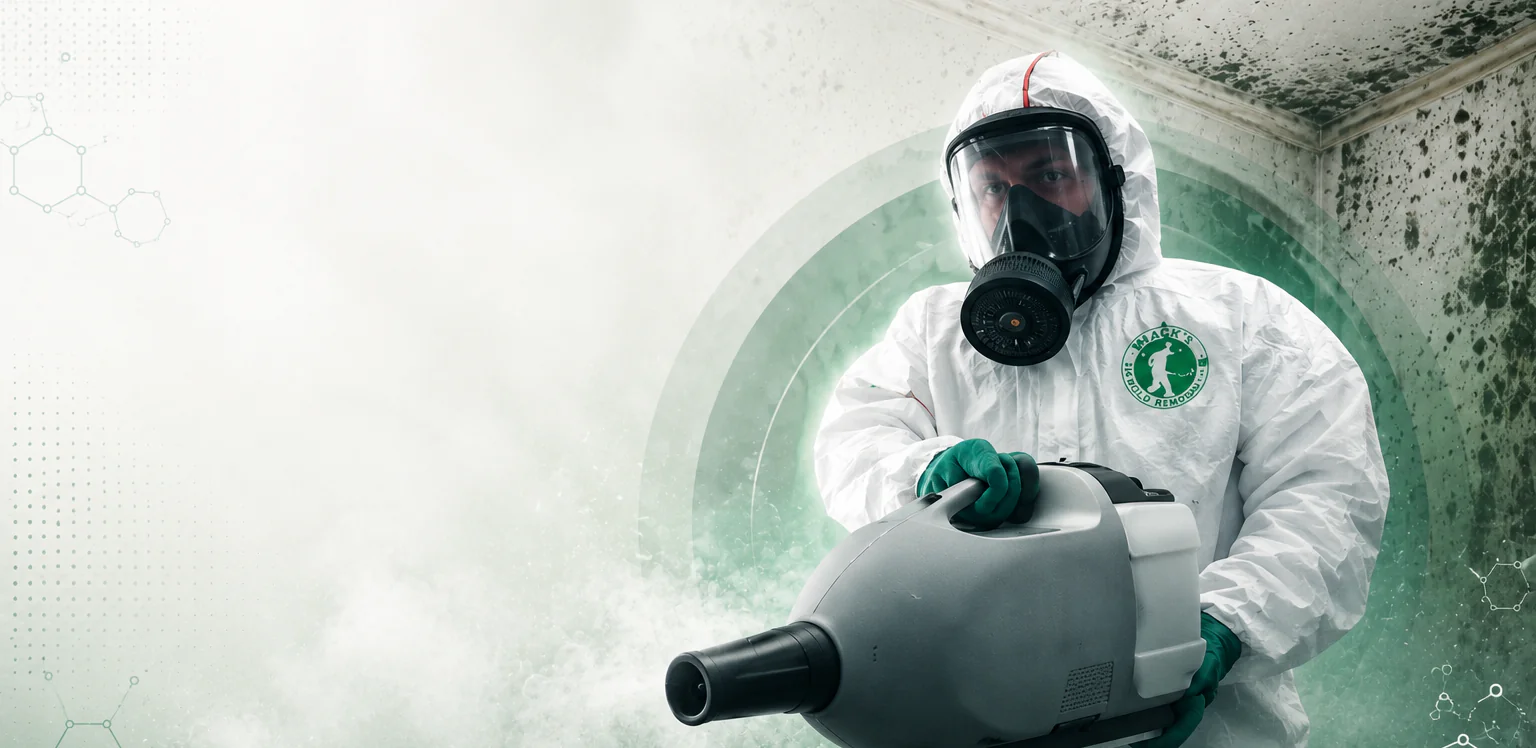
It can, and it’s more common than most homeowners realize. When water enters a basement or crawl space even temporarily, even in small amounts the moisture doesn’t just dry up and disappear. It lingers in the surrounding materials and in the air around your HVAC equipment. If your air handler or ductwork is located in that space, it’s been sitting in an elevated-humidity environment every time a flood event or heavy storm pushed water toward your foundation.
Upper Makefield’s Route 32 corridor has documented recurring flood closures, and the township’s clay-heavy soil means groundwater stays elevated near foundations for days or weeks after rain events rather than draining quickly. For homes near the Delaware River or along the Houghs Creek and Pidcock Creek corridors, that combination creates exactly the conditions where mold establishes itself inside ductwork in the dark, undisturbed interior sections where no one thinks to look. A certified inspection is the only way to know for certain what’s in there.
The most common signal is a musty smell that appears specifically when your HVAC system is running. If the smell is present when the system is off but disappears when it’s on, the source is likely elsewhere. But if it gets stronger or spreads through the house when the air kicks on, that’s a strong indicator that something biological is living inside the ductwork and getting distributed through your home every time the system cycles.
Other signs include worsening allergy or respiratory symptoms that seem to improve when you leave the house for a few days, visible discoloration around supply registers, or a history of water intrusion near your HVAC equipment. None of these are definitive on their own, but together they paint a picture. The only way to confirm mold in ductwork is a proper inspection using moisture meters, air sampling, and in some cases lab analysis which is exactly what we do before recommending any scope of work.
Cleaning and sanitizing are two separate steps that address two different problems. Cleaning is the mechanical process using negative air pressure, HEPA-filtered vacuums, and agitation tools to physically remove debris, particulate matter, and biological growth from inside the ductwork. It gets the physical contamination out of the system.
Sanitizing comes after cleaning and applies an antimicrobial treatment to the interior duct surfaces. The purpose is to address biological contaminants that may remain on the duct walls after the mechanical cleaning is complete mold spores, bacteria, and other organic material that the vacuum alone can’t fully eliminate. For Upper Makefield homes that have had confirmed mold, a history of basement moisture, or any flood exposure near HVAC equipment, sanitizing is the step that completes the job. Doing one without the other in a contaminated system is like washing a surface but skipping the disinfectant.
Industry guidance from NADCA generally points to every three to five years as a reasonable interval for routine cleaning in a typical home. But “typical” doesn’t describe most of Upper Makefield’s housing stock. Homes built in the 1970s and 1980s which make up a large portion of the township have ductwork that is now 40 to 50 years old, often with flex duct connections that have loosened over time and crawl spaces that were never designed with modern moisture control in mind.
For these homes, the more relevant question isn’t how often it’s whether it’s ever been done at all. If you’ve owned your home for more than a decade and have no record of a professional duct cleaning, that alone is reason enough to schedule an inspection. Add in any history of basement water, a musty smell from the vents, or proximity to one of the creek corridors in Upper Makefield, and the case becomes more urgent. A free inspection from us will tell you exactly what you’re dealing with before any cleaning is recommended.
This is one of the most important questions to ask before you hire anyone. A general HVAC technician is trained to assess and service the mechanical components of your heating and cooling system the equipment itself. They are not typically trained in mold identification, containment protocols, or remediation procedures. When a technician without mold remediation training disturbs contaminated ductwork, they can inadvertently spread spores through the system rather than remove them, which makes the problem worse, not better.
We bring IICRC-certified mold remediation expertise to every air duct cleaning job. That means proper containment is established before cleaning begins, the same way it would be on a full mold remediation project. For Upper Makefield homeowners dealing with suspected or confirmed mold in their HVAC system particularly in homes near the Delaware River corridor where moisture exposure is a documented, recurring factor this distinction is the difference between a cleaning that solves the problem and one that spreads it.
It’s a legitimate fire safety service, and the data behind it is straightforward. The National Fire Protection Association documents roughly 15,970 home structure fires per year involving dryers, and failure to clean the dryer vent is the leading cause not a mechanical failure, not an electrical issue, but lint buildup in the exhaust duct restricting airflow until the heat has nowhere to go.
In Upper Makefield specifically, this matters more than it might in a smaller or more compact home. The township’s larger properties many of them 1970s and 1980s colonials with laundry rooms positioned well away from exterior walls tend to have longer dryer duct runs than smaller homes. Longer runs accumulate lint faster, restrict airflow more significantly over time, and create a higher fire risk if left unserviced. If your dryer is taking longer than one cycle to dry a normal load, or if the exterior of the machine feels unusually hot after a cycle, those are signs the vent needs attention. We include dryer vent cleaning as part of the same home air quality and safety service offering not as an afterthought, but because it addresses a real risk in homes like the ones throughout this township.
Other Services we provide in Upper Makefield