

Hear from Our Customers
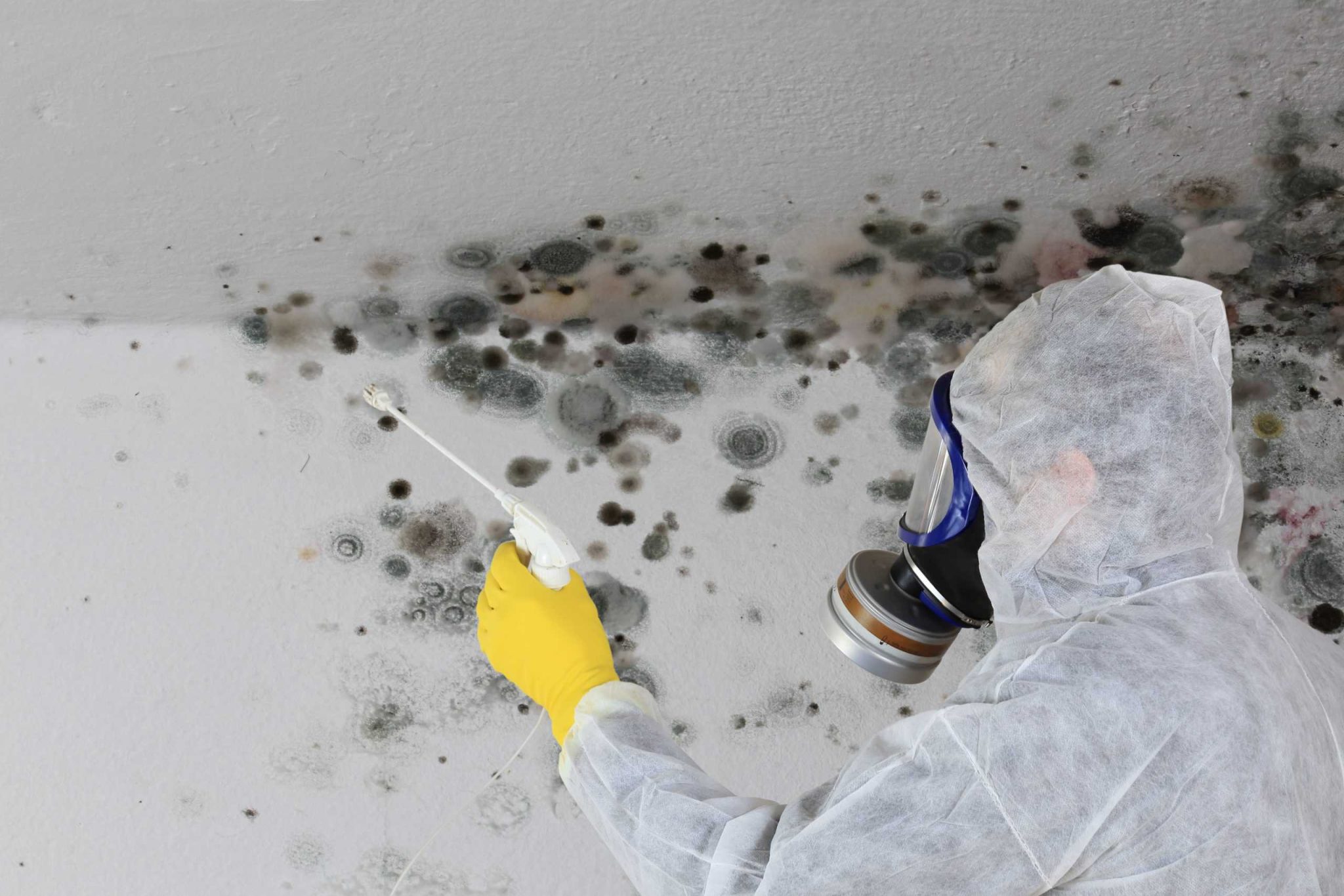
If you’ve noticed a musty smell when the heat kicks on, or your allergies seem worse indoors than they do outside, your duct system is worth a serious look. In Spinnerstown, that’s not hypothetical it’s a reality for many older homes along Spinnerstown Road, Geryville Pike, and the rural corridors of Milford Township.
Ductwork installed in the 1960s, 70s, or 80s wasn’t built to modern sealing standards. After decades of Pennsylvania humidity cycling through it, biological growth is common. What changes after a proper cleaning isn’t subtle. The musty smell stops. The air coming through your registers doesn’t carry that stale, heavy quality anymore.
If you have kids at home and with Pfaff Elementary right here in Spinnerstown, plenty of families do you’re not left wondering what they’re breathing in every day. Spinnerstown’s rural setting means many properties sit on larger lots with crawl space foundations. When ductwork runs near or through a damp crawl space, moisture migrates in.
Mold that starts in a crawl space doesn’t stay there once your HVAC system is running it gets distributed to every room. A cleaning that addresses only what’s visible at the register misses the problem entirely. What you need is someone who understands both sides of that equation.
We’re based in Bensalem and have been serving Bucks County including Spinnerstown and the rest of Milford Township for over 15 years. This isn’t a national brand dispatching a technician who’s never been to Upper Bucks. Our team has worked inside older Spinnerstown homes and knows what the humidity and soil moisture conditions in the Unami Creek watershed do to ductwork over time.
We approach every job with that context in mind. What sets us apart from a general duct cleaning company is our mold remediation background. Certified mold inspectors don’t just vacuum out debris we identify where contamination is coming from, contain it properly, and verify the results with lab testing after the job is done. Multiple customers have specifically called out that post-cleaning verification step as the reason they felt confident the work was actually finished.
You also get direct access to a named, accountable owner not a call center. When you reach out, you’re talking to someone who knows this business and this area, not someone reading from a script.
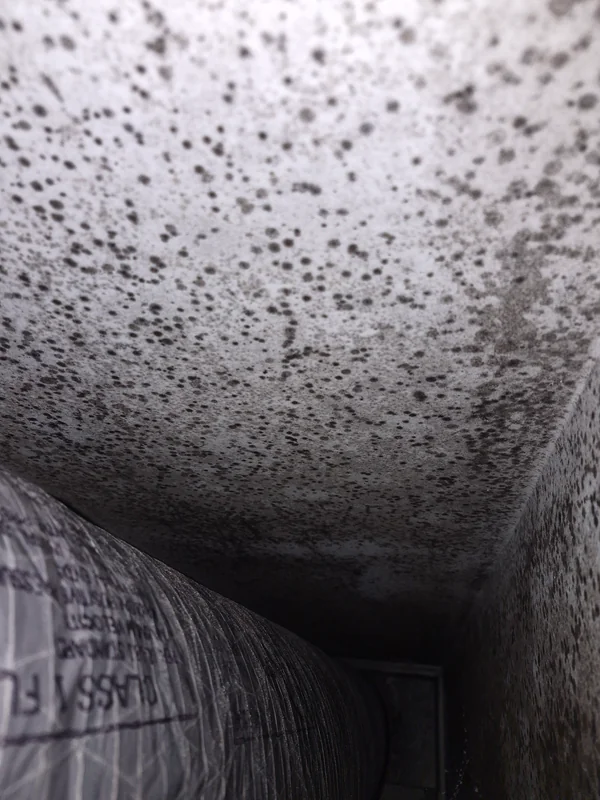
It starts with a free inspection. Before any work is quoted or scheduled, we walk through your home to understand what’s actually going on inside the duct system. In older Spinnerstown properties especially those with crawl spaces or ductwork running through unconditioned spaces that inspection often reveals moisture damage or biological growth that a standard visual check at the register would never catch.
We use infrared cameras and moisture meters as part of that process, not an upsell. Once the inspection is complete, you get an upfront quote. The number you’re given is the number you pay.
From there, the cleaning itself involves mechanical agitation to dislodge debris from inside the ductwork, negative air pressure equipment to pull it out without spreading it through the home, and proper containment protocols if mold is present. This is the part that matters most disturbing mold without containment pushes spores into the living space. A general duct cleaner doesn’t always account for that. We do.
After the cleaning, affected areas are tested to confirm the mold is gone. You get documentation of what was found, what was done, and what the post-cleaning results showed. For Spinnerstown homeowners who have been in their homes for decades, that kind of verification is worth a lot more than a truck driving away and a handshake.

Ready to get started?
Air duct cleaning is the core of what we do on these jobs, but it’s rarely the whole picture. For homes in Spinnerstown where mold is a confirmed or suspected issue, air duct sanitizing is a natural follow-up mechanical cleaning removes the physical debris, and sanitizing applies antimicrobial treatment to address any biological residue left on interior duct surfaces. These are two distinct steps, and both matter when mold is involved.
Dryer vent cleaning is also part of our service offering, and it’s worth taking seriously in older Milford Township homes. Longer vent runs common in rural properties on larger lots give lint more distance to accumulate and more bends where blockages form. The NFPA reports that failure to clean dryer vents is the leading cause of the roughly 15,970 dryer-related house fires that occur in the U.S. every year.
That’s not a statistic to file away it’s a reason to check the vent if it hasn’t been done recently. We also work directly with insurance companies when mold-related duct contamination is part of a larger claim. If you’ve had water intrusion, a basement seepage issue, or a previous mold remediation job elsewhere in your home, and you’re now wondering about the ducts, that insurance coordination piece can save you significant time and frustration.
Financing is available as well, so the cost of doing the job right doesn’t have to be a barrier.
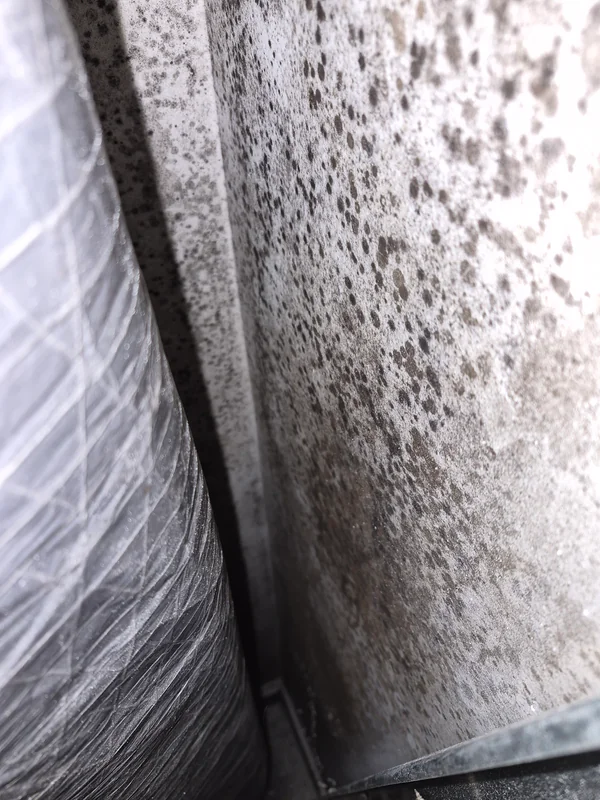
The most common sign is a musty or stale smell that appears specifically when your HVAC system is running not when it’s off. If the odor goes away when the system shuts down, that’s a strong indicator the smell is coming from inside the ductwork rather than from another part of the home. You might also notice worsening allergy or respiratory symptoms indoors, or see discoloration around the edges of your supply registers.
In Spinnerstown, older homes along rural roads like Geryville Pike and Old Bethlehem Pike have ductwork often run through crawl spaces or unconditioned basement areas environments where moisture accumulates year-round, especially given the Unami Creek watershed’s effect on local soil moisture. That moisture doesn’t stay in the crawl space; it migrates into the duct system over time. A professional inspection using infrared cameras and moisture meters can identify contamination in areas you’d never see with a flashlight at the register. If mold is confirmed, lab testing of samples determines exactly what you’re dealing with and how to address it properly.
That’s a fair question, and the honest answer is: it depends on what’s going on in your system. The EPA’s position is nuanced routine cleaning in the absence of a specific problem has unclear benefits. But when mold is confirmed, when there’s been a pest intrusion, or when significant debris is clogging the system, the EPA explicitly recommends cleaning.
Those aren’t edge cases; they’re exactly the situations we’re called in for. The scenario where duct cleaning is genuinely worth it is when there’s a real contamination issue and in older Spinnerstown homes that have been owner-occupied for decades, that’s not a rare situation. Ductwork installed in the 1970s or 80s that has never been professionally cleaned has had a long time to accumulate debris, moisture damage, and biological growth. The free inspection we offer before quoting any work exists precisely so you’re not paying for something you don’t need if the inspection doesn’t find a problem worth addressing, you’ll be told that directly.
Yes, and this is one of the most important things to understand about mold and HVAC systems. When mold establishes itself inside ductwork or when a contaminated crawl space sits beneath ductwork that isn’t properly sealed every heating or cooling cycle pulls air across those surfaces and distributes spores throughout the home. A mold problem that started in a single location becomes a whole-house air quality issue the moment the system kicks on.
This is especially relevant for Spinnerstown properties with crawl space foundations, which are common in rural Upper Bucks County. Crawl spaces in this area are prone to moisture accumulation from inadequate vapor barriers and poor ventilation. When ductwork runs through or near those spaces, the connection between crawl space mold and duct contamination is direct. Addressing mold in the living space without also inspecting and cleaning the ducts can leave the source of ongoing contamination untouched which is why we treat the duct system as part of the full remediation picture, not an afterthought.
For most homes, a thorough professional air duct cleaning takes between four and six hours. That’s the industry standard for a job done correctly both supply and return ducts cleaned, not just the registers you can see. If a company is quoting you a job that wraps up in under an hour, that’s a red flag worth paying attention to.
For older homes in Spinnerstown and Milford Township, the timeline can extend depending on what the inspection reveals. Homes with more complex duct layouts, longer duct runs, or confirmed mold contamination requiring containment protocols will take longer than a straightforward cleaning on a newer, simpler system. That’s not a reason to be concerned it’s a reason to appreciate that the job is being done thoroughly. We’ll give you a realistic time estimate based on what the initial inspection shows, so you’re not surprised on the day of the job.
Air duct cleaning is the mechanical process using specialized equipment to dislodge debris from inside the ductwork and remove it with negative air pressure systems. It addresses the physical buildup: dust, debris, and biological matter that has accumulated on duct surfaces. Air duct sanitizing is a separate step that applies antimicrobial treatment to the interior duct surfaces after cleaning, targeting any biological residue that remains after the mechanical process.
Whether you need both depends on what’s in your system. For a home where the concern is primarily dust and general buildup, cleaning alone may be sufficient. But when mold is involved which is a realistic scenario for many older Spinnerstown homes given the area’s humidity levels and the moisture conditions associated with crawl space foundations sanitizing is the step that addresses what cleaning alone can’t fully eliminate. Pennsylvania summers push indoor humidity into the range where mold thrives, and Spinnerstown’s rural tree canopy keeps ambient moisture elevated longer than open suburban environments. In that context, sanitizing after cleaning isn’t an unnecessary add-on; it’s the completion of the job.
The clearest warning signs are a dryer that takes longer than one cycle to fully dry a load, a laundry room that feels unusually hot while the dryer is running, or a dryer exterior that’s hot to the touch after a normal cycle. Any of these points to restricted airflow, which is almost always caused by lint buildup in the vent. If you can’t remember the last time the vent was professionally cleaned or if you’ve never had it done that’s reason enough to have it checked.
Older homes in Spinnerstown and Milford Township often have longer dryer vent runs than newer suburban construction, simply because of the way these rural properties are laid out. More distance and more bends in the vent line means more places for lint to accumulate and more opportunity for blockages to form over time. The NFPA puts dryer-related house fires at roughly 15,970 per year nationally, with failure to clean the vent as the leading cause. That risk is disproportionately relevant in older rural homes where the vent configuration wasn’t designed with modern safety standards in mind. A professional cleaning clears the full length of the vent not just the accessible section near the dryer and confirms airflow is restored before the job is considered finished.
Other Services we provide in Spinnerstown