

Hear from Our Customers
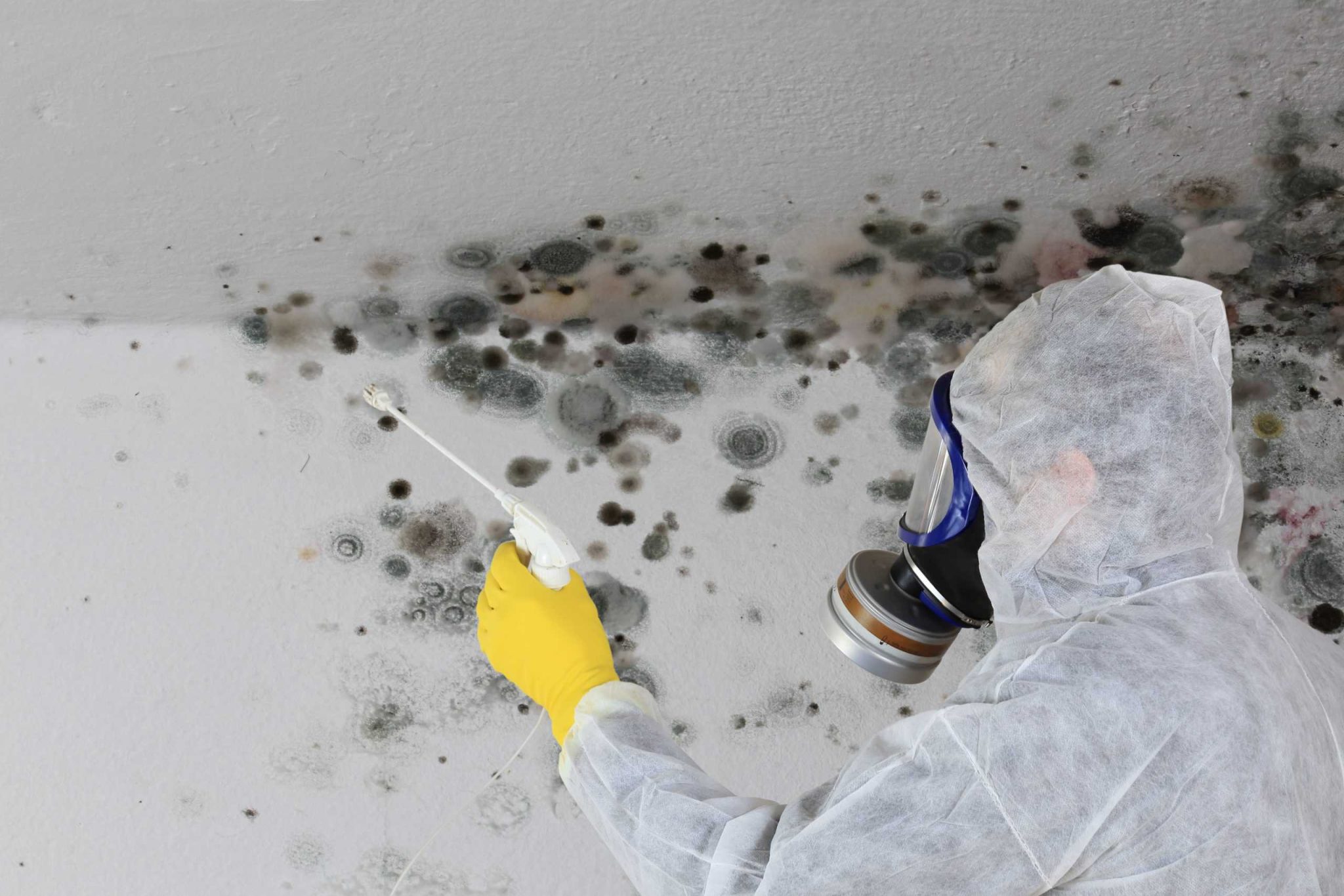
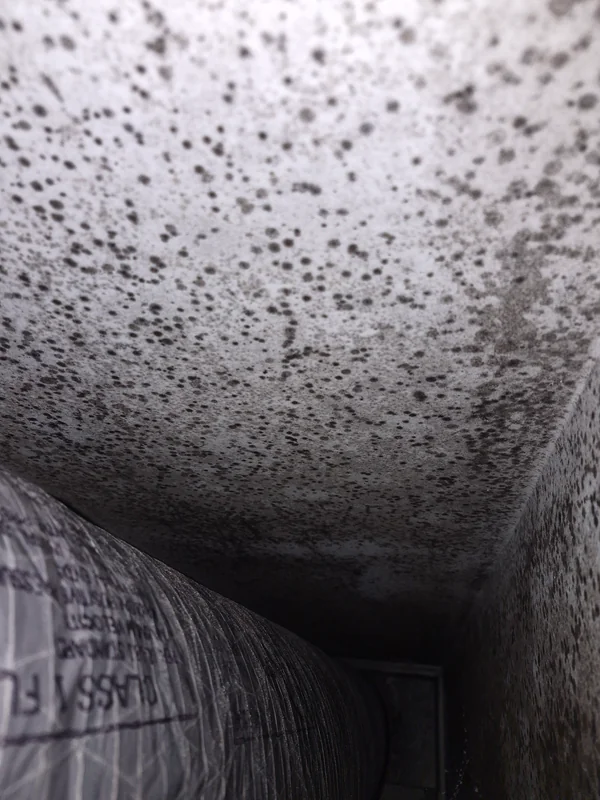
Most homeowners in Rushland don’t find out there’s mold in their ductwork until they notice a musty smell every time the heat kicks on. By that point, the HVAC system has already been pushing contaminated air into every room for weeks sometimes months. When we clean the ducts and verify the mold is gone, that stops. You’re not just freshening the air; you’re cutting off the distribution point.
For homes in the Neshaminy Creek watershed, this isn’t a hypothetical risk. When the creek rises after a wet spring or a tropical storm remnant rolls through as it did in December 2023, with the bridge near Rushland used as a flood monitoring point moisture finds its way into basements and crawl spaces. From there, it gets drawn into the HVAC return air, deposits on evaporator coils, and settles into the interior of the ductwork. That’s where mold grows. That’s what gets circulated when the system runs.
Rushland’s housing stock adds another layer. Victorian-era homes and farmhouses dating back centuries were never designed for forced-air systems. When ductwork was retrofitted into these structures, it was threaded through irregular cavities with limited insulation and poor vapor control exactly the conditions where moisture accumulates and mold takes hold. Cleaning those ducts correctly gives you something that actually lasts.
We’ve been working in Bucks County for over 15 years. That means we’ve been inside the old farmhouses off Cedar Lane, the Victorian homes lining Swamp Road through Rushland, and the creek-adjacent properties in Wrightstown Township that deal with recurring moisture every single spring. We’re not learning your area on the job.
The difference between us and a general duct cleaning company is that we come in as certified mold remediation specialists first. We know that disturbing mold in an old Rushland home without proper containment can spread spores into areas that were clean before you called. That’s not a risk worth taking in a historic property where original woodwork and plaster aren’t replaceable.
After the work is done, we test the affected areas to confirm the mold is actually gone not just cleaned around. That post-remediation verification step is something most competitors skip entirely. It’s also the thing homeowners remember most when they leave reviews.

It starts with a free inspection. Before any cleaning happens, a certified inspector evaluates the system looking at the ductwork, the evaporator coils, the return air pathways, and any areas where moisture may have entered. For homes in Rushland, that inspection pays particular attention to basement and crawl space conditions, since those are the most common entry points for the moisture that eventually reaches the HVAC system after a Neshaminy Creek flooding event or a stretch of humid summer weather.
If mold is found, containment comes before cleaning. This is the step that separates a mold specialist from a standard duct cleaner. We use proper containment protocols to make sure that the cleaning process doesn’t push spores into areas of the home that weren’t already affected. In an older Rushland home especially one with original construction materials and limited vapor barriers skipping that step isn’t just sloppy, it can make things worse.
Once the ducts are cleaned, the job isn’t marked done until post-cleaning testing confirms the mold is gone. You get documentation, not just a handshake. If air duct sanitizing is warranted applying an antimicrobial treatment to the interior of the system after mechanical cleaning that gets discussed openly, with upfront pricing, before anything is added to the scope.
Ready to get started?
Air duct cleaning is the core of what we do in Rushland, but it rarely exists in isolation. We clean both supply and return ductwork the full system, not just the registers you can see. When mold is involved, that cleaning is paired with mold inspection and testing so you know exactly what you’re dealing with before the work starts, and exactly what’s left when it’s done.
Dryer vent cleaning is another service that matters more than most Rushland homeowners realize. Older homes and Rushland has plenty of them often have dryer vent runs that are longer, less direct, or made from materials that accumulate lint faster than modern installations. The NFPA reports nearly 16,000 dryer-related house fires per year in the U.S., with failure to clean the vent as the leading cause. In a historic Rushland property, a dryer fire isn’t just a property damage event. It’s a threat to something that can’t be rebuilt the way it was.
Air duct sanitizing applying an antimicrobial treatment after the mechanical cleaning is complete is available for situations where biological contamination warrants it. We also work directly with insurance companies on claims, which is worth knowing if your moisture issue traces back to a documented flood or water damage event. We offer free inspections upfront, and pricing is given before any work begins.
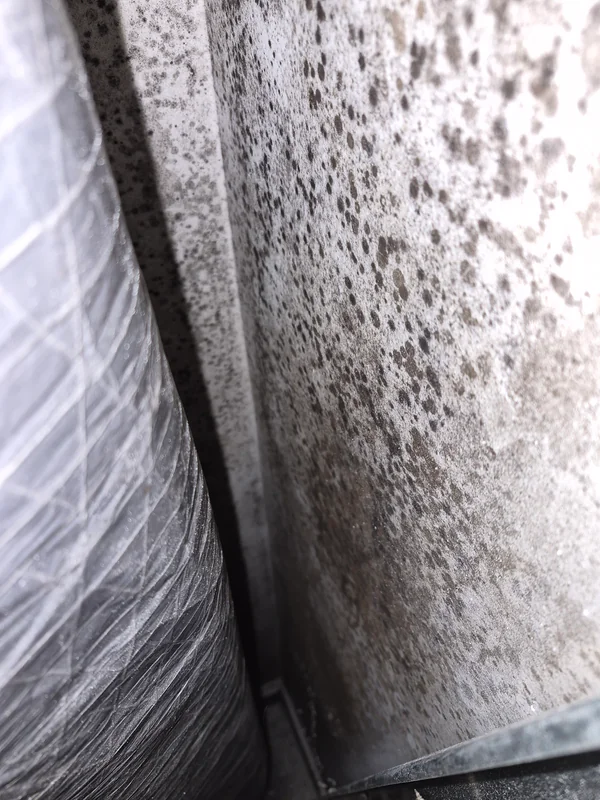
The most common sign is a musty or stale smell that appears specifically when the HVAC system runs either the heat in winter or the air conditioning in summer. If the smell disappears when the system is off but comes back every time it kicks on, that’s a strong indicator that something biological is living inside the ductwork, not just surface dust.
For homes in Rushland, the risk factors are more concentrated than in a typical suburban neighborhood. Creek-adjacent properties in the Neshaminy watershed deal with recurring moisture events wet basements after spring snowmelt, groundwater intrusion after heavy rain, and the kind of ambient humidity that comes with living near Mill Creek and the Neshaminy. If your Rushland home has experienced a wet basement in the last few years and you haven’t had the ducts inspected, that’s reason enough to schedule a free inspection and find out what’s actually in there.
The honest answer is that it depends on what’s in the ducts. For routine dust accumulation in a newer home with no moisture history, the benefit is debatable even the EPA acknowledges that. But that’s not the situation most Rushland homeowners are dealing with. When mold is confirmed or suspected in the ductwork, the EPA explicitly recommends cleaning. When a home has had water intrusion, flooding, or sustained high humidity all common in the Neshaminy Creek watershed cleaning becomes a logical response to a documented problem, not an upsell.
The concern most people have is the industry’s reputation for bait-and-switch pricing: a $99 offer that turns into a $600 job once the technician is in your home. We address this directly with free inspections and upfront pricing the number you’re quoted is the number you pay. For a homeowner in Rushland who has invested in a historic property, that transparency matters more than a low initial number.
Yes, and that’s what makes HVAC mold different from mold you find on a basement wall. A patch of mold on a concrete block stays where it is until you remove it. Mold inside ductwork gets distributed every time the system runs, air moves through the contaminated section and carries spores to every room the system serves. A home with mold in one duct section effectively has a mold distribution system built into the walls.
This is especially relevant in Rushland, where homes are often large, older structures with extensive duct runs. A Victorian-era home or a farmhouse with retrofitted ductwork can have significant square footage being served by a system that, if contaminated, is cycling spores through every room continuously. The longer it runs unaddressed, the more surfaces those spores land on. Getting the ducts cleaned and the source treated is how you stop the spread not just in the ducts, but in the rooms they serve.
If your basement took on water even once and your HVAC system has a return air intake or air handler in or near that space, then yes, an inspection is worth doing. Water that enters a basement doesn’t just evaporate harmlessly. It raises the humidity in the space, gets drawn into the HVAC return air, and deposits on the cool metal surfaces of the evaporator coil and interior ductwork. Those surfaces stay damp long after the visible water is gone, and mold can establish itself within 24 to 48 hours of sustained moisture exposure.
The Neshaminy Creek watershed that runs through Rushland and Wrightstown Township is a documented flood zone the USGS maintains an active stream gauge specifically named “Neshaminy Creek near Rushland, PA,” and the December 2023 flooding event was tracked at the bridge near Rushland. If your property was affected by that event or any similar one, a duct inspection isn’t an overreaction. It’s a reasonable follow-up to a real moisture event, and the free inspection we offer means there’s no cost to finding out.
For most homes, a thorough professional air duct cleaning takes between four and six hours. That’s the industry standard for a job done correctly both supply and return ducts cleaned, not just the registers you can see from the floor. If the inspection reveals mold that requires containment and remediation before the cleaning proceeds, the timeline extends accordingly, and that’s the right call. Rushing past mold to get to the cleaning is how you spread a problem instead of solving it.
For older homes in Rushland Victorian-era structures, retrofitted farmhouses, properties with irregular duct runs that weren’t purpose-built for forced air the inspection phase can take longer than in a newer home with standard ductwork. These homes often have duct sections that are harder to access, more seams that may have allowed moisture infiltration, and more areas that require careful evaluation before any mechanical cleaning begins. We walk through what we find before the work starts, so you know what you’re getting into before any commitment is made.
Yes. We work directly with insurance companies on claims a step most standalone duct cleaning companies don’t offer and that can save homeowners significant time and frustration during an already stressful situation. For Rushland homeowners whose mold or moisture issues trace back to a documented water damage or flood event, there may be coverage available that you’re not aware of or don’t know how to access.
This is particularly relevant in the Neshaminy Creek watershed, where flood events are documented and recurring. If your home sustained water damage during a flooding event and mold developed as a result, that’s the kind of situation where insurance coverage for remediation including HVAC and duct work may apply. We can help navigate that process, communicate with your insurer directly, and document the scope of work in a way that supports your claim. It doesn’t guarantee coverage, but having a company that knows how to work within that system is a meaningful advantage when you’re already dealing with the stress of a mold problem in your home.
Other Services we provide in Rushland