
Hear from Our Customers

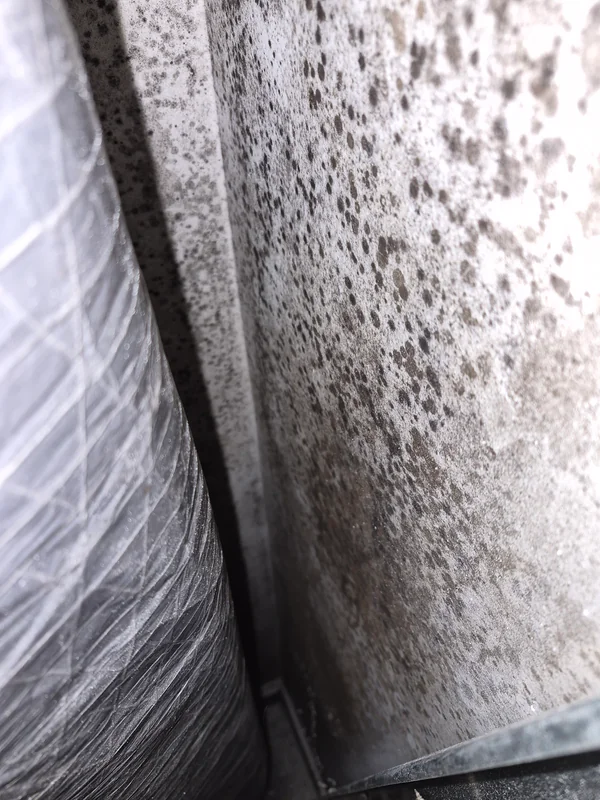
Most homeowners in Plumstead don’t think about their ductwork until something forces the issue a musty smell when the heat kicks on, allergy symptoms that won’t quit, or a mold discovery somewhere else in the house that raises the obvious question: what about the vents?
Here’s what changes when the problem gets addressed properly. The air circulating through your home stops carrying whatever has been accumulating in your duct system. For families with kids in Central Bucks schools, that matters more than it sounds. Every time your HVAC runs, it’s delivering air to every room simultaneously and if there’s mold colonizing the interior duct surfaces, that’s what your household is breathing on repeat.
Plumstead’s geography makes this more than a theoretical concern. The township is drained by Cabin Run Creek, Geddes Run, and Hickory Creek, with the Delaware River forming the eastern border along Route 32. That network of waterways keeps groundwater tables elevated across much of the township, which drives basement and crawlspace humidity upward and many Plumstead homes pull return air directly from those spaces. When we clean and sanitize your ductwork, we’re addressing the actual source of the problem, not just vacuuming out the visible dust at the register.
We’ve been working in Bucks County for over 15 years. That’s not a number pulled from a marketing sheet it means we’ve seen what Plumstead’s specific conditions do to homes over time. The creek-valley topography, the older farmhouses and converted village structures near Dyerstown and Gardenville, the retrofitted ductwork in properties that were never designed for forced-air HVAC none of that is a surprise to us.
We’re based in Bensalem and serve Bucks County as our primary market. When you call, you’re not reaching a national call center. Our work is done by certified mold remediation specialists who understand that cleaning a duct system in a 19th-century Plumstead farmhouse is a different job than cleaning ducts in a newer subdivision and we approach it accordingly.
We also work directly with insurance companies when mold discoveries are tied to a covered water event, and we offer flexible financing when the timing isn’t ideal. Free inspections and upfront pricing mean you know what you’re dealing with before any work begins.
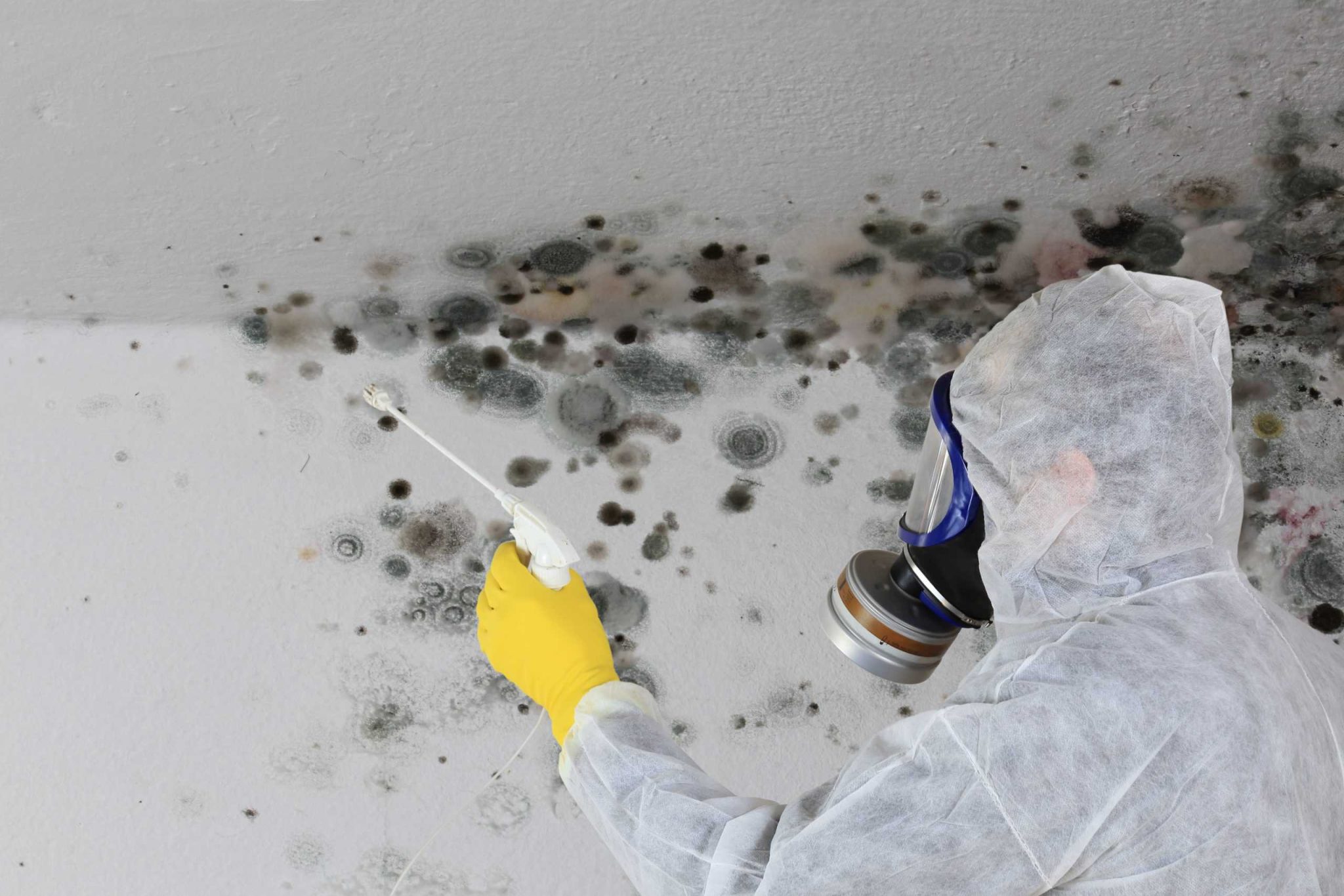
It starts with a free inspection. Before anything else, one of our certified specialists looks at your HVAC system and ductwork to understand what’s actually present dust accumulation, biological growth, or both. In Plumstead homes, particularly those with basements or crawlspaces near the creek corridors along Route 32 or in the lower-lying areas off Route 611, that inspection often reveals moisture-related contamination that wouldn’t be visible from the register alone.
If mold is confirmed in the ductwork, the process shifts into remediation protocols not just cleaning. That means containment to prevent spores from spreading to other areas of your home while the work is being done, followed by mechanical cleaning of both supply and return ducts using professional-grade equipment. Air duct sanitizing, which applies an antimicrobial treatment to interior duct surfaces after the physical cleaning, is a separate and additional step that matters specifically when mold is involved it addresses biological contamination that mechanical cleaning alone doesn’t fully eliminate.
After the job is complete, we test the affected areas to confirm the mold is gone. That post-service verification step is documented and provided to you not just a verbal assurance, but actual proof. For a Plumstead homeowner who paid for professional service, that confirmation is the point of the whole process.

Ready to get started?
We handle air duct cleaning, HVAC duct cleaning, air duct sanitizing, and dryer vent cleaning each of which addresses a different part of the same overall indoor air quality picture.
The dryer vent cleaning piece is worth taking seriously, especially in Plumstead’s older housing stock. The NFPA reports more than 15,000 dryer-related house fires annually in the U.S., and failure to clean the dryer vent is the leading cause. In older Plumstead homes particularly those with longer or more convoluted vent runs that were retrofitted into structures not originally built with dryers in mind lint accumulates faster and poses a genuine fire risk. This isn’t a maintenance preference; it’s a safety issue.
On the mold side, Plumstead homeowners who have already had mold remediated in a basement, crawlspace, or wall cavity should treat the ductwork as the next logical step. Mold in one part of a home doesn’t stay there the HVAC system is the most efficient distribution mechanism in the building, and leaving contaminated ducts untreated after a remediation job creates the conditions for the problem to return. We bring certified mold remediation expertise to the duct cleaning process, which is a meaningfully different service than what a general HVAC cleaner provides.
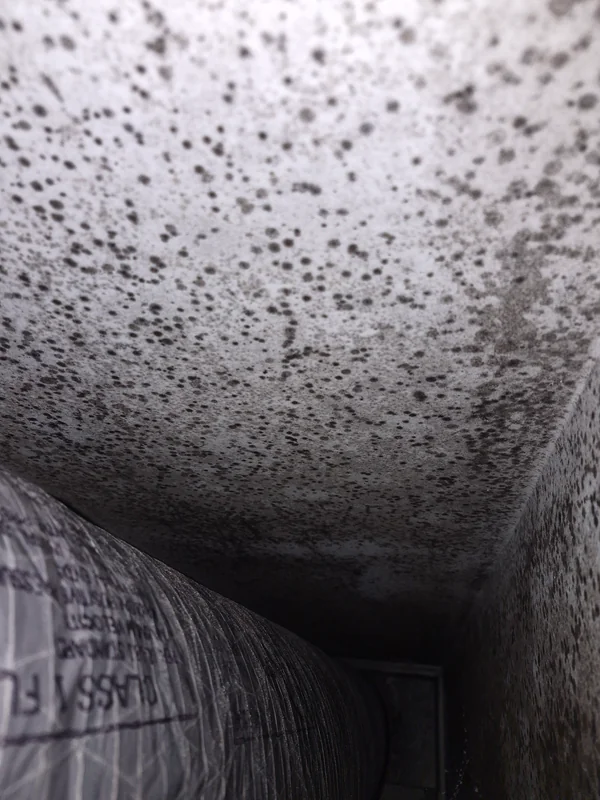
The most common sign is a musty smell that appears specifically when your HVAC system turns on and disappears when it shuts off. That pattern points to something inside the duct system rather than a surface mold issue elsewhere in the home. You might also notice allergy or respiratory symptoms that seem worse indoors than outside, or visible discoloration around registers or vent covers.
In Plumstead specifically, homes near the creek corridors along Cabin Run Creek, Geddes Run, or the Route 32 riverside areas tend to have higher baseline basement and crawlspace humidity. When an HVAC system draws return air from those spaces, it pulls moisture-laden air into the ductwork repeatedly. Over time, that creates the interior conditions where mold colonizes. If your home fits that description and you’ve never had the ducts inspected, a free inspection from us is the most direct way to find out what’s actually in there.
The honest answer is: it depends on why you’re doing it. The EPA’s position is nuanced routine duct cleaning in the absence of a specific problem has unclear benefits. But the EPA explicitly recommends cleaning when mold is confirmed in the duct system, when there’s evidence of a pest or rodent infestation, or when significant debris is blocking airflow. In those situations, cleaning isn’t optional maintenance it’s addressing a documented problem.
The scam concern is real and worth taking seriously. A well-documented industry pattern involves a low advertised price often around $99 followed by aggressive upselling once the technician is inside your home. We provide upfront written quotes before any work begins and honor them. If a company won’t give you a written quote before starting, that’s your signal to call someone else.
These are two separate steps that address different parts of the same problem. Cleaning is the mechanical process using professional equipment to physically remove dust, debris, and biological material from the interior surfaces of your duct system. Sanitizing is what comes after: applying an antimicrobial treatment to the cleaned surfaces to address any remaining biological contamination that the physical cleaning didn’t fully eliminate.
When the issue is routine dust and debris, cleaning alone may be sufficient. When mold is involved which is the more common scenario in Plumstead homes with moisture exposure from the township’s creek-valley geography sanitizing is an important additional step. Mold isn’t just a surface material you can vacuum away; it’s a biological organism that can persist on porous duct surfaces even after mechanical cleaning. The sanitizing step is what addresses that residual risk. We offer both services, and our certified specialists can tell you after the inspection which combination your specific system needs.
Yes, and this is one of the more straightforward recommendations in this space. A standard home inspection does not include mold testing or duct inspection. The inspector walks through the property, checks visible systems, and notes observable deficiencies but the interior of your ductwork is not something they assess. You can buy a $550,000 Plumstead home and have no idea what’s been accumulating in the HVAC system for the past decade.
For a new homeowner, the timing before move-in is actually ideal the house is empty, access is easy, and you’re not disrupting a household that’s already settled in. If the inspection finds nothing of concern, you move in with confidence. If it finds mold or significant contamination, you address it before your family starts breathing that air daily. We offer free inspections, so the first step costs you nothing. Given what’s at stake with a property investment of that size, it’s a reasonable thing to know before you unpack.
The general industry recommendation is every three to five years for a typical home, but that’s a baseline not a rule that applies equally to every property. Several factors push that timeline shorter, and Plumstead homes have more than a few of them.
Homes near Plumstead’s creek systems particularly in the lower-lying areas around Cabin Run Creek and the Delaware River corridor along Route 32 tend to have higher ambient moisture levels year-round. That moisture creates more favorable conditions for biological growth inside ductwork, which means the interval between cleanings may be shorter than it would be for a comparable home in a drier environment. Older homes with retrofitted ductwork, homes that have had any water intrusion or mold remediation done elsewhere on the property, and homes where allergy or respiratory symptoms have worsened are all situations where waiting five years between cleanings is probably too long. If you’re not sure where your home falls, a free inspection gives you an actual baseline rather than a guess based on a general guideline.
Yes. We handle dryer vent cleaning, and it’s worth taking seriously in Plumstead’s older housing stock. The NFPA tracks dryer-related house fires nationally more than 15,000 per year, with failure to clean the dryer vent as the leading cause. In Plumstead’s historic farmhouses and converted village structures, dryer vent runs are often longer, less direct, or routed through areas that weren’t originally designed with a dryer in mind. That means lint accumulates faster and the fire risk is higher than in newer construction with shorter, straighter vent paths.
The practical recommendation is to have dryer vents cleaned at least once a year if you use your dryer regularly more often if you notice the dryer taking longer than usual to dry a load, the exterior of the dryer feeling unusually hot, or the laundry room feeling warmer than it should during a cycle. Those are the signs that airflow is restricted and lint is building up. We can handle this as a standalone service or alongside an air duct cleaning visit either way, the inspection will tell you where things stand.
Other Services we provide in Plumstead