
Hear from Our Customers
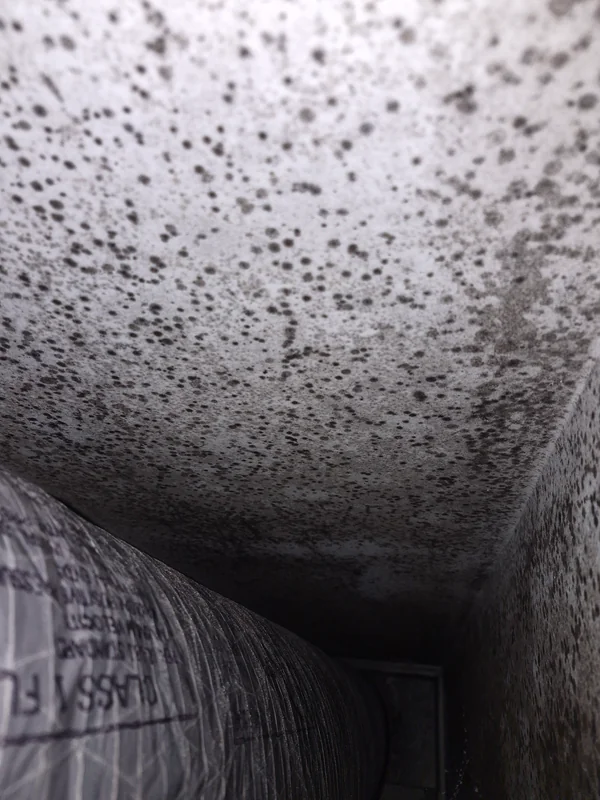
Most homeowners in Penns Park never think about their ductwork until something smells off when the heat kicks on or the allergies that were manageable last year suddenly aren’t anymore. By that point, the problem has usually been building for a while quietly, inside sections of your HVAC system that no one has looked at in years, maybe ever.
That’s a specific concern in Penns Park, where a significant portion of the housing stock predates modern HVAC by generations. When forced-air systems were retrofitted into 19th-century stone and timber-frame construction, the ductwork went wherever it could fit through irregular spaces, tight corners, and sections that see condensation every time the seasons shift. Those are exactly the conditions where mold establishes itself and spreads without any visible sign at the register.
The Neshaminy Creek runs through Wrightstown Township and has reached flood stage multiple times in recent years during Hurricane Ida in 2021, again in December 2023, and again in March 2024. Each event pushes moisture into basements and crawl spaces. Your return air system draws from those same spaces. If that moisture ever made it into your ductwork and no one checked, you could be circulating what grew there into every room of your home every single day. Getting your ducts properly inspected and cleaned isn’t routine maintenance at that point it’s the step that closes the loop on a moisture problem you thought you already handled.
We’ve been serving Bucks County for over 15 years, based in Bensalem and covering the full county including Wrightstown Township and the Penns Park area, accessible straight up Second Street Pike. This isn’t a national franchise routing calls through a dispatch center. It’s an owner-operated business where the person who answers the phone is connected to the person doing the work, and where customers regularly get same-day or next-day responses because that’s just how we run.
The difference between us and a standard duct cleaning company comes down to what we actually know. We bring certified mold remediation expertise to every air duct job which means we’re not just running a vacuum through your system and calling it done. We’re looking for biological contamination, identifying where it came from, containing it properly, and verifying it’s gone through post-cleaning testing. For homeowners in Penns Park, with its age of housing stock and proximity to the Neshaminy Creek flood corridor, that level of expertise isn’t a nice-to-have. It’s the whole point.
It starts with a free inspection. Before any work begins, we take a real look at your system not a quick glance at the registers, but an actual assessment of what’s inside the ductwork. In older Penns Park homes where HVAC was retrofitted into structures built for gravity heat or wood stoves, that inspection often turns up conditions a standard duct cleaner wouldn’t know to look for: irregular duct runs that trap moisture, sections hidden behind original timber framing, or return air pathways that draw directly from a basement that’s seen water intrusion. You’ll know what’s there before anyone starts working, and you’ll get upfront pricing before anything is agreed to.
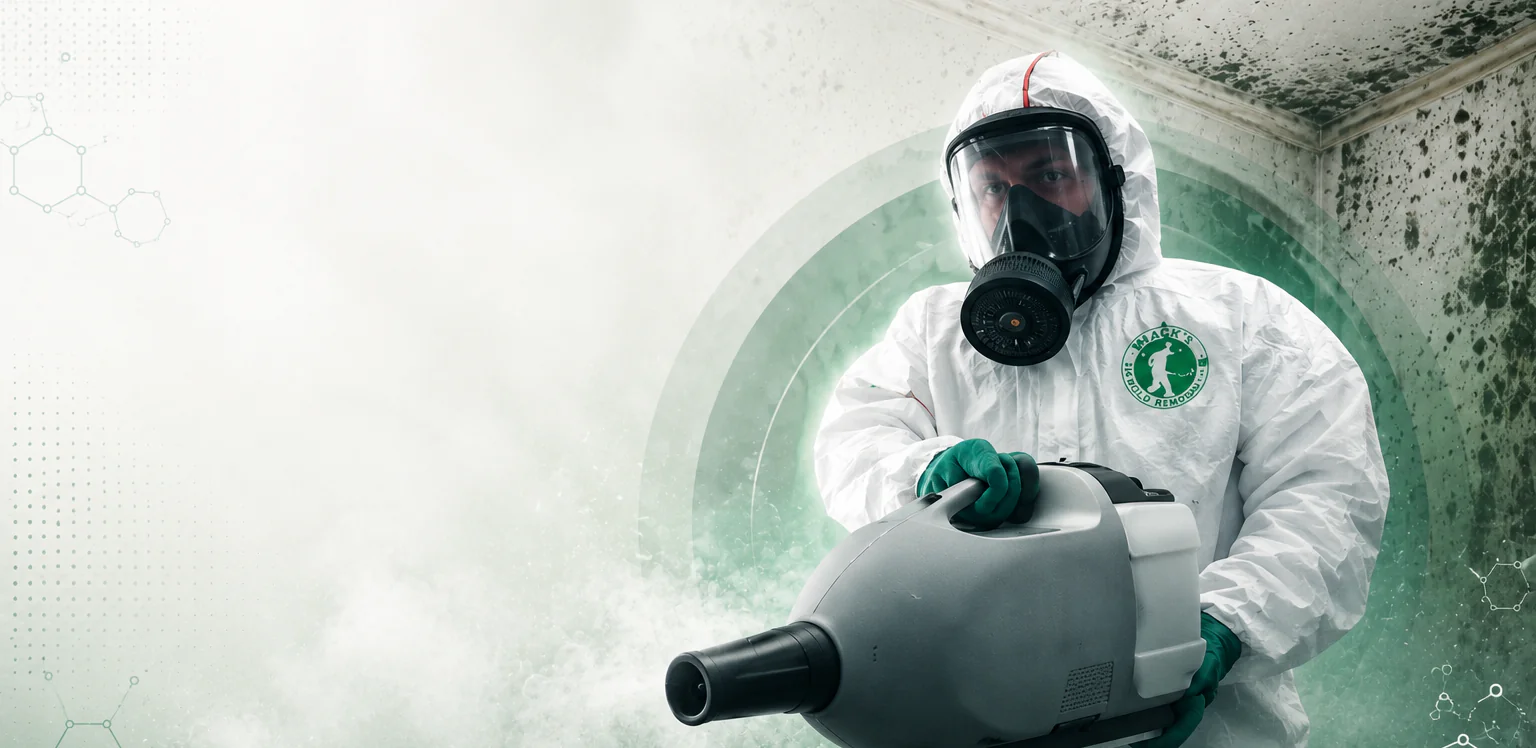
From there, the cleaning process uses professional-grade negative air pressure equipment and HEPA vacuums not the kind of setup you can rent or replicate with a DIY approach. If mold is present, proper containment protocols go up first to prevent spores from spreading to other parts of the home during the cleaning. This step matters especially in older homes where ductwork runs through multiple floors and living spaces. Disturbing mold without containment can make the problem significantly worse.
Once the cleaning is complete, we don’t just pack up and leave. Affected areas are tested after the job to confirm the mold is actually gone not assumed gone. You get documentation. That post-remediation verification step is what separates a real result from a promise, and it’s something most competitors in this market don’t offer at all.
Ready to get started?
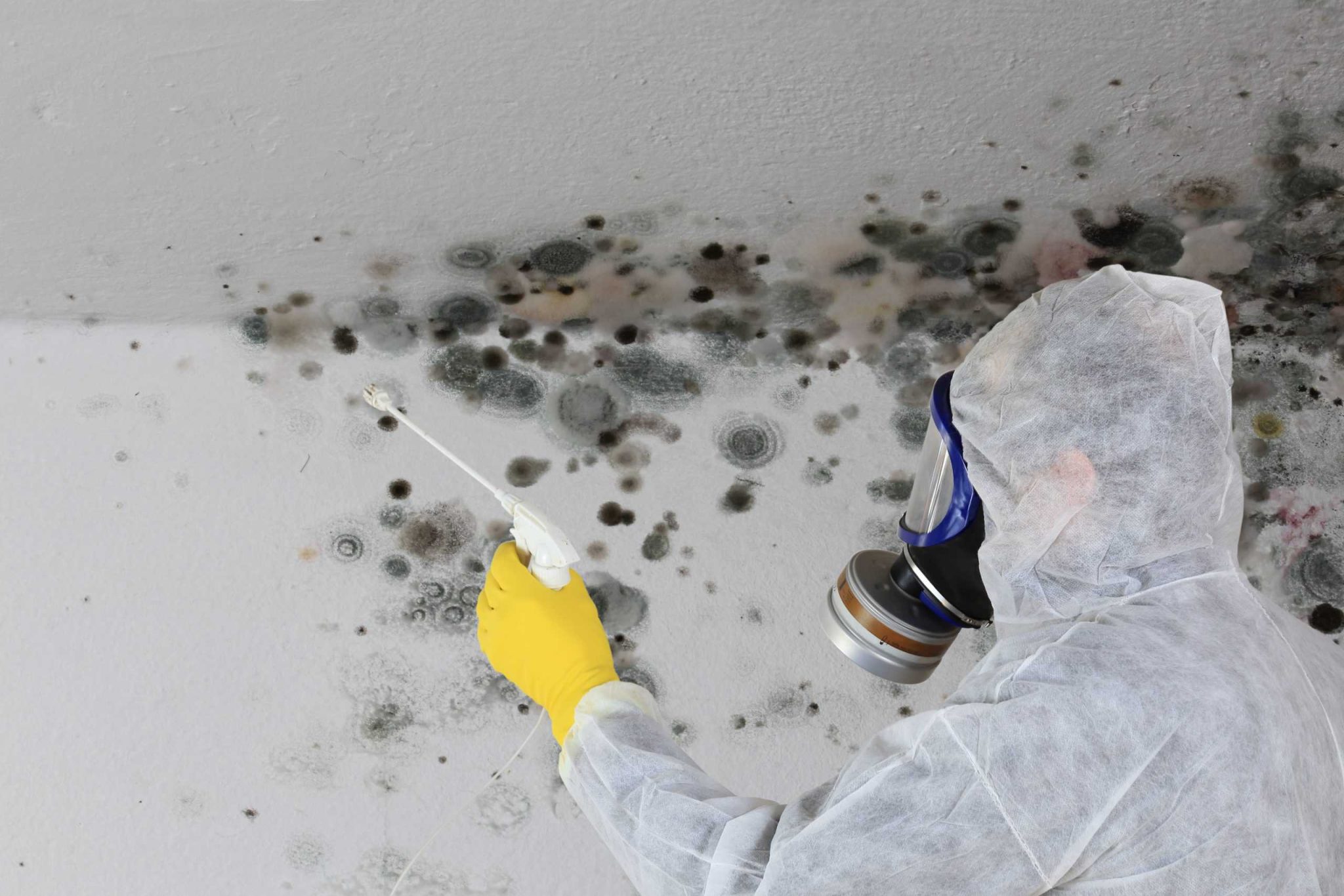
Air duct cleaning is the core of what we do in Penns Park, but the scope of what’s included goes beyond mechanical cleaning alone. After the physical debris and contamination are removed from your ductwork, air duct sanitizing applies antimicrobial treatment to the interior surfaces of the system killing biological residue that a vacuum alone won’t reach. For homes in the Neshaminy Creek corridor that have dealt with recurring moisture events, this step is often what prevents the problem from coming back within a season or two.
Dryer vent cleaning is also part of our service offering, and it’s worth taking seriously in a community where a lot of homes have non-standard laundry setups. Older Penns Park properties often have laundry rooms in basements, converted back additions, or other locations where the dryer vent run is longer and more irregular than what you’d find in a newer suburban build. The NFPA reports more than 15,000 home structure fires involving dryers each year, with failure to clean the vent as the leading cause. A longer, winding vent path accumulates lint faster and creates more risk and most homeowners have no way to know how restricted their vent has become without a professional inspection.
We also work directly with insurance companies on claims, which is relevant for Penns Park homeowners who’ve dealt with flood-related water damage and are navigating what their policy covers. Flexible financing is available for situations where the work needs to happen before the budget is ready for it. And if you’re not sure whether you have a problem worth addressing, the inspection is free no obligation, no pressure, just a straight answer about what’s in your system.
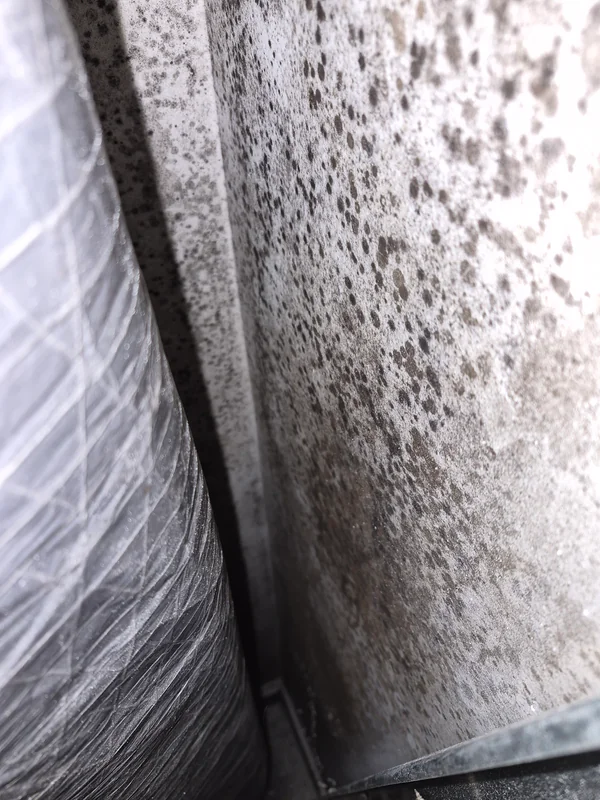
The most common sign is a musty or stale smell that appears specifically when your HVAC system turns on not a general odor in the home, but one that comes and goes with the airflow. You might also notice that allergy or respiratory symptoms are worse indoors than outside, or that they’ve been gradually getting worse over time without an obvious explanation. Visible discoloration around registers or vents is another indicator, though by the time you can see something at the vent opening, the contamination inside the system is often already significant.
In Penns Park specifically, there are a few local factors that elevate the likelihood of duct contamination compared to newer suburban communities. The area’s older housing stock much of it built in the 19th century and retrofitted with HVAC systems later creates duct configurations where moisture accumulates in ways that purpose-built modern systems don’t. Add in the documented history of Neshaminy Creek flooding, and homes that have experienced any basement water intrusion have a meaningful pathway for moisture to enter the return air system and migrate into the ductwork. If your home has seen any flooding or basement moisture in the last few years and you haven’t had your ducts inspected since, that’s a straightforward reason to have someone take a look.
It depends on why you’re considering it. The EPA’s position on routine air duct cleaning in the absence of a specific problem is that the evidence for meaningful air quality improvement is unclear. That’s a fair and honest assessment. But the EPA also explicitly recommends cleaning when mold has been confirmed inside the ductwork, when there’s evidence of pest or rodent infestation in the system, or when significant debris is restricting airflow. Those aren’t edge cases they’re the exact scenarios that bring most Bucks County homeowners to this decision.
Where it gets oversold is when a company leads with vague claims about dust and allergens and sells cleaning as a universal health upgrade. Where it’s genuinely worth every dollar is when there’s a documented or suspected biological problem in the system mold, moisture contamination, post-flood infiltration and the cleaning is performed by someone with actual mold remediation training, not just a duct cleaning technician with a truck-mounted vacuum. For a homeowner in a historic Penns Park property that’s dealt with any moisture issues, the question usually isn’t whether to clean the ducts it’s whether the person doing it knows what they’re looking for.
Yes, and this is one of the more significant risks of leaving duct contamination unaddressed. Your HVAC system moves air through every room of your home every time it runs. If mold has established itself in one section of the ductwork, the airflow distributes spores throughout the entire system supply and return on a continuous cycle. A mold problem that started in one area of the house can effectively become a whole-home problem through the HVAC system alone, even if the original source has already been remediated.
This is particularly relevant for Penns Park homes where mold remediation may have been done on a basement, crawl space, or wall section without anyone checking the ductwork at the same time. It’s a common gap general contractors and even some mold remediators address the visible problem and move on, without accounting for what the HVAC system may have already pulled in and redistributed. If you’ve had any mold work done in your home and the ducts weren’t part of that scope, it’s worth having them inspected. Recontamination through an untreated HVAC system is one of the more frustrating outcomes homeowners experience after paying for remediation work.
They’re two separate steps that address different parts of the same problem. Air duct cleaning is the mechanical process using negative air pressure equipment and HEPA vacuums to physically remove debris, dust, and biological material from inside the ductwork. It clears out what’s there. Air duct sanitizing is what comes after: applying an antimicrobial treatment to the interior surfaces of the system to eliminate residual biological contamination that the cleaning process alone doesn’t fully address. Think of it as cleaning the system and then treating it.
Whether you need both depends on what’s in your system. For a home that simply hasn’t had its ducts cleaned in several years and shows no signs of mold, cleaning alone may be sufficient. But for a Penns Park home with a history of moisture intrusion especially one near the Neshaminy Creek corridor that’s dealt with basement flooding sanitizing after cleaning is the step that actually prevents regrowth. Mold doesn’t need much to come back if the conditions are right and the surface wasn’t treated. If you’re going through the process because of a suspected or confirmed mold issue, skipping sanitizing is a bit like cleaning a wound without disinfecting it.
The general industry guidance is every three to five years for a typical home, but that baseline assumes a home without significant moisture exposure, no history of mold, and a duct system that was installed properly in purpose-built construction. Older homes in Bucks County and Penns Park in particular often don’t fit that profile. When HVAC was retrofitted into 19th-century construction, duct runs were threaded through spaces that weren’t designed for them, creating configurations that accumulate moisture and debris faster than standard residential systems.
For homes in Wrightstown Township that have experienced any flooding, basement water intrusion, or visible mold elsewhere in the structure, waiting three to five years between cleanings isn’t the right frame. In those situations, the ducts should be inspected after any significant moisture event, not on a fixed calendar schedule. Beyond that, if you’ve recently purchased an older home in the Penns Park area and have no documentation of when the ducts were last cleaned or inspected, that’s reason enough to have it done now you simply don’t know what the previous owners left behind, and in a home with this kind of age and history, the answer is often more than expected.
Yes, we handle dryer vent cleaning throughout Bucks County, including the Penns Park and Wrightstown Township area. And in older homes like the ones that define this community, it matters more than most homeowners realize. The National Fire Protection Association reports more than 15,000 home structural fires involving dryers each year, with failure to clean the vent as the leading cause. That’s the primary cause of dryer fires, and it’s entirely preventable.
What makes it a more pressing concern in Penns Park specifically is the nature of the housing stock. Newer suburban homes are typically built with dryer vents that run a short, direct path to an exterior wall. Older homes especially those with laundry in basements, converted back additions, or non-standard floor plans often have longer, more irregular vent runs that were added or modified over decades. Lint accumulates faster in longer runs, and bends or offsets in the vent path create spots where buildup concentrates. Most homeowners have no way to gauge how restricted their vent has become without someone actually running an inspection. If your home is more than a few decades old and you can’t remember the last time the dryer vent was professionally cleaned, that’s worth addressing not as optional maintenance, but as a real fire safety issue.
Other Services we provide in Penns Park