
Hear from Our Customers
Most people in Passer don’t think about their ductwork until something feels off a musty smell when the heat kicks on, allergy symptoms that won’t quit indoors, or a general sense that the air just doesn’t feel right. By the time you notice those signs, the problem inside your HVAC system has usually been developing for a while.
Springfield Township sits in the Cooks Creek watershed, and Bucks County gets around 49 inches of rain every year well above the national average. That persistent moisture works its way into basements and crawl spaces, and from there, it finds its way into your ductwork. In older homes like the stone farmhouses and aging frame construction that define Passer and Upper Bucks County, that process happens faster and goes further than most homeowners realize.
Getting your air ducts professionally cleaned means every room in your home stops receiving whatever has been accumulating in those ducts for years. It means your HVAC system isn’t redistributing mold spores every time it cycles. For families with kids, older adults, or anyone dealing with respiratory issues, it means the air you’re breathing every day is actually what it should be.
We’ve been working in Bucks County for over 15 years, with deep roots in the Quakertown area and throughout Springfield Township. When you call Mack’s Mold Removal & Inspections, you’re reaching a real person who knows Passer and this region, not a national call center routing your request to whoever’s available.
What sets us apart from a general duct cleaning company is the mold expertise behind our work. Certified inspectors handle every job. Mold samples go to a lab for analysis. After the work is done, affected areas are tested again to confirm the mold is actually gone not just cleaned around. That post-verification step is something most competitors skip entirely.
We work directly with insurance companies when mold-related claims are involved, and we offer flexible financing for homeowners who need it. Our goal is straightforward: figure out what’s actually in your ducts, remove it properly, and prove it’s gone.

It starts with a free inspection. A certified specialist comes out, takes a real look at your HVAC system, and tells you honestly what’s there. In homes around Passer especially the older stone and frame construction common throughout Springfield Township that inspection often turns up moisture-related buildup in sections of ductwork that haven’t been touched in years, sometimes decades. You’ll know exactly what was found and what the recommended path forward looks like before any work begins.
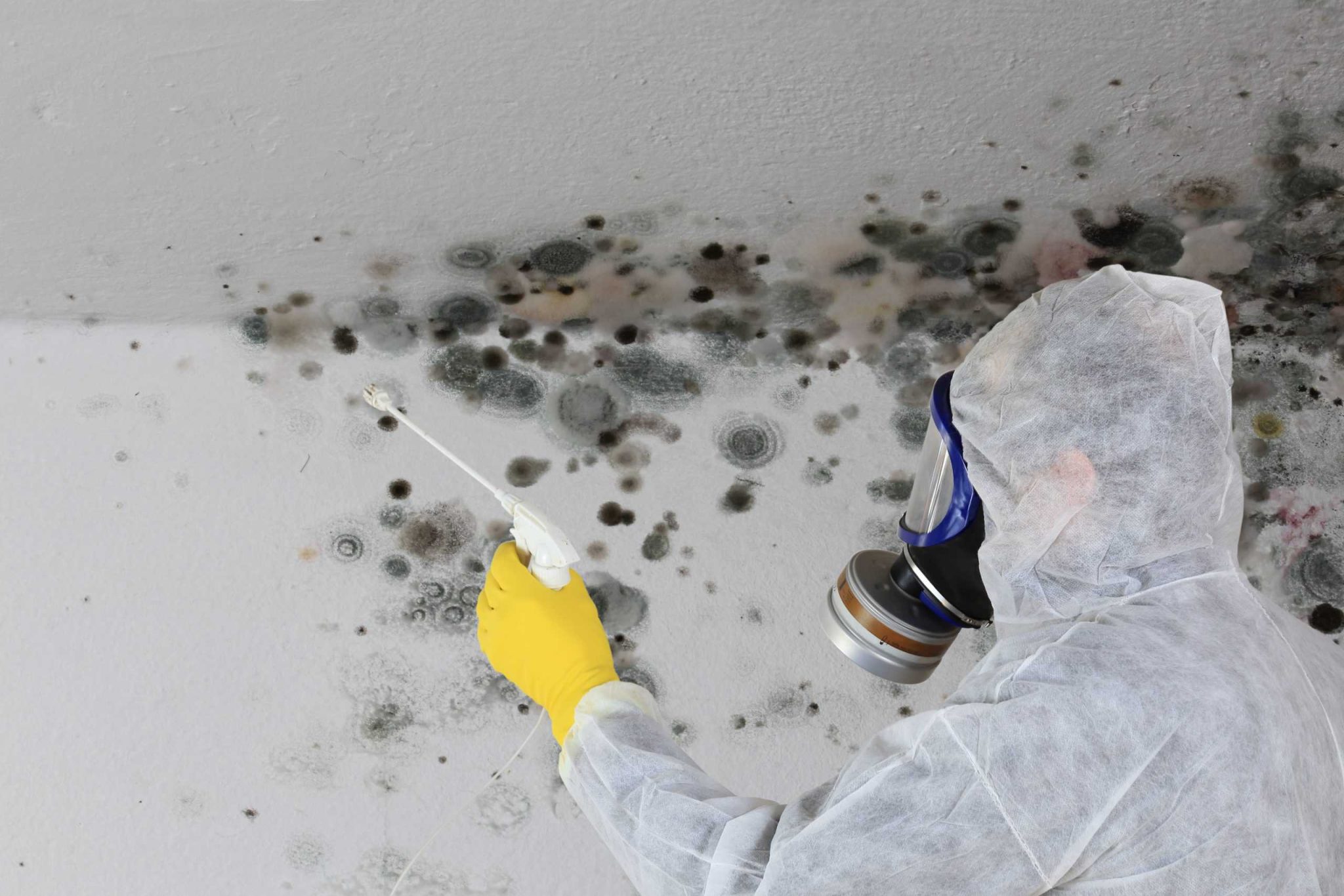
If remediation is needed, the process is methodical. We set up containment protocols first to prevent any dislodged mold spores from spreading to the rest of your home a step that general duct cleaners often skip but that makes a significant difference when biological growth is involved. The system is then cleaned using professional-grade equipment: negative air pressure systems and HEPA vacuums that pull debris out rather than pushing it around. Supply ducts, return ducts, and any connected components are all addressed.
After the cleaning is complete, we test the affected areas to verify the results. You get documentation, not just a handshake. For homeowners in Passer dealing with the ambient moisture that comes with rural Upper Bucks County living, that confirmation matters because the conditions that caused the problem don’t go away on their own.
Ready to get started?
Air duct cleaning addresses the physical buildup inside your ductwork dust, debris, mold, and anything else that’s accumulated over time. But in homes where mold is confirmed or suspected, cleaning alone isn’t always enough. Air duct sanitizing applies an antimicrobial treatment to the interior surfaces of your duct system after the mechanical cleaning is done, targeting biological contaminants that physical removal can miss. These are two distinct steps, and both matter when you’re dealing with a moisture-heavy environment like the one that comes with older homes in the Cooks Creek watershed area.
Dryer vent cleaning is a separate service we also handle, and it’s worth taking seriously. The National Fire Protection Association reports nearly 16,000 dryer-related house fires every year, with failure to clean dryer vents identified as the leading cause. In older homes throughout Passer and Springfield Township, dryer vent runs are often longer, more constricted, or routed through aging ductwork that accumulates lint faster than modern installations. It’s a fire safety issue, not a maintenance preference.
All services begin with a free inspection and upfront pricing. There are no packages with hidden add-ons and no quotes that change once the work starts. We offer financing for homeowners who need flexibility, and we work directly with insurance companies when a mold-related claim is part of the picture.

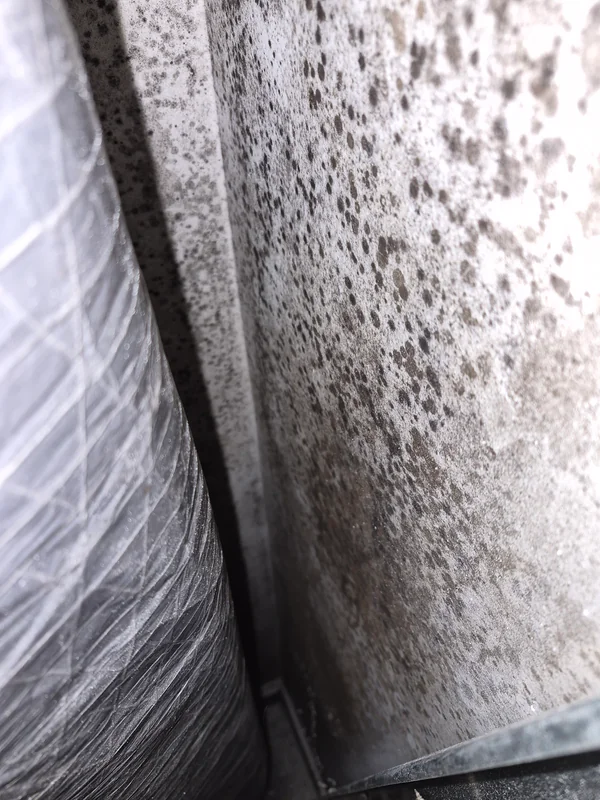
The most common sign is a musty or stale smell that appears specifically when your HVAC system turns on not a general odor in the home, but one that shows up with the airflow. You might also notice that allergy or respiratory symptoms seem worse indoors than outside, or that they improve when you spend time away from home. Visible discoloration around vent registers is another indicator, though by the time you can see it at the register, the growth inside the duct system is often more significant than what’s visible.
In Passer and Springfield Township, the combination of older housing stock and the persistent ground moisture that comes with living in the Cooks Creek watershed creates conditions where mold in HVAC systems is a genuine risk not a theoretical one. The best way to know for certain is a professional inspection. We offer free inspections, so there’s no cost to find out what’s actually in your system before deciding on next steps.
It depends on what’s in your ducts. The EPA’s position is nuanced routine cleaning in the absence of a specific problem has unclear benefits, and that’s a fair point. But the EPA also explicitly recommends cleaning when mold is confirmed in the ductwork, when there’s evidence of pest or rodent infestation, or when substantial debris is clogging the system. Those aren’t rare edge cases; they’re common findings in older homes that haven’t had duct work addressed in years.
For homeowners in Passer where the housing stock skews older and moisture conditions are consistently above average the question isn’t really whether cleaning is worth it in theory. It’s whether your specific system has a problem that warrants it. That’s exactly what a free inspection determines. If the inspection shows your ducts are in reasonable shape, we’ll tell you that. If it shows a real problem, you’ll have the information you need to make a decision.
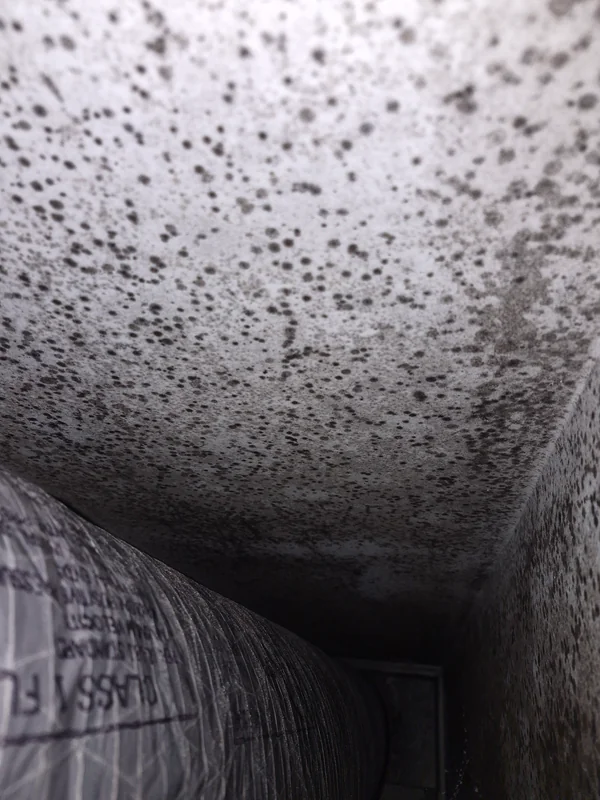
Yes and this is one of the more important things to understand about HVAC systems. When mold establishes itself inside ductwork, every heating and cooling cycle moves air through those contaminated sections and distributes spores to every room the system serves. A mold problem that starts in a basement or crawl space common in the older stone and masonry construction throughout Springfield Township can migrate into the HVAC system and then effectively become a whole-home issue every time the furnace or air conditioning runs.
This is why mold remediation and air duct cleaning are closely connected services. Treating visible mold on walls or in a basement without also addressing the ductwork leaves the distribution system intact. We approach both sides of that problem the source and the system that’s spreading it rather than treating them as unrelated jobs.
For most homes, a thorough professional air duct cleaning takes somewhere between four and six hours. That timeframe accounts for inspecting the system, setting up proper containment, cleaning both supply and return ducts, and addressing connected components. Homes with larger square footage, more complex duct layouts, or significant buildup may take longer.
In older homes around Passer particularly the stone farmhouses and historic properties that are common throughout this part of Springfield Township duct systems sometimes have more irregular layouts or older configurations that require additional attention. That’s not a reason to rush the job. A proper cleaning means accessing the full system, not just the sections that are easy to reach. If a company quotes you a job that sounds like it’ll be done in an hour, that’s a red flag worth paying attention to.
Air duct cleaning is the mechanical process using professional equipment to physically remove dust, debris, and biological buildup from inside your duct system. Air duct sanitizing is a separate step that applies an antimicrobial treatment to the interior surfaces of the ducts after the physical cleaning is complete. The two are not interchangeable, and cleaning alone doesn’t kill biological contaminants the way sanitizing does.
Whether you need both depends on what’s found during the inspection. If your ducts have mold growth or significant biological contamination, sanitizing after cleaning is the more complete approach. For homes in Passer and the surrounding Upper Bucks County area where ambient humidity from the Cooks Creek watershed and above-average annual rainfall create favorable conditions for biological growth sanitizing is often a sensible follow-up to cleaning rather than an optional upgrade. We’ll give you a straight answer on what your system actually needs after the inspection, not a blanket upsell.
If you live in an older home in Springfield Township and haven’t had your dryer vent professionally cleaned recently, it’s worth doing. The National Fire Protection Association reports close to 16,000 dryer-related house fires annually in the U.S., and failure to clean the dryer vent is the leading cause. Older homes in Passer and this area including the historic farmhouses and aging frame construction that are characteristic of the region often have dryer vent runs that are longer or more constricted than what you’d find in newer construction, and they tend to accumulate lint faster as a result.
Beyond fire risk, a clogged dryer vent forces your dryer to work harder, extends drying times, and shortens the life of the appliance. Most manufacturers recommend annual dryer vent cleaning, and homes with longer or more complex vent runs may benefit from cleaning more frequently. If your dryer is taking multiple cycles to dry a normal load, that’s often the first sign the vent needs attention. We handle dryer vent cleaning alongside air duct services, so both can be addressed in the same visit.
Other Services we provide in Passer