
Hear from Our Customers

When your HVAC system is running clean, you notice it immediately. The musty smell that hits you the first time you switch on the heat in October gone. The allergy symptoms that seem worse at home than anywhere else easier to breathe through once the source is dealt with. For a lot of Parkland homeowners, the fix wasn’t medication or a new filter. It was what was living inside the ductwork.
The Lehigh Valley’s summers push humidity well past 70% on a regular basis. Every time your central air runs during a heat wave, condensation forms inside the duct system. That moisture sits in the dark, and mold takes over quietly. By the time heating season starts, those same ducts are pushing contaminated air into every room in the house with every cycle.
Homes in Parkland’s established neighborhoods Dorneyville, Cetronia, and the areas along Cedar Crest Boulevard often have ductwork that’s decades old. The seams aren’t sealed the way newer systems are, which means humid basement air gets pulled in and the problem compounds year after year. Cleaning those ducts isn’t just maintenance. For a lot of these homes, it’s overdue by a generation.
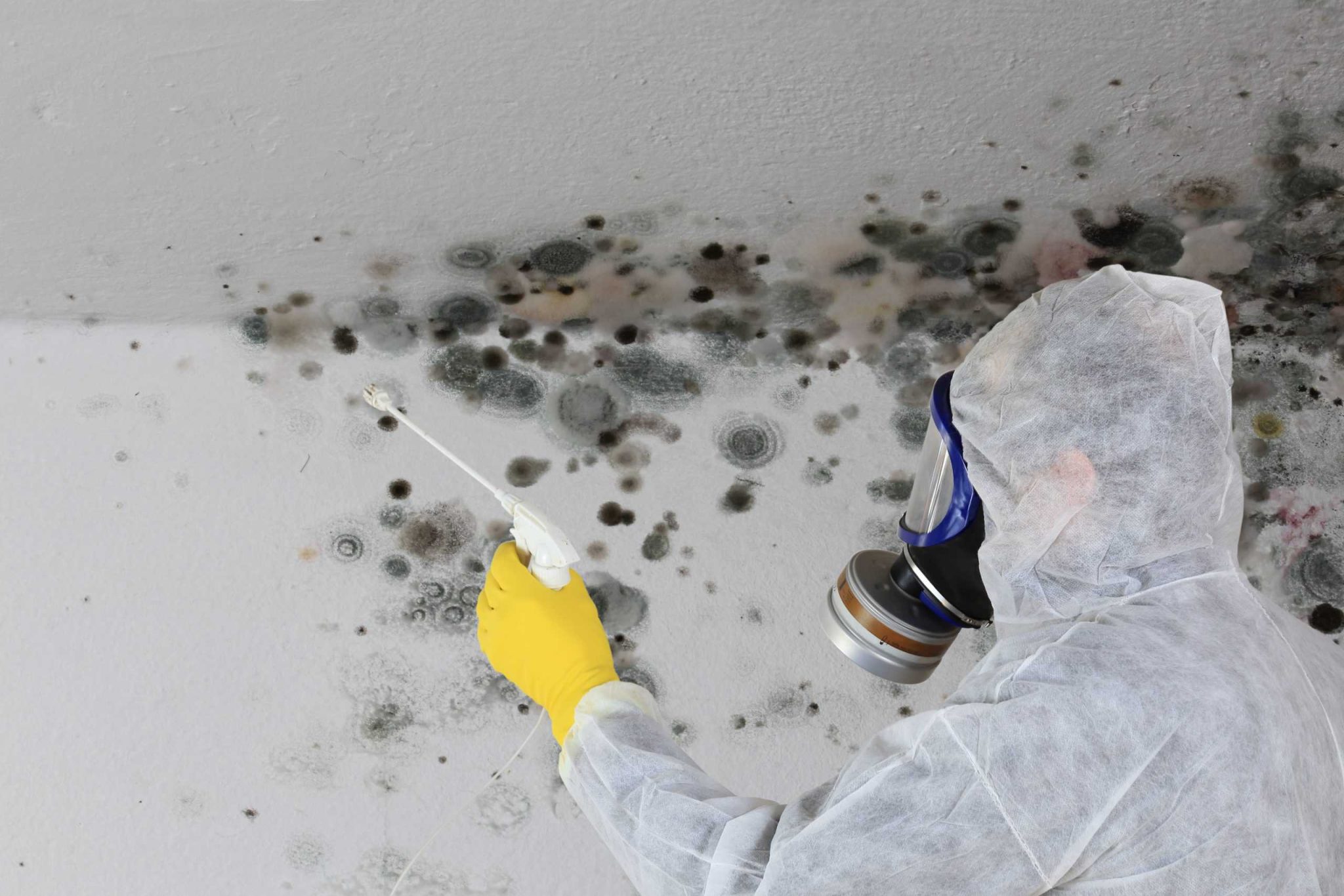
We’ve been doing this for over 15 years. Not as a side service mold inspection, mold remediation, and air duct cleaning are the core of what we do. That distinction matters, because when mold is involved in your ductwork, you need someone who knows how to contain it, not just vacuum around it.
When a technician from our team finishes a job, the work gets tested. Samples are sent to a lab to confirm the mold is actually gone not just disturbed and redistributed. That step is documented, and you get to see the results. It’s not common in this industry, but it should be.
We serve Parkland and the surrounding Lehigh County area, and we understand what the local housing stock actually looks like the mid-century split-levels in Dorneyville, the newer construction pushing into Upper Macungie, the older duct systems that have never been touched. Our team shows up with the right tools and gives you a straight answer about what’s there and what it will cost to fix it.
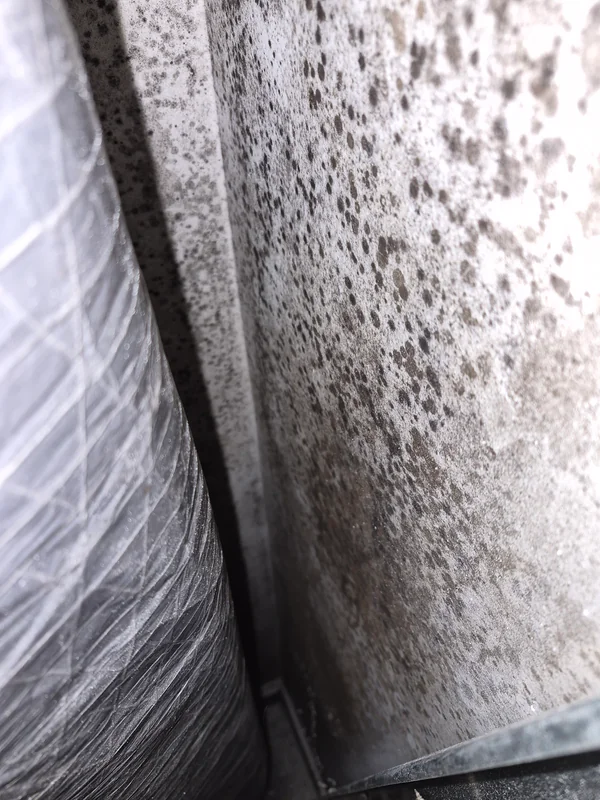
It starts with a free inspection. One of our certified inspectors comes to your home, looks at the actual condition of your ductwork, and tells you honestly what’s there. If there’s mold, we’ll identify where it is and how far it’s spread. If cleaning is warranted, you’ll get an upfront price before any work begins and that price doesn’t change once the job starts.
The cleaning itself uses professional-grade equipment that creates negative air pressure inside the duct system, pulling debris and biological material out rather than pushing it around. Both supply and return ducts are addressed not just the registers you can see from the floor. For Parkland homes where the ductwork runs through finished basements or older walls, the inspection phase also checks for gaps or seam separations that are allowing humid air in from outside the system. Those entry points are part of what makes Lehigh Valley homes particularly vulnerable to recurring mold growth.
When mold is present, we use containment protocols before anything is disturbed. This is where we’re different from a standard duct cleaning company the same remediation approach we use for structural mold applies here. After the cleaning is complete, post-remediation testing confirms the result. You’re not taking anyone’s word for it.

Ready to get started?
Air duct cleaning addresses the physical debris dust, biological material, mold colonies that accumulates inside the duct system. Air duct sanitizing goes a step further, applying antimicrobial treatment to the interior surfaces after mechanical cleaning is complete. When mold has been confirmed in the system, both steps are needed. Cleaning removes what’s there; sanitizing addresses what’s left at the surface level that you can’t see.
Dryer vent cleaning is also available and worth taking seriously, especially in Parkland’s older housing stock. Homes in Dorneyville and along Hamilton Boulevard were built in an era when dryer vents often ran longer distances through finished walls before exiting the home. Over time, lint accumulates in those runs and creates a genuine fire risk the NFPA reports roughly 15,970 dryer-related house fires per year, and failure to clean the vent is the leading cause. If your dryer is taking longer than it used to or the exterior vent flap isn’t opening fully when the dryer runs, those are signs the vent needs attention.
For homeowners dealing with a mold situation that may be covered under their homeowner’s policy, we work directly with insurance companies on claims something most duct cleaning companies in the Lehigh Valley don’t offer. Financing is also available for larger jobs. The goal is to make sure cost doesn’t become the reason a problem gets ignored.
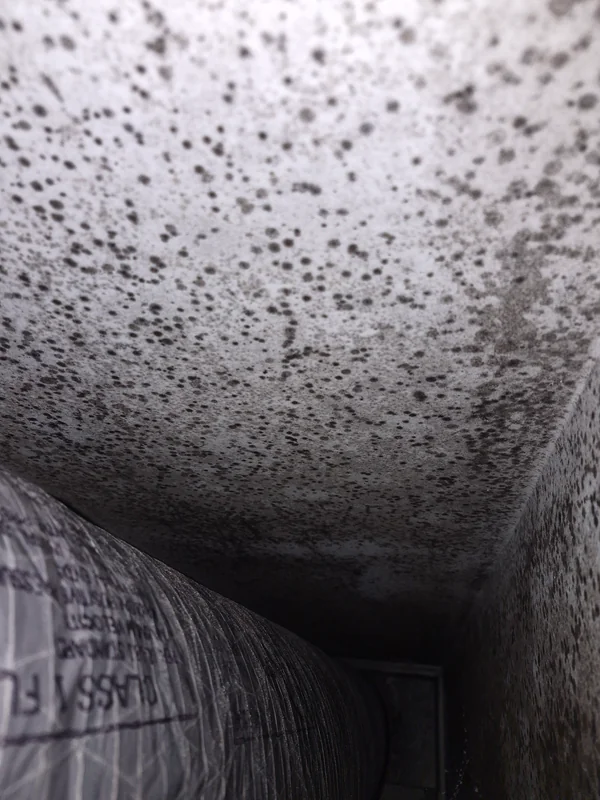
The most common sign is a musty smell that appears specifically when your HVAC system kicks on not all the time, just when the air is moving. That’s the duct system distributing whatever is growing inside it. Other signs include allergy or respiratory symptoms that seem worse at home than they are elsewhere, or visible discoloration around the vent registers where air exits into the room.
In Parkland and the Lehigh Valley, the seasonal pattern is a reliable indicator. If you notice the smell most strongly at the start of heating season when the system fires up for the first time after a humid summer that’s often a sign that mold established itself in the ductwork during the warm months and is now being pushed through the house. A free inspection from our certified mold specialists will tell you definitively what’s there, without guessing.
The clearest answer is that it depends on what’s in the ducts. The EPA’s position is nuanced routine cleaning in the absence of a specific problem has unclear benefits. But when mold is confirmed, or when there’s been a pest infestation, significant debris, or water intrusion into the duct system, cleaning is explicitly recommended.
For Parkland homeowners, the question is rarely abstract. The Lehigh Valley’s humidity levels create real, recurring conditions for mold growth inside HVAC systems. If you’ve had mold remediated elsewhere in your home a basement, a bathroom, a crawlspace and nobody checked the ductwork, there’s a reasonable chance the HVAC system is also affected. We can assess that directly and give you a factual answer rather than a sales pitch.
This is an important distinction. A general HVAC technician or standard duct cleaning company can vacuum debris from your ducts, but they’re typically not trained in mold containment protocols. When mold colonies are present inside ductwork and are disturbed without proper containment, spores get released into the air and can spread to other areas of the home making the situation worse than before the cleaning started.
We approach the job differently as certified mold remediation specialists. Containment is established before anything is disturbed. The cleaning process uses equipment designed to capture biological material rather than redistribute it. And when the job is done, post-remediation testing confirms the mold is actually gone. In Parkland, where Lehigh Valley humidity creates genuine year-round mold risk inside HVAC systems, that difference in approach is the difference between solving the problem and creating a new one.
Yes, and it’s one of the more common situations in Parkland. Homes built in the 1950s, 1960s, and 1970s which make up a significant portion of the housing stock in neighborhoods like Dorneyville, Hamilton Park, and Cetronia were constructed with sheet metal ductwork that develops seams and gaps over decades. Those gaps allow humid basement or crawlspace air to be pulled directly into the duct system, bypassing the filter entirely.
The result is that older Parkland homes often have ductwork that has been slowly accumulating biological material for years, sometimes without any professional cleaning in their entire history. The interior surfaces of these older ducts are also rougher than modern ductwork, which gives mold and dust more surface area to cling to. An inspection will identify whether the seams are compromised and whether the interior condition warrants cleaning, sanitizing, or both.
They address different things. Air duct cleaning is the mechanical process using professional equipment to physically remove debris, dust, and biological material from inside the duct system. Air duct sanitizing comes after that, applying an antimicrobial treatment to the interior surfaces to address any remaining biological contamination that mechanical cleaning alone can’t fully eliminate.
If your ducts have mold in them, you generally need both. Cleaning removes the visible growth and accumulated material; sanitizing treats the surface-level contamination that remains after cleaning. If your ducts are being cleaned as routine maintenance with no confirmed mold present, sanitizing may be optional depending on the inspection findings. Our certified inspectors can tell you which approach is appropriate based on what’s actually in the system not a blanket recommendation that’s the same for every home.
The risk is a house fire. The NFPA reports approximately 15,970 dryer-related home fires per year in the United States, and failure to clean the dryer vent is the leading cause not a defective appliance, not user error, but an obstructed vent. Lint is highly combustible, and when it accumulates in a vent run that hasn’t been cleaned, the heat from the dryer has nowhere to go except back into the lint.
In older Parkland homes particularly in Dorneyville and the established South Whitehall neighborhoods along US Route 222 dryer vents were often routed through longer runs inside finished walls before reaching an exterior exit point. Longer runs accumulate lint faster and are harder to clear with standard tools. Signs that the vent needs attention include a dryer that takes longer than one cycle to dry a normal load, excessive heat in the laundry room while the dryer runs, or an exterior vent flap that doesn’t open fully during operation. If you can’t remember the last time the vent was cleaned, that’s reason enough to have it inspected.
Other Services we provide in Parkland