

Hear from Our Customers
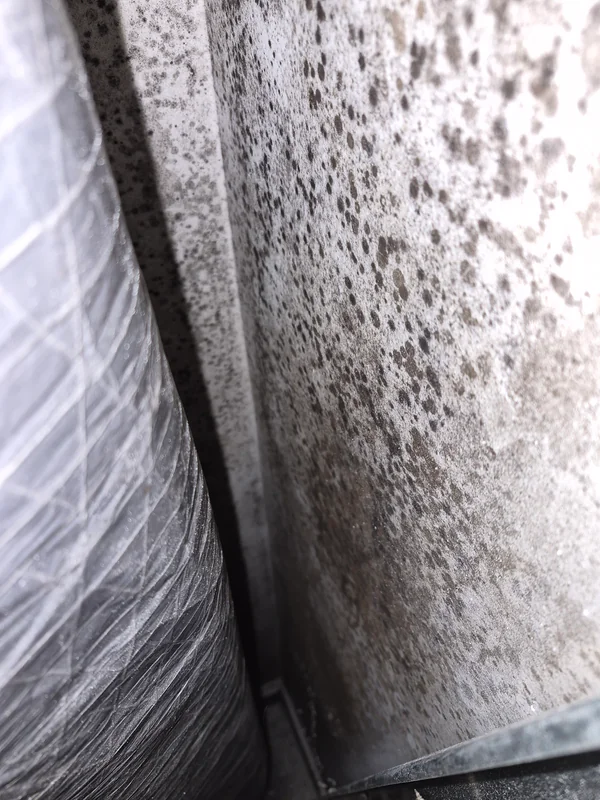
Most people in Old City notice the smell first. The AC kicks on, and there’s something musty faint enough to ignore, persistent enough that you can’t. That smell isn’t coming from the register you can see. It’s coming from somewhere inside the ductwork, in a section that runs through a masonry cavity or a converted warehouse ceiling that nobody has looked at in years. That’s exactly where mold grows, and that’s exactly where it stays until someone with the right equipment goes looking.
Old City’s position on the Delaware River waterfront isn’t just a selling point for the neighborhood it’s a real factor in what your HVAC system deals with every day. Philadelphia already sees around 49 inches of rain annually, well above the national average, and the ambient humidity along the waterfront compounds that. When your air conditioning system pulls in moisture-heavy air all summer and pushes it through ductwork that may have been installed during a mid-century renovation, the conditions for mold growth are already there. You just can’t see it happening.
Getting your air ducts professionally cleaned and inspected means you stop guessing. We find out what’s actually in the system, remove it properly with containment so it doesn’t spread, and provide post-cleaning verification that confirms the job was done not just promised. For anyone living in one of Old City’s converted lofts, historic rowhouses, or pre-war apartment buildings, that kind of documented result matters more than a quick clean and a handshake.
We’re based in Bensalem, PA about 15 minutes up I-95 from Old City. That’s not a coincidence. The same highway that runs along Old City’s eastern waterfront connects directly to where we operate, which means when you call, same-day or next-day service is a realistic answer, not a stretch.
What separates Mack’s Mold Removal from a general duct cleaning company is the certification behind our work. We bring over 15 years of mold remediation expertise to every air duct job certified inspectors, lab testing, and containment protocols that a standard HVAC cleaner simply doesn’t carry. In a neighborhood where buildings routinely date back to the 1800s and ductwork was retrofitted through spaces never designed for it, that depth of knowledge isn’t a bonus it’s the whole point.
We also work directly with insurance companies when claims are involved, offer free inspections with upfront pricing, and test affected areas after the job to confirm the mold is actually gone. You get documentation, not just a receipt.
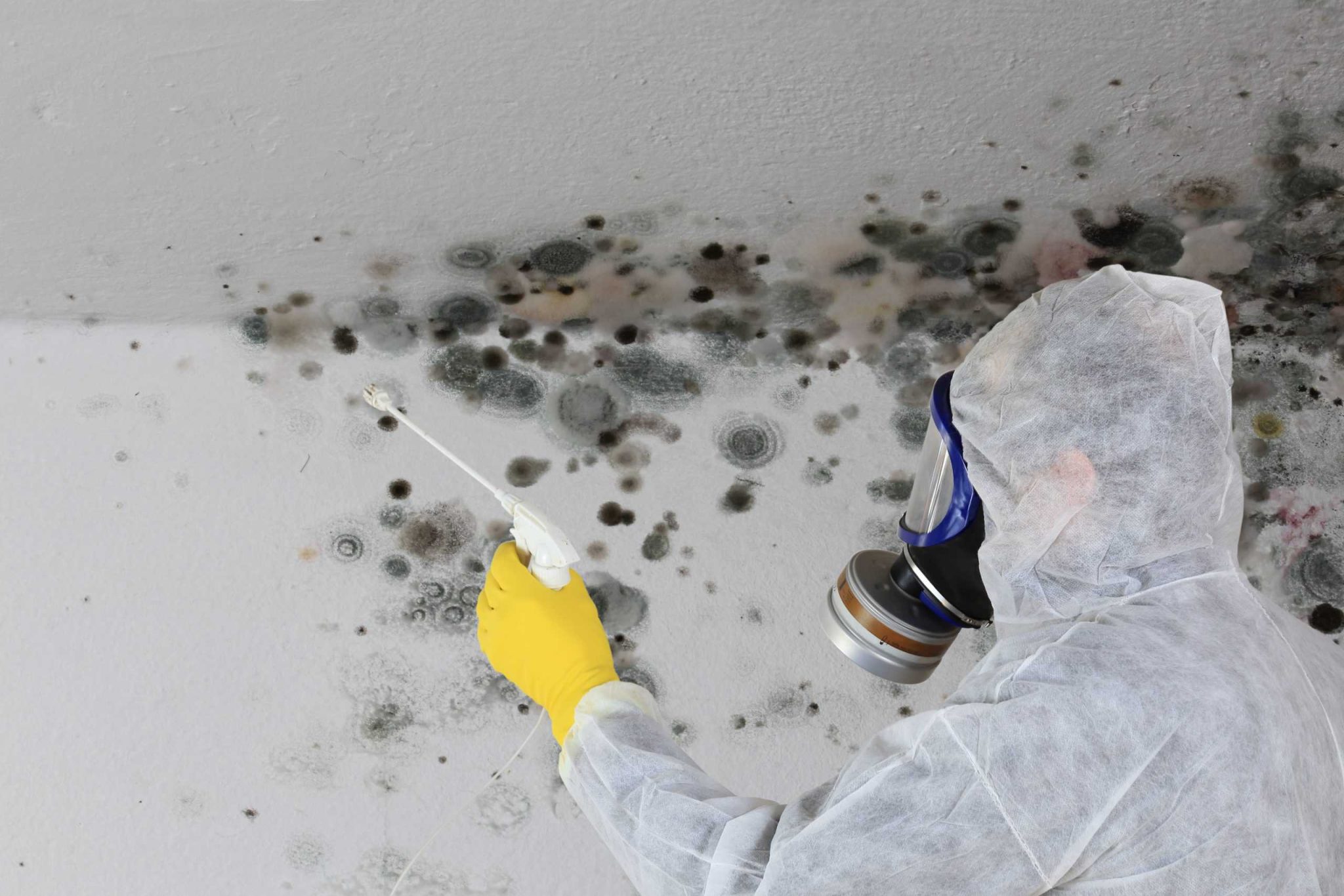
It starts with a free inspection. One of our certified technicians comes to your property whether that’s a 19th-century rowhouse off Elfreth’s Alley, a converted loft near Penn’s Landing, or a condo building along the I-676 corridor and does a real assessment of your HVAC system. This isn’t a sales visit. It’s a diagnostic. We find out what’s actually in your ductwork before any work begins, and give you upfront pricing based on what’s found, not a number that changes after the job starts.
Once the inspection is complete and you’ve decided to move forward, our cleaning process uses professional-grade equipment negative air pressure systems and HEPA vacuums to pull debris, dust, and biological growth out of the duct system without redistributing it through your living space. In Old City’s older buildings, where ductwork often runs through unconventional routes and tight masonry cavities, this containment step is critical. A general cleaner disturbing mold in those spaces without proper protocols can make the problem worse, not better.
After the cleaning is done, we test the affected areas to confirm the mold is gone. That’s lab-confirmed post-remediation verification a documented result you can hold onto. If you’re a property owner preparing a unit for a new tenant, or a renter who needs evidence to present to a landlord, that documentation is exactly what you need.
Ready to get started?
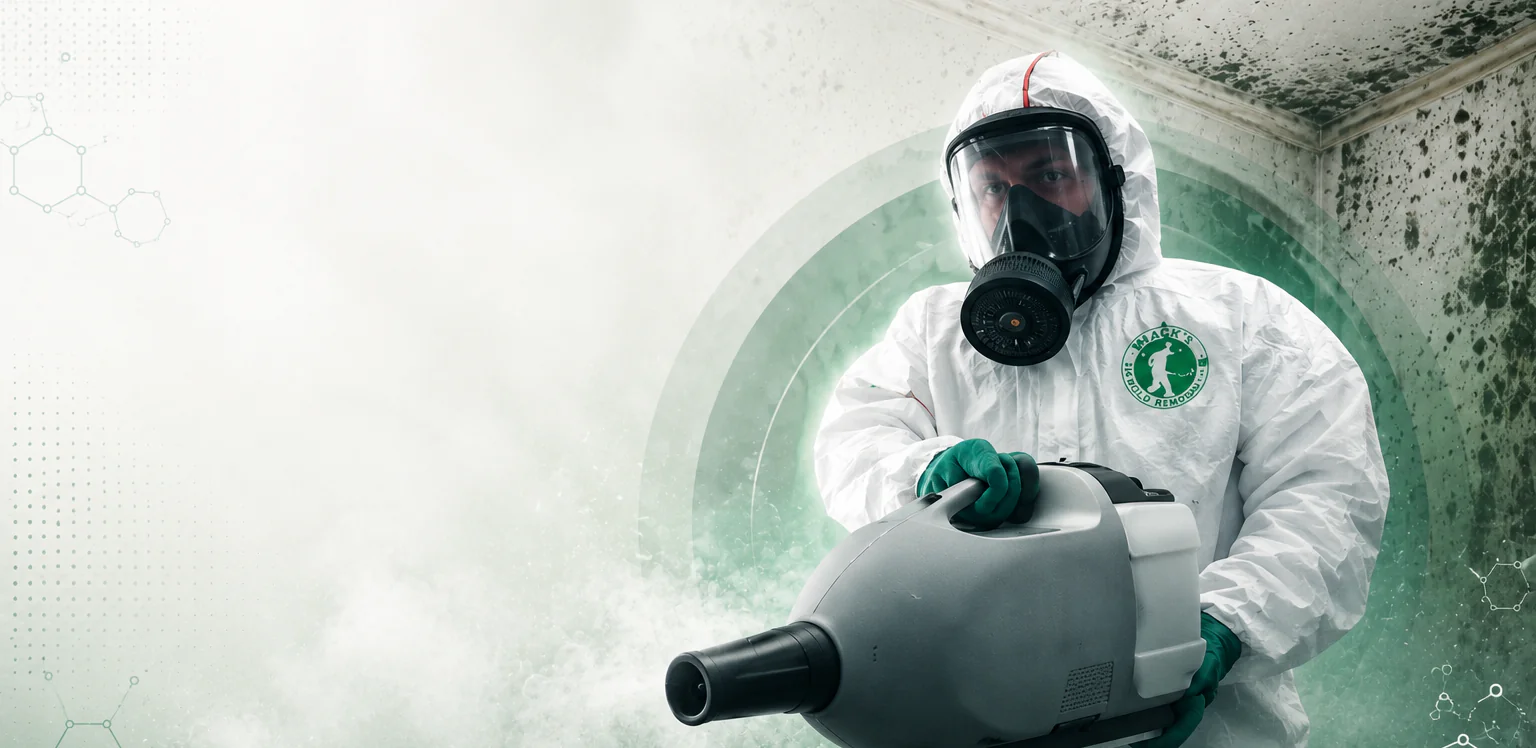
Air duct cleaning is the core of what we do in Old City, but it’s rarely the only thing a building needs. HVAC duct cleaning addresses the mechanical removal of debris, mold, and biological growth from your duct system. Air duct sanitizing goes a step further after the physical cleaning is complete, we apply an antimicrobial treatment to eliminate remaining biological contaminants that mechanical cleaning alone can’t fully address. In a building that’s been pulling in Delaware River humidity for decades, that second step matters.
Dryer vent cleaning is another service we provide that carries real urgency in Old City’s dense, multi-unit buildings. The NFPA reports more than 15,000 dryer-related house fires annually in the U.S., with failure to clean vents as the leading cause. In a converted warehouse or historic apartment building where dryer vents may run through long horizontal routes or shared masonry walls, lint accumulation builds faster and the risk is higher. This isn’t optional upkeep it’s fire safety.
For residents and property managers in Old City, we also handle mold inspection and testing as a standalone service. If you’re a renter who suspects a problem and needs documented findings to bring to your landlord, or a building owner who needs a certified inspection before a new lease begins, we provide the written evidence that moves things forward. No permits are required for air duct cleaning or dryer vent cleaning in Philadelphia the work can be scheduled and completed without any regulatory delay.
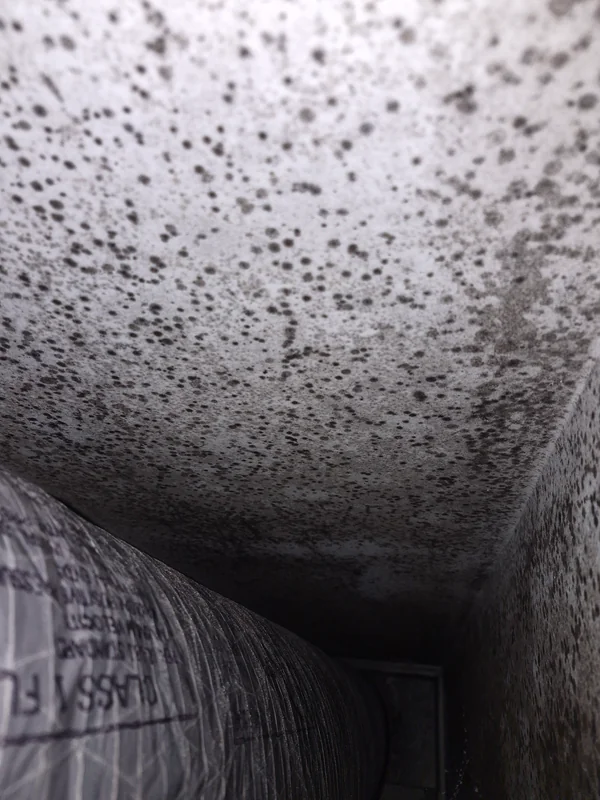
The most common sign is a musty smell that appears specifically when your HVAC system runs and disappears when it shuts off. That pattern smell tied to airflow is a strong indicator that something biological is growing inside the ductwork, not just on a surface you can clean. You might also notice worsening allergy or respiratory symptoms that improve when you’re out of the building, or visible discoloration around vent registers.
In Old City specifically, the combination of older building stock and Delaware River humidity creates conditions where mold in ductwork is genuinely more common than residents expect. Buildings that were converted from commercial or industrial use often have ductwork running through masonry cavities that were never designed for HVAC tight, dark, damp spaces where mold can establish itself and go undetected for years. The only reliable way to know what’s in your system is a professional inspection with the equipment to reach those hidden sections. Our free inspection gives you that answer without a financial commitment upfront.
Philadelphia landlords are legally required to maintain rental properties in a habitable condition, and mold that affects indoor air quality can fall under that standard depending on severity and documentation. The challenge for most renters is that they don’t have professional evidence just a smell they’ve been complaining about informally.
A Mack’s Mold Removal inspection produces documented findings: what was found, where it was found, and what the recommended remediation steps are. That documentation gives you something concrete to bring to your landlord or property manager, and it creates a paper trail that informal complaints don’t. Old City’s majority-renter housing market means this situation comes up regularly tenants in converted lofts and historic apartment buildings who are breathing air from a duct system they’ve never had visibility into. Getting a certified inspection is the first step toward getting the problem taken seriously.
This is a fair question, and the honest answer is: it depends on what’s in your ducts. The EPA’s position is nuanced routine cleaning of a dust-only system has unclear benefits for most homes. But the EPA explicitly recommends cleaning when mold is confirmed in the ductwork, when there’s evidence of pest infestation, or when substantial debris is blocking airflow. Those aren’t edge cases in Old City’s building stock they’re common findings in buildings that have been standing for 100 to 200 years with ductwork that’s never been professionally assessed.
When mold is the issue, cleaning matters enormously. Every time your HVAC system runs, it’s pulling air through contaminated sections and distributing whatever is growing there to every room in the unit. In a building where the ductwork runs through hidden masonry cavities, that distribution happens continuously and invisibly. Cleaning and sanitizing the system stops that cycle. The post-remediation testing we conduct after every job confirms whether it worked which is the only way to know for certain.
For most residential properties, a professional air duct cleaning takes between four and six hours. That’s the industry standard for a thorough job one that covers both supply and return ducts, uses negative air pressure equipment to extract debris without spreading it, and includes the inspection and documentation steps before and after.
In Old City’s older buildings, the process can run toward the longer end of that range. Buildings with unconventional duct routing through masonry walls, exposed ceiling systems, or the tight cavities common in converted warehouse and commercial structures require more time to access and clean properly than a standard suburban home with straightforward ductwork. If you’re in a multi-unit building and only having one unit serviced, the timeline stays within that four-to-six-hour window. We’ll give you a clear time estimate during the free inspection once we’ve assessed your specific system.
Air duct cleaning is the mechanical process using professional vacuums and negative air pressure systems to physically remove dust, debris, and biological growth from inside the duct system. Air duct sanitizing is what comes after: an antimicrobial treatment we apply to the interior surfaces of the ducts to kill any remaining biological contaminants that the physical cleaning couldn’t fully eliminate.
For most Old City residents dealing with mold-related concerns, both steps are worth doing together. Mechanical cleaning removes the bulk of the problem, but in a building that’s been accumulating moisture from Delaware River humidity and Philadelphia’s above-average rainfall for decades, biological contamination can persist on duct surfaces even after cleaning. The sanitizing step addresses what’s left. Think of it as cleaning the floor and then disinfecting it both steps serve a different purpose, and skipping the second one leaves the job half-finished when mold is involved.
Bensalem is about 15 to 20 minutes from Old City via I-95 South, which runs directly along Old City’s eastern waterfront boundary. That’s a straightforward drive with no complicated routing our technicians travel that corridor regularly to serve Philadelphia and the surrounding area. Same-day and next-day appointments are genuinely achievable, not just a line in the marketing.
We’re also available 24/7 for emergency situations. If you’ve discovered visible mold growth near a vent, or if a water intrusion event a burst pipe in a pre-war building, flooding from a heavy rain event along the waterfront has raised immediate concerns about your HVAC system, you don’t have to wait for a weekday appointment window. The response time that comes up repeatedly in our customer reviews calling on a Friday, having someone there the next day reflects how we actually operate, not just how we market ourselves.
Other Services we provide in Old City