Hear from Our Customers

Most homeowners in Newtown don’t think about their ductwork until something forces them to a musty smell when the heat kicks on in October, a kid with worsening allergies, or a mold remediation job somewhere else in the house that leaves them wondering whether the ducts were ever addressed. By the time any of those things happen, the problem has usually been building for a while.
The homes in Newtown Grant Eagle Pointe, Pheasant Walk, Heather Wood, Quail Creek, and the rest were built between 1986 and 1998. That ductwork has been running through Bucks County summers for nearly four decades. Heavy rainfall in this region is increasing in frequency and intensity, and the direct result includes mold and indoor air quality issues. When moisture works its way into the foundation perimeter of a home built on what used to be farmland, it finds the air handler. From there, it finds the ducts.
After a proper cleaning by a certified mold specialist, the difference isn’t just cleaner air it’s knowing what was actually in the system and having documented proof it’s gone. That matters when you’re protecting a home worth what Newtown homes are worth. It matters even more when your kids are sleeping in the rooms those ducts serve.
We’ve been working in Newtown since the late 1990s. The borough’s Victorian homes off State Street with their brick basements and retrofitted ductwork, the Newtown Grant subdivisions with aging HVAC infrastructure, the township’s moisture issues tied to stormwater runoff from converted farmland we’ve been inside all of it.
What separates us from the general duct cleaning companies serving this area is the certification behind our work. We’re mold remediation specialists first. When we clean ducts, we bring thermal imaging, moisture testing, and post-cleaning lab verification the same tools and protocols we use on full mold remediation jobs. No other local duct cleaner in Newtown does that. We also work directly with insurance companies when mold-related claims are involved, and we offer free inspections with upfront pricing before any work begins.

It starts with a free inspection. Before anything is quoted or scheduled, we look at the full system the air handler, the duct runs, the registers, the areas you can’t see from the outside. In Newtown Borough homes, that often means working around original plaster walls and narrow duct runs that were retrofitted into structures never designed for forced air. In the township’s Newtown Grant homes, it usually means inspecting ductwork that’s been in place for 30 or more years and has never been professionally cleaned. The inspection tells us what’s actually in the system, not just what’s visible at the register.
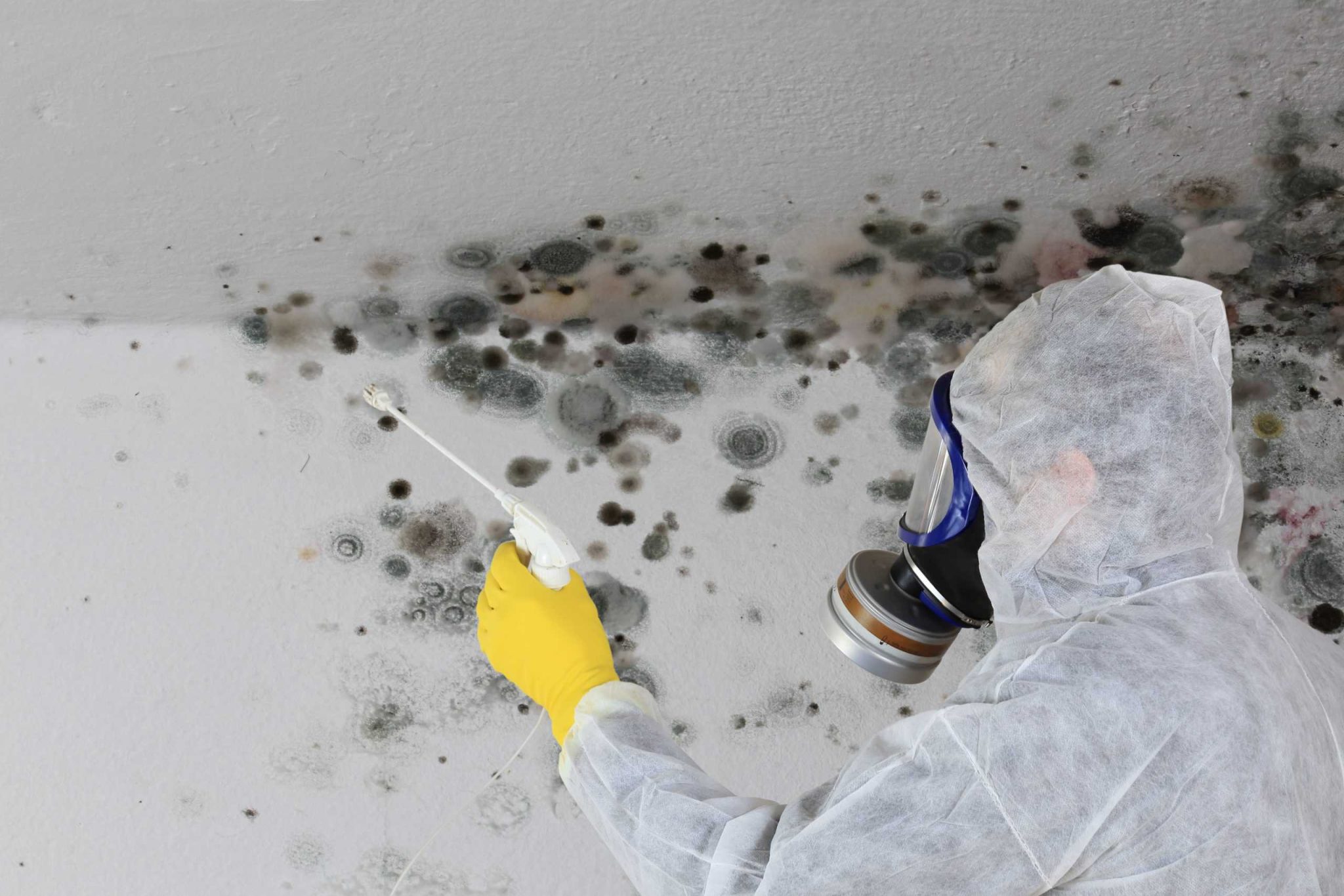
From there, we contain the work area and use HEPA filtration equipment to mechanically clean the full duct system both supply and return lines. If mold is present, we don’t just clean around it. Containment protocols go up, and the remediation process runs alongside the cleaning. Disturbing mold without proper containment spreads spores through the house that’s the risk you take with a general duct cleaner who isn’t trained in mold remediation.
After the cleaning, we test. Lab verification confirms that mold levels in the system are within safe limits before we consider the job done. You get documentation of the before and after something that protects your home’s value and gives you a real answer, not just a receipt.
Ready to get started?
Air duct cleaning and air duct sanitizing are not the same thing, and in Newtown’s climate, the difference matters. Mechanical cleaning removes the physical debris dust, lint, biological material that accumulates in ductwork over time. Sanitizing applies an antimicrobial treatment to the interior duct surfaces after cleaning, addressing the biological contamination that a vacuum alone can’t fully eliminate. If your home has had mold elsewhere in the basement, behind a wall, in the attic and the HVAC system was running during or after that event, sanitizing is the step that completes the job.
Dryer vent cleaning is also part of what we offer, and it’s worth taking seriously. The NFPA reports nearly 16,000 dryer-related house fires annually, with failure to clean the vent as the leading cause. In Newtown Grant’s townhome sections Eagle Trace, Whispering Wood, Ravens View, and others dryer vents often run through shared walls and longer duct paths to reach an exterior exit. Longer runs accumulate lint faster and are harder to clear without professional equipment.
Pennsylvania doesn’t require a state license for air duct cleaning companies, which means the barrier to entry is low and the quality range is wide. What you’re looking for is a company with verifiable credentials, a documented process, and a track record in your specific area not a franchise with a Newtown landing page and a call center.
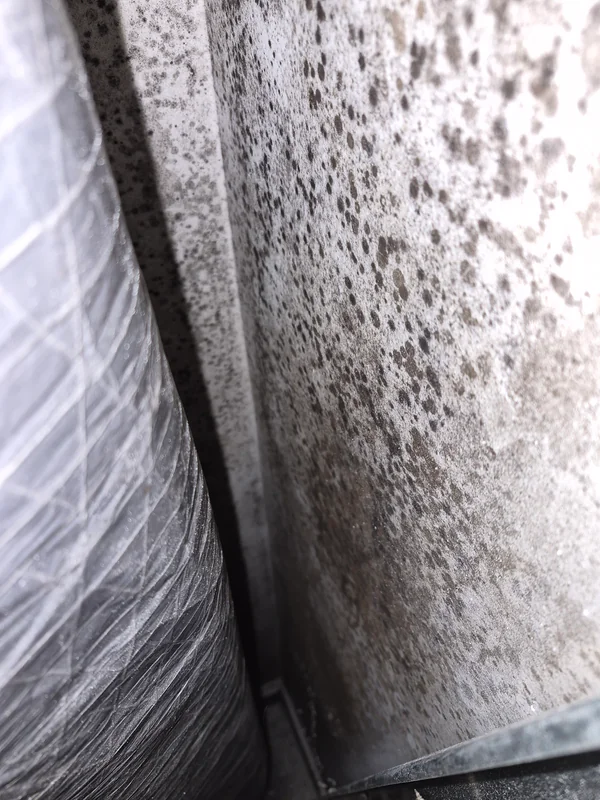
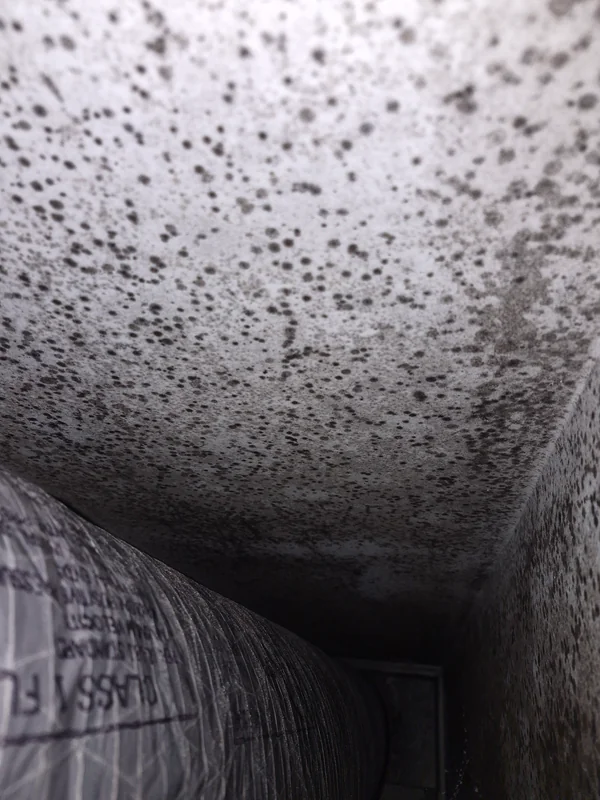
The most common sign is a musty smell that appears specifically when the HVAC system runs not a general basement smell, but one that comes through the vents and then fades when the system shuts off. That’s a strong indicator that mold is colonizing somewhere inside the duct system, not just near it. Other signs include visible discoloration around registers, worsening allergy or respiratory symptoms that seem tied to being indoors, or a history of water intrusion near the air handler.
In Newtown, the combination of Bucks County’s documented high humidity indoor levels reaching 75 to 80 percent during summer without active humidity control and the aging ductwork in Newtown Grant’s late 1980s and 1990s homes creates conditions where mold can establish itself in interior duct sections that no one has ever inspected. The only way to know for certain is a proper inspection with moisture testing and, where warranted, lab sampling. We offer free inspections in Newtown, so there’s no cost to finding out.
The skepticism is fair, and it’s earned. The industry has a documented bait-and-switch problem a company advertises an extremely low price, shows up, and then uses high-pressure tactics to upsell you into a job that costs several times what was quoted. The EPA has also been clear that routine duct cleaning, absent a specific problem, has unclear benefits. So if your ducts aren’t dirty and there’s no mold, pest activity, or renovation debris involved, the urgency to clean them is genuinely limited.
Where it becomes worth it clearly and specifically is when mold is confirmed or suspected in the system, when there’s been water intrusion near the air handler, when you’ve recently had mold remediated elsewhere in the home, or when the ductwork is decades old and has never been inspected. For a significant portion of Newtown Grant homeowners, that last condition alone applies. When you’re dealing with a real problem in the system, having a certified mold specialist clean and verify the ducts is not optional maintenance it’s the responsible next step.
Yes, and this is one of the most commonly skipped steps after a basement mold remediation job. If your HVAC system was running at any point during the mold event before you discovered it, during the remediation, or in the days after the air handler and ductwork may have pulled in mold spores and distributed them through the system. Once spores settle inside the ductwork, they have a dark, enclosed environment with periodic moisture from condensation cycling, which is exactly what they need to colonize.
In Newtown’s older borough homes with brick basements, and in the township’s homes where the air handler sits in a basement or crawl space that’s vulnerable to ground moisture, this is a realistic scenario after any significant mold event. The right approach is to inspect the full HVAC system after remediation not assume the ducts are fine because the visible mold was removed. We handle both sides of that job, and post-cleaning lab testing confirms whether the system is clear before the job is closed out.
For most homes, a thorough professional air duct cleaning takes between four and six hours. That’s for a complete job both supply and return ducts, not just the registers you can see. If you’re getting a quote for a job that’s supposed to be done in an hour or two, that’s a red flag. A real cleaning of a full duct system takes time, and cutting that short means sections of the system aren’t being addressed.
For Newtown Borough homes with older construction and ductwork routed through tight spaces in walls and attics that weren’t originally designed for forced air, the job can take longer depending on access. For larger Newtown Grant single-family homes some of which run 2,600 square feet or more expect to be at the higher end of that range. When mold is found and containment protocols are needed, additional time is required for that work as well. We’ll give you a realistic time estimate after the free inspection, before any work begins.
They’re two separate steps that address two separate problems. Cleaning is mechanical it removes the physical material that’s built up inside the ductwork: dust, debris, biological matter, and any visible mold growth. Sanitizing is chemical it applies an antimicrobial treatment to the interior duct surfaces after cleaning to address the microscopic contamination that mechanical cleaning alone doesn’t fully eliminate.
Whether you need both depends on what’s in your system. If the cleaning reveals mold growth or significant biological contamination which is more likely in ductwork that’s been cycling humid Bucks County summer air for 20 or 30 years sanitizing is the appropriate follow-up. If the system is clean and the issue is primarily dust and debris, sanitizing may not be necessary. We’ll tell you what the inspection finds and explain what’s actually warranted, without pushing services you don’t need. The free inspection is how that conversation starts.
Yes, dryer vent cleaning is part of what we offer, and the reason it matters goes beyond maintenance it’s a fire safety issue. The National Fire Protection Association reports close to 16,000 dryer-related house fires every year in the United States, and the leading cause is failure to clean the dryer vent. Lint accumulates in the vent duct over time, and once it reaches a certain density, it becomes a combustion risk every time the dryer runs.
This is especially relevant in Newtown Grant’s townhome sections Eagle Trace, Heather Wood, Whispering Wood, Ravens View, and Willow Creek among them. Townhome dryer vents frequently run through shared walls and travel longer horizontal distances to reach an exterior exit than a standard detached home’s vent would. Longer duct runs trap lint faster, restrict airflow more quickly, and are harder to clear without professional equipment. If your dryer is taking longer than usual to dry a load, or if the exterior vent flap isn’t opening fully when the dryer runs, those are signs the vent needs attention. Combining dryer vent cleaning with an air duct cleaning visit is the practical way to address both in a single appointment.
Other Services we provide in Newtown