Hear from Our Customers

When the heat kicks on in October and you catch that damp, musty smell coming through the vents, most people assume it’s just the old house warming up. It’s not. In Manayunk, where the Schuylkill River has repeatedly overtaken Main Street and pushed floodwater into basements and ground-floor units, that smell is often mold that found its way into your ductwork and now travels to every room every time your HVAC runs.
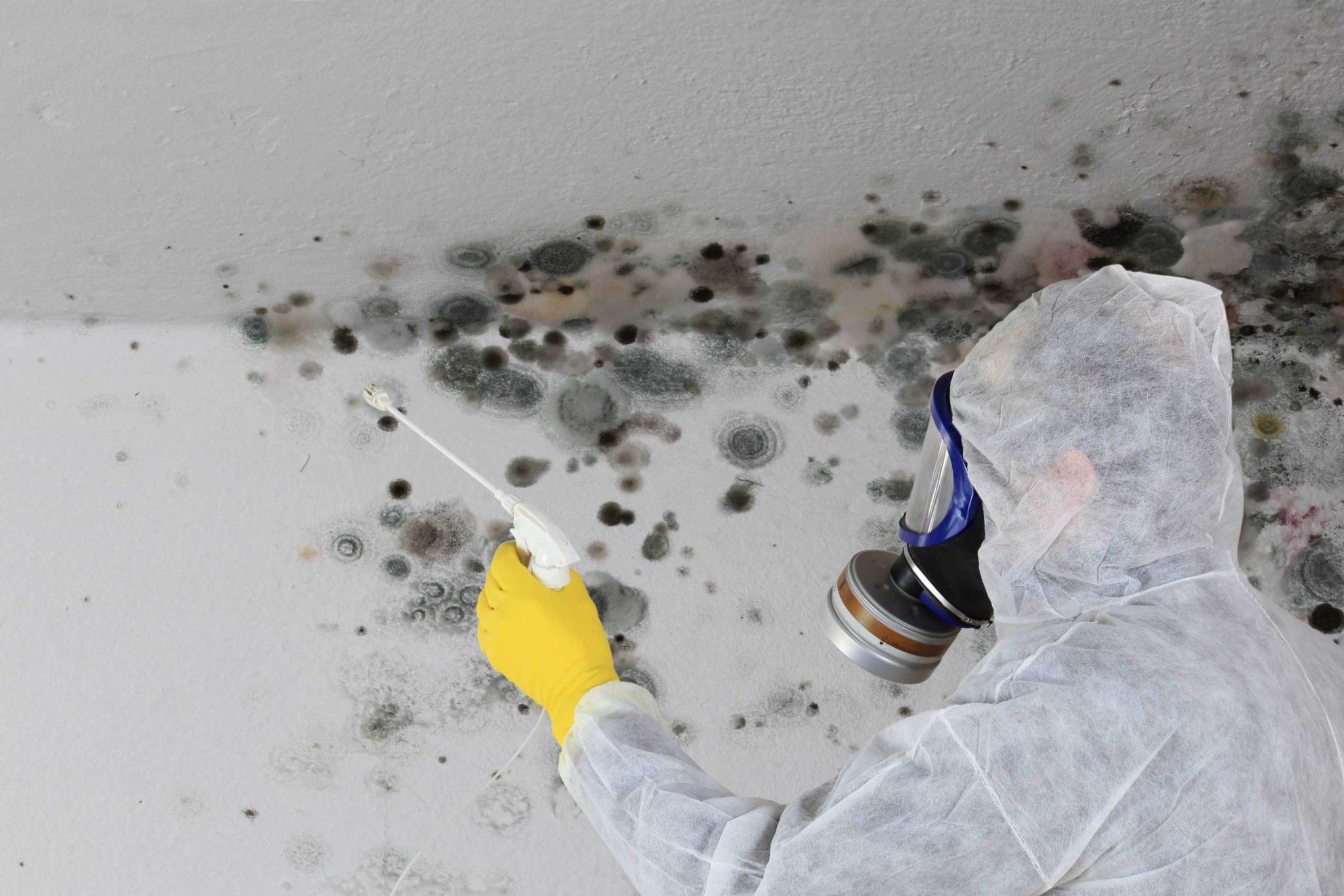
The difference between getting this handled right and getting it handled fast is significant. A general duct cleaner who disturbs mold without proper containment can spread spores throughout the home. We bring certified mold remediation expertise to every air duct cleaning job meaning the ductwork gets inspected, tested, and cleaned with the same protocols used for full mold remediation. After the job, samples are sent to a lab to confirm the mold is actually gone.
For renters and buyers moving into Manayunk’s century-old rowhouses and converted mill lofts, this matters more than it does almost anywhere else. You have no idea what the previous tenant’s flooding situation looked like. You can’t see inside the ducts. A free inspection from us is the only way to know what you’re actually breathing and the answer doesn’t cost you anything upfront.
We’ve been doing this work in the Philadelphia region for over 15 years. That means we’ve been inside the kinds of buildings Manayunk is full of narrow brick rowhouses from the early 1900s, converted textile mill lofts along the canal, and basement units that sit just a few feet above the Schuylkill flood plain. We know what old ductwork looks like in these buildings, and we know what flooding does to it.
We’re based in Bensalem and serve all of Philadelphia County, which means Manayunk is well within our regular service area not an afterthought. Owner Jeff is personally involved in jobs, which is why his name shows up repeatedly in customer reviews. When you call, you’re not reaching a call center. You’re reaching someone who will actually show up, look at the problem, and tell you what’s there.
We also work directly with insurance companies on claims which is particularly relevant for Manayunk homeowners who’ve filed water damage claims after Schuylkill River flooding events and may have remediation costs that qualify for coverage.
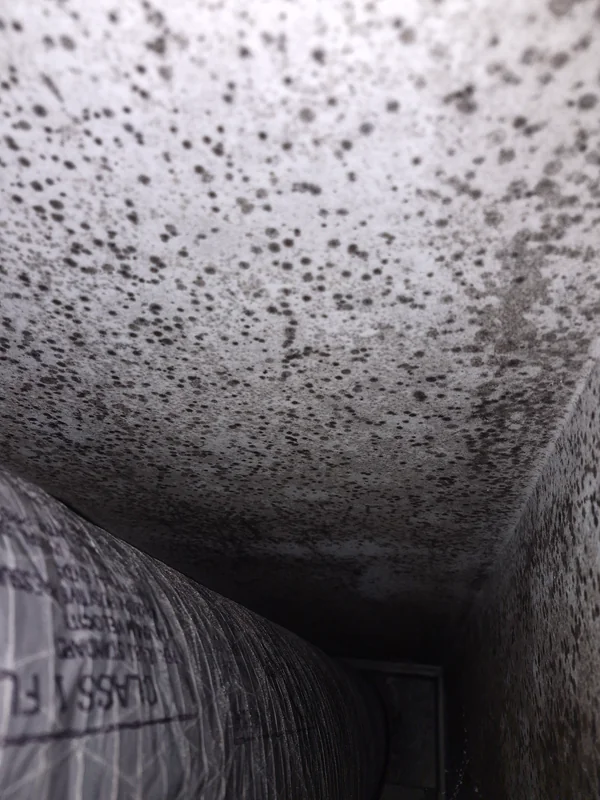
It starts with a free inspection. Before any work is quoted or scheduled, we come out to assess the ductwork, look for signs of mold, and understand what the system has been through. In Manayunk, that inspection often involves checking whether prior flooding reached the HVAC equipment or the duct runs near the basement because that’s where contamination typically starts in homes along the flood plain. You get a written quote before anything begins, and that number doesn’t change.
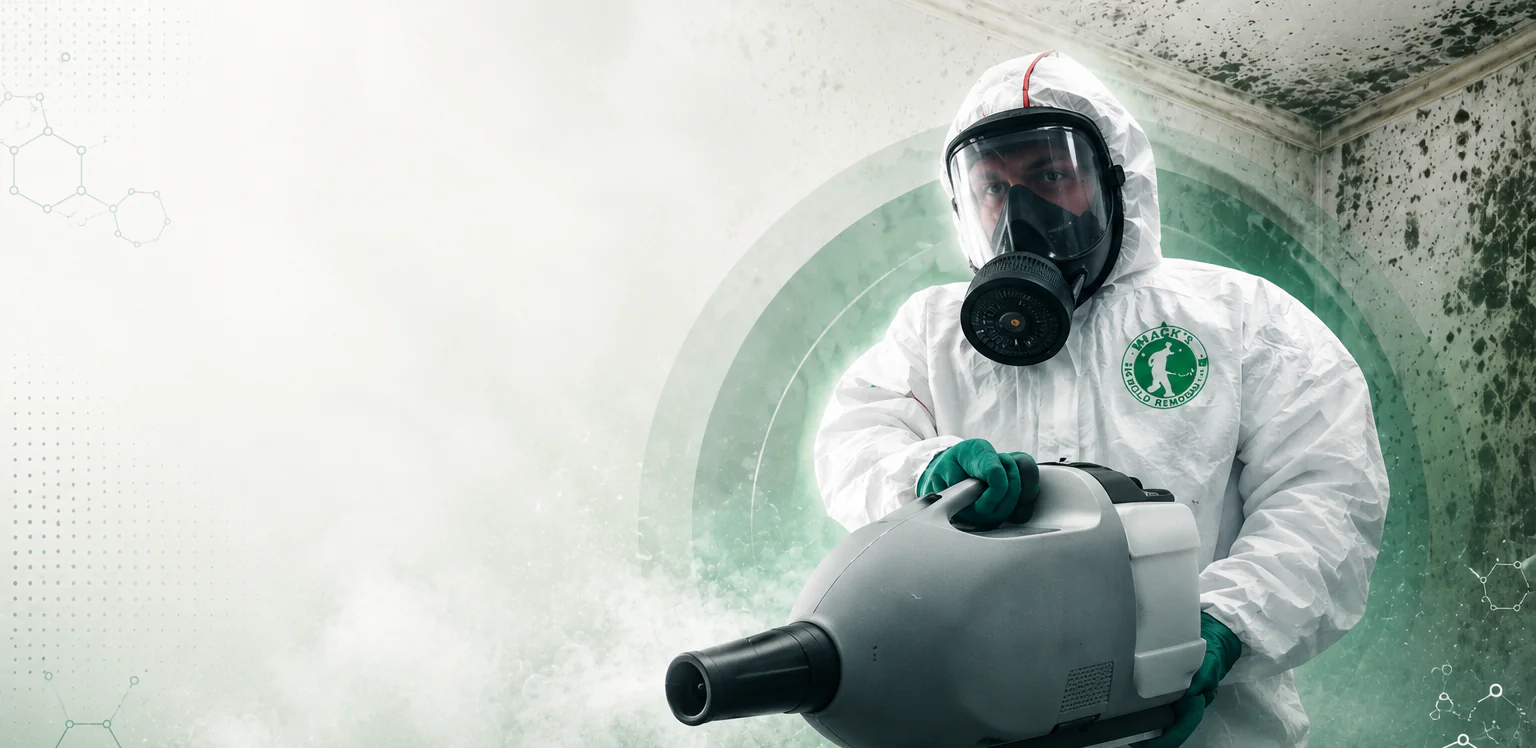
Once the job starts, the process is methodical. Containment comes first this is what separates a mold-aware cleaning from a standard duct sweep. We use negative air pressure and HEPA-rated equipment to pull contaminants out of the system without releasing them into the living space. Supply and return ducts are both addressed. If mold is present, we treat it with the same protocols used in full mold remediation, not just vacuumed over.
After the cleaning is complete, samples are collected and sent to a lab for analysis. You get documented confirmation that the mold is gone not a technician’s word, but actual results. For Manayunk renters who may need to show a landlord that the issue was resolved, or for buyers who want proof before they close, that documentation is genuinely useful. The whole job, done properly, typically takes several hours depending on the size and complexity of the duct system.
Ready to get started?
Air duct cleaning covers the full HVAC duct system supply vents, return vents, and the main trunk lines that connect them. We don’t clean one side and leave the other. In Manayunk’s older rowhouses, where ductwork was retrofitted into buildings not originally designed for it, the runs are often longer and more irregular than in newer suburban construction. That complexity is accounted for in the inspection, not discovered mid-job.
Dryer vent cleaning is a separate service we also provide, and in Manayunk it’s worth taking seriously. The NFPA reports nearly 16,000 dryer-related house fires annually, with failure to clean vents as the leading cause. Rowhouse layouts particularly those with basement laundry setups and long, multi-bend vent runs to reach an exterior wall are exactly the configurations where lint accumulates fastest. If you don’t know when your dryer vent was last cleaned, that’s reason enough to have it looked at.
Air duct sanitizing is available as an additional step after mechanical cleaning. This involves applying an antimicrobial treatment to the interior of the duct system to address any biological residue that remains after the physical debris is removed. In a neighborhood with Manayunk’s documented moisture and flooding history, this step is more than routine maintenance it’s a reasonable follow-through for anyone who’s had water anywhere near their HVAC system. We build the scope around what your specific system actually needs.
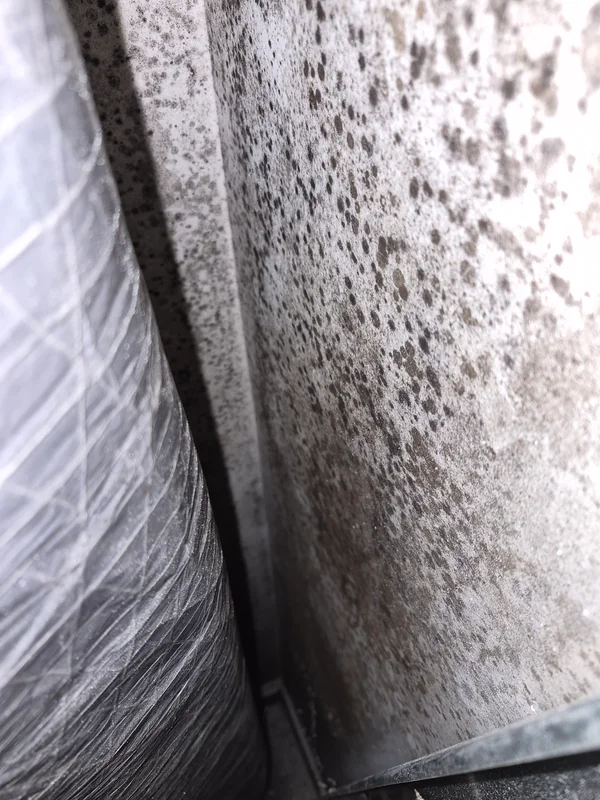
The most common sign is a musty or damp smell that appears specifically when your HVAC system kicks on not a general old-house smell, but one that comes through the vents when the air starts moving. In Manayunk, this is particularly worth paying attention to if your home is near the Main Street corridor or Venice Island area, where Schuylkill River flooding has reached residential properties in the past. Mold in ductwork often develops in the sections of the system closest to the basement or air handler areas that are most likely to have been exposed to floodwater or elevated humidity.
Other signs include visible discoloration around vent registers, worsening allergy or respiratory symptoms that improve when you leave the house, or a history of water intrusion in the basement or ground floor. The honest answer is that most people can’t definitively confirm mold in their ducts without a professional inspection, because the contamination is hidden inside the system. We offer free inspections for exactly this reason if you suspect something, there’s no cost to find out whether you’re right.
It depends entirely on what’s in your ducts. The EPA’s position is nuanced they don’t recommend routine duct cleaning as a blanket maintenance practice, but they do explicitly recommend it when mold is confirmed in the system, when there’s evidence of pest or rodent activity, or when significant debris is blocking airflow. For a home in Manayunk, where flooding has historically reached residential properties and where much of the housing stock dates to the early 1900s, the conditions that actually warrant cleaning are far more likely to be present than in a newer suburban home.
The industry’s reputation for bait-and-switch pricing the $99 offer that turns into hundreds of dollars in upsells once the technician is inside is legitimate and worth being cautious about. We counter this with a free inspection and written upfront pricing before any work begins. If the inspection shows your ducts are in reasonable shape, we’ll tell you. If there’s a real problem, you’ll know what it is and what it costs to fix before you commit to anything.
Yes, and this is what makes HVAC mold different from mold on a wall or in a corner. Every time your heating or cooling system runs, air moves through the entire duct network and out through every register in the home. If mold is established anywhere in that system on the evaporator coils, in the duct liner, or in a section of ductwork near a moisture source the running system distributes spores continuously to every room it serves.
This is why a mold specialist handling the duct cleaning matters more than a general cleaning technician. Disturbing mold inside a duct system without proper containment negative air pressure, HEPA filtration, sealed work zones can accelerate that distribution rather than stop it. In a Manayunk rowhouse where the ductwork runs through multiple floors and connects every room in the home, an improperly handled cleaning can make a localized problem into a whole-house one. We use the same containment protocols for duct cleaning that we use for full mold remediation jobs, which is a meaningful distinction.
The industry standard recommendation is every three to five years under normal conditions. But “normal conditions” doesn’t describe most of Manayunk’s housing stock. Buildings from the early 1900s with retrofitted ductwork, basement HVAC equipment, and a history of seasonal flooding are not normal conditions they’re elevated-risk conditions that warrant more frequent inspection even if full cleaning isn’t needed every cycle.
A practical approach for Manayunk residents is to get an inspection any time there’s been water intrusion near the HVAC system, any time you notice a musty smell from the vents, when moving into a property with an unknown maintenance history, or after a significant flooding event like the remnants of Hurricane Ida in September 2021. If you’re a renter who just moved in, you likely have no idea when the ducts were last cleaned or what the previous tenant’s flooding situation looked like. An inspection answers that question without committing you to a full cleaning upfront.
Air duct cleaning is the mechanical process using specialized equipment to physically remove dust, debris, mold growth, and other contaminants from inside the duct system. This involves negative air pressure machines, HEPA vacuums, and agitation tools that dislodge material from the duct walls and pull it out of the system. It’s the core service and the necessary first step.
Air duct sanitizing is what happens after the mechanical cleaning. An antimicrobial treatment is applied to the interior surfaces of the duct system to address biological residue mold spores, bacteria, and other organic material that may remain after the physical debris is removed. For homes in Manayunk that have experienced flooding or chronic humidity from proximity to the Schuylkill River, sanitizing after cleaning is a reasonable additional step. Mold spores are microscopic, and a cleaning alone may not eliminate every trace of biological contamination. Sanitizing addresses what the vacuum can’t reach.
Yes we serve all of Philadelphia County, and Manayunk is a direct match for our service area, not a stretch of it. From our Bensalem base, we can reach Manayunk via I-76 and the Ridge Avenue corridor without difficulty. We’re available 24 hours a day, seven days a week for emergency situations, which matters in a neighborhood where flooding events can happen overnight and mold begins developing within 24 to 48 hours of water exposure.
For non-emergency inspections and scheduled cleanings, response time has been a consistent point of praise in customer reviews multiple reviewers specifically noted that calls were returned the same day and appointments were set within 24 hours. For Manayunk renters and homeowners dealing with post-flood uncertainty or a sudden musty smell from the vents, that responsiveness is the practical difference between getting answers quickly and waiting a week for a callback from a larger franchise operation. The free inspection removes the financial barrier to making that first call.
Other Services we provide in Manayunk