

Hear from Our Customers
There’s a reason your HVAC system works harder in Lumberville than it would almost anywhere else in Bucks County. The Delaware River sits to the east. The Delaware Canal runs through the center of the village. The Paunacussing Creek meets the river at the northern edge. That’s not just scenery that’s three open water sources constantly feeding ambient humidity into the air around your home, your foundation, and the ductwork running through your crawlspace or basement.
When your system runs all summer trying to keep up, it’s also pulling that moisture through every inch of duct it has. For homeowners in Lumberville’s historic stone houses many built in the 1700s and 1800s, with ductwork retrofitted decades after construction this isn’t a seasonal problem. It’s permanent.
Stone wicks moisture. Older duct materials hold it. Mold doesn’t need much of an invitation. Once it colonizes a section of your HVAC system, every time the heat or AC kicks on, it distributes spores to every room in the house simultaneously.
What changes after we complete a proper air duct cleaning isn’t just the air quality reading on a meter. It’s the musty smell that disappears when the system starts up. It’s not wondering anymore whether what you’re breathing has been cycling through contaminated ductwork for years. For a lot of Lumberville homeowners especially those who’ve dealt with water intrusion from storm events or the slow grind of riverside humidity that peace of mind is the real outcome.
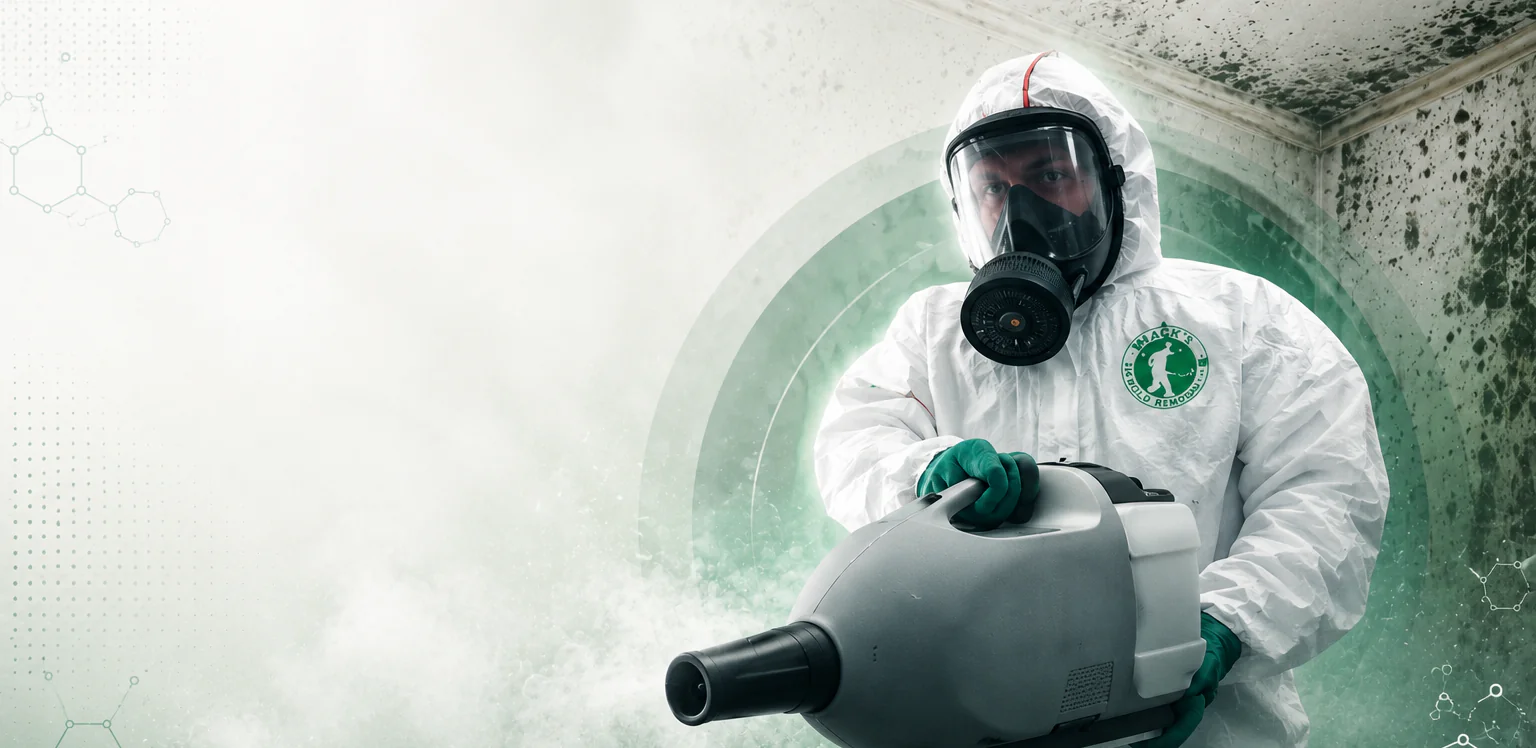
We’ve been serving Bucks County for over 15 years, and that’s long enough to know that a stone house on River Road in Lumberville is not the same job as a 1990s split-level in Warminster and we approach it differently. Our team brings certified mold remediation expertise to every air duct cleaning, which matters because disturbing mold in a duct system without proper containment doesn’t clean the problem it spreads it.
What sets us apart from a general HVAC cleaning company isn’t just equipment. It’s knowing when mold is actually present, how to contain it before cleaning begins, and how to verify the job is done through post-service testing not just a visual check and a handshake. Our reviews consistently mention that we test affected areas after the work is complete to confirm the mold is gone, not just removed from sight.
In a village like Lumberville, where a single property might carry 200 years of moisture history, that verification step isn’t optional it’s the whole point.
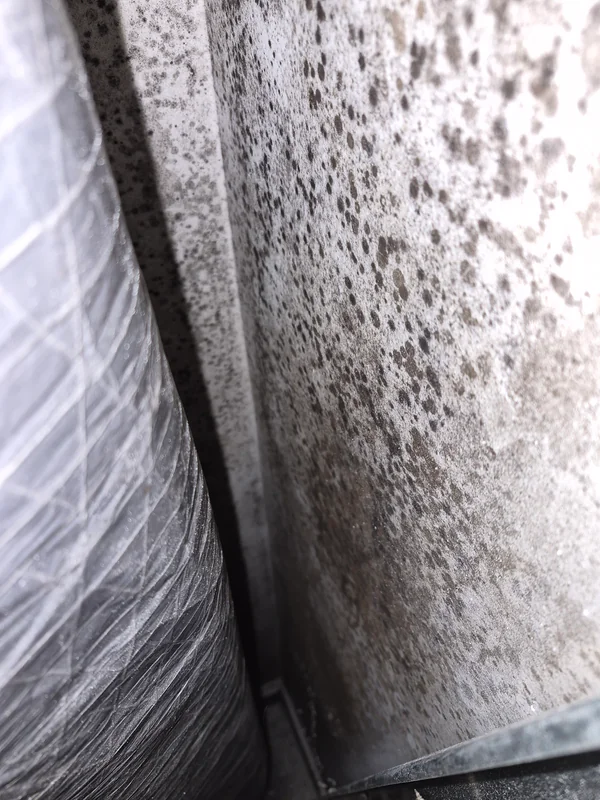
It starts with a free inspection. Before anything gets cleaned, we assess your HVAC system to understand what’s actually in there dust, debris, mold, or some combination. In Lumberville specifically, that inspection pays close attention to crawlspaces and basement duct runs, because those sections are most exposed to groundwater and canal-adjacent moisture.
If mold is confirmed, that changes the approach entirely. Containment protocols go in place before cleaning begins something a standard duct cleaning company won’t do and can’t do without mold remediation training.
Once the inspection is complete and the scope is clear, you get upfront pricing before any work starts. The number you’re quoted is the number you pay. From there, the cleaning itself involves mechanical removal of debris and buildup from both supply and return ducts not just the registers you can see, but the interior sections where contamination actually lives. A proper job takes time; rushing it means missing the sections that matter most.
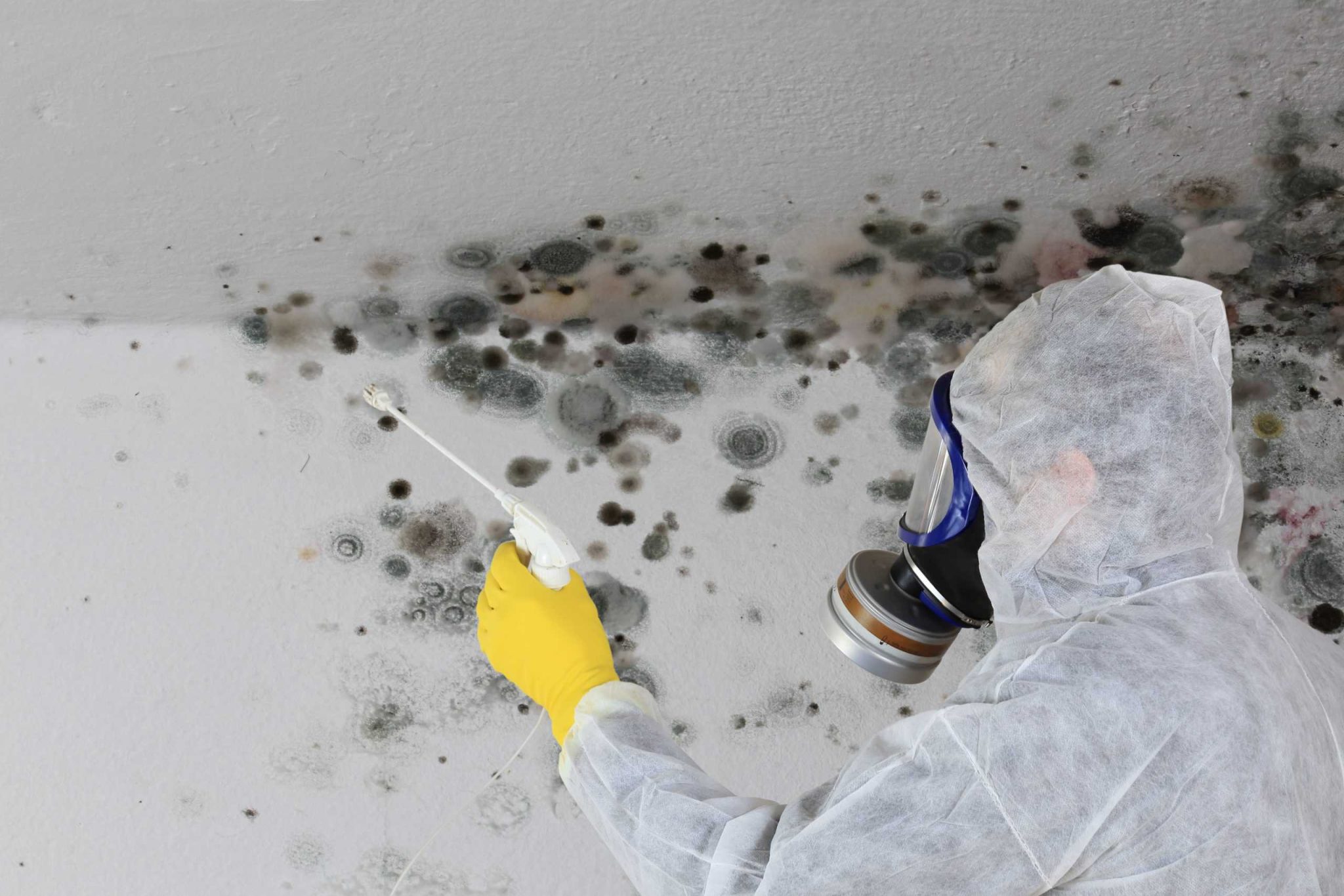
If mold was found during the inspection, we follow the mechanical cleaning with air duct sanitizing an antimicrobial treatment applied to duct surfaces to address biological contamination that vacuuming alone won’t eliminate. In a high-humidity riverside environment like Lumberville, skipping that step leaves the door open for recolonization within weeks.
After everything is done, post-service testing confirms the system is clear. You get documentation, not just a verbal assurance.
Ready to get started?
We handle the full scope of what a Lumberville home actually needs air duct cleaning, HVAC mold removal, air duct sanitizing, and dryer vent cleaning. These aren’t separate categories bolted together for the sake of a service menu. In an older home, they’re connected.
A dryer vent that was retrofitted into a 19th-century stone structure often runs a longer, more complex path than a vent in modern construction. Longer runs accumulate lint faster, restrict airflow sooner, and present a real fire risk the NFPA documents nearly 16,000 dryer-related house fires annually, with failure to clean vents as the leading cause. In a home where the walls and finishes are irreplaceable, that’s not a statistic to file away.
For homes in the Lumberville Historic District, there’s an added layer of care that comes with the work. Interior HVAC cleaning doesn’t require historic district permits, but it does require a technician who understands that the building envelope is old, the wall cavities are tight, and the materials we’re working around aren’t replaceable at a lumber yard. We bring that awareness to every job.
Insurance coordination is also part of what we offer. If your home has been through a flood event and properties along Route 32 in Solebury Township know what that looks like we work directly with insurance companies to help navigate the claims process. You don’t have to manage that paperwork alone on top of everything else.
Yes, and more directly than most people realize. The ambient humidity along the Delaware River corridor is consistently higher than inland Bucks County communities and Lumberville sits at the intersection of the river, the Delaware Canal, and the Paunacussing Creek. That combination means the air around your home carries more moisture year-round, not just during summer.
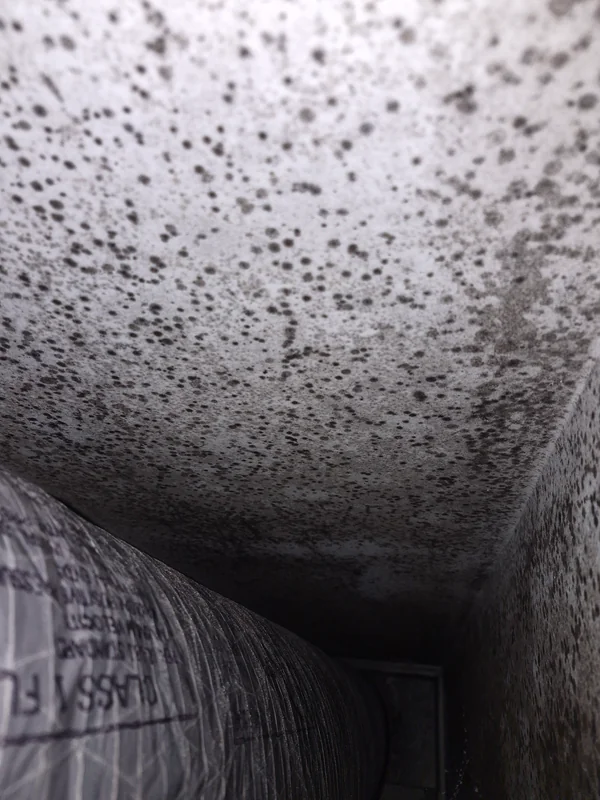
Stone foundations, which are common throughout the Lumberville Historic District, absorb groundwater and transmit it into basements and crawlspaces where ductwork typically runs. When warm, humid air contacts the cooler metal surfaces inside a duct system, condensation forms. Condensation in a dark, enclosed space is exactly the environment mold needs to establish itself.
The problem compounds in older homes where ductwork was retrofitted into spaces that weren’t designed for it. Gaps in duct sealing, older flex duct materials, and limited airflow in tight historic wall cavities all contribute to moisture retention inside the system. If your home is in Lumberville and has never had a professional HVAC inspection, there’s a reasonable chance your ducts have been accumulating biological contamination quietly for years.
The most telling sign is what happens when your HVAC system runs. Dust buildup might reduce airflow or leave a stale smell that dissipates quickly. Mold in ductwork tends to produce a musty, earthy odor that’s noticeably stronger when the system first kicks on because the airflow is physically pushing spores through the ducts and into the room.
If you notice that smell appearing or intensifying when the heat or AC starts up, that’s worth taking seriously. Other indicators include visible discoloration around supply registers, worsening allergy or respiratory symptoms that seem tied to being indoors, or a history of water intrusion in the basement or crawlspace where your duct runs are located.
For Lumberville homeowners who experienced water damage during Tropical Storm Ida in 2021 or any prior Delaware River flood event, the risk is especially concrete mold can colonize wet ductwork within 48 hours of water exposure, and that contamination doesn’t resolve on its own. A professional inspection with lab testing is the only way to know for certain what’s in your system.
This is one of the most common gaps in post-flood remediation, and it’s worth being direct about: HVAC systems are frequently the last thing addressed after a water event, and sometimes not addressed at all. When a contractor dries out floors, replaces drywall, and treats visible mold on surfaces, that work is real and necessary but it doesn’t automatically mean the ductwork that runs through the same basement or crawlspace was inspected or cleaned.
If your duct system was in a space that took on water even briefly and it wasn’t specifically inspected and cleaned as part of the remediation, there’s a meaningful chance it’s still harboring mold. Properties in Lumberville that experienced water intrusion during Tropical Storm Ida or similar events should treat the HVAC system as a separate line item in their recovery checklist, not an assumed part of general remediation.
We can inspect the system, test for mold presence, and give you a clear answer before the next heating season starts.
They’re related but not the same thing, and the distinction matters depending on what’s in your ducts. Air duct cleaning is the mechanical process physically removing dust, debris, and biological buildup from the interior surfaces of your duct system using specialized equipment. It addresses the physical contamination you can see and measure.
Air duct sanitizing is what happens after the mechanical cleaning when mold or bacteria has been confirmed. An antimicrobial treatment is applied to the cleaned duct surfaces to eliminate biological contaminants that mechanical removal alone doesn’t fully address.
In a high-humidity environment like Lumberville where the conditions that allowed mold to grow in the first place don’t disappear after a cleaning sanitizing provides a biological barrier that slows recolonization. Without it, you’ve cleaned the system but left the surfaces susceptible to the same moisture-driven mold growth returning within weeks. For homes along the Delaware River corridor, where ambient humidity is a permanent feature of the environment rather than a seasonal spike, sanitizing is a meaningful part of a complete job, not an optional add-on.
The general industry guidance is every three to five years for a typical home in normal conditions. Lumberville is not normal conditions. Historic stone homes in the village sit in a persistent moisture environment created by the river, the canal, and the creek and many of them have ductwork running through crawlspaces and basements that are in direct contact with stone foundations that wick groundwater.
That combination accelerates the rate at which biological contamination can develop inside a duct system compared to a modern, well-insulated home in a drier location. For a home in the Lumberville Historic District, especially one that has experienced any water intrusion from flooding or storm events, a professional inspection every two to three years is a more appropriate baseline.
Beyond the time interval, there are situational triggers that should prompt an inspection regardless of when the last cleaning happened: a noticeable musty odor from vents, worsening respiratory symptoms among household members, confirmed mold anywhere else in the property, or any water event that affected the basement or crawlspace where ductwork runs. Age of the duct system also matters older flex duct or improperly sealed sheet metal in a historic home retains moisture differently than modern ductwork, and may need more frequent attention.
Yes. We’re based in Bensalem and serve Bucks County as our primary service area Lumberville and Solebury Township are well within that range. We’re familiar with the Delaware River corridor communities along Route 32, and the specific moisture conditions those properties deal with are a known part of how we approach work in this area.
This isn’t a company expanding into unfamiliar territory; Bucks County’s 49-inch annual rainfall and the HVAC mold risk it creates in river-adjacent communities are conditions we’ve been working around for over 15 years.
Scheduling is straightforward the process starts with a free inspection, and we’re available 24 hours a day for situations that can’t wait. If you’ve noticed a musty smell from your vents, had water in your basement, or simply haven’t had your HVAC system looked at since moving into your home, that inspection is the right first step. You’ll get a clear picture of what’s in your system, upfront pricing before any work begins, and post-service testing to confirm the job is complete not just done.
Other Services we provide in Lumberville