
Hear from Our Customers
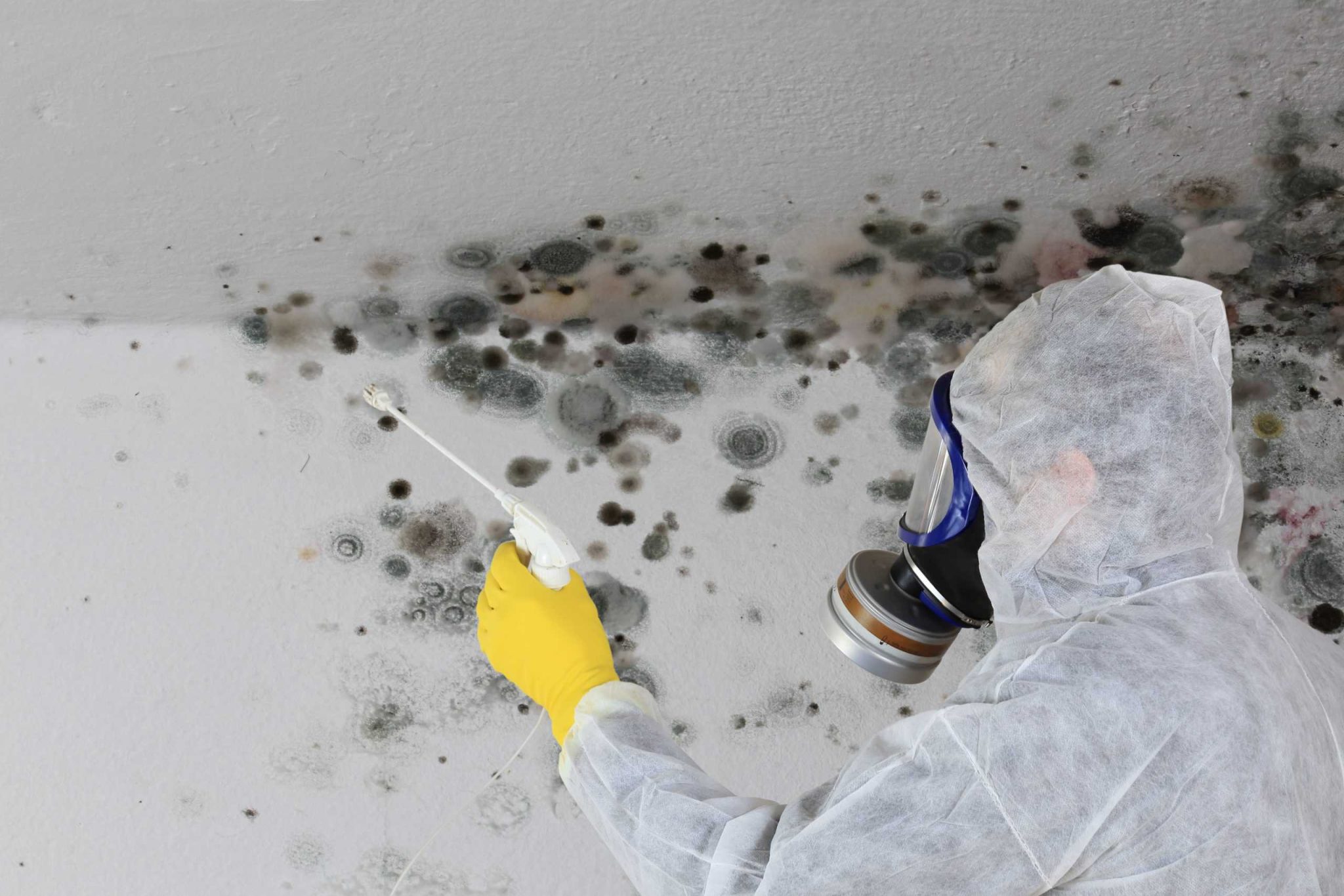
Most Logan homeowners don’t think about their ductwork until something smells off usually when the heat kicks on in October and the whole house fills with that musty, stale odor. By that point, mold has often been circulating through the system for months, sometimes longer. Every time your HVAC runs, it’s distributing whatever is living in those ducts to every room in the house simultaneously. That’s not a minor inconvenience that’s a whole-home air quality problem.
Logan’s housing stock makes this risk especially real. Homes in the 19141 ZIP code were primarily built in 1939 or earlier, which means the ductwork in most of these row homes was retrofitted into structures that were never designed for central air. Those ducts run through unconditioned spaces, they’re often imperfectly sealed, and after 50 to 80 years of use, they’ve accumulated moisture, debris, and in many cases, mold.
Philadelphia’s average summer relative humidity sits around 65%, and that moisture finds its way into aging ductwork every single cooling season. When the ductwork is cleaned properly not just vacuumed at the register, but mechanically cleaned through the full system you stop the cycle. The air moving through your home stops carrying what it’s been carrying.
For families with young kids, anyone dealing with worsening allergies, or homeowners who’ve already had mold remediated somewhere else in the house and aren’t sure about the ducts, that outcome matters. We clean the full system so you know it’s actually clean.
We’ve been serving Philadelphia County and the surrounding region for over 15 years. Based in Bensalem, we reach Logan directly via Roosevelt Boulevard a route that connects the two areas without the runaround. That matters because Logan’s older row homes, its proximity to Jefferson Einstein Philadelphia Hospital on Old York Road, and the neighborhood’s documented moisture history aren’t abstractions to us. They’re the conditions we work in.
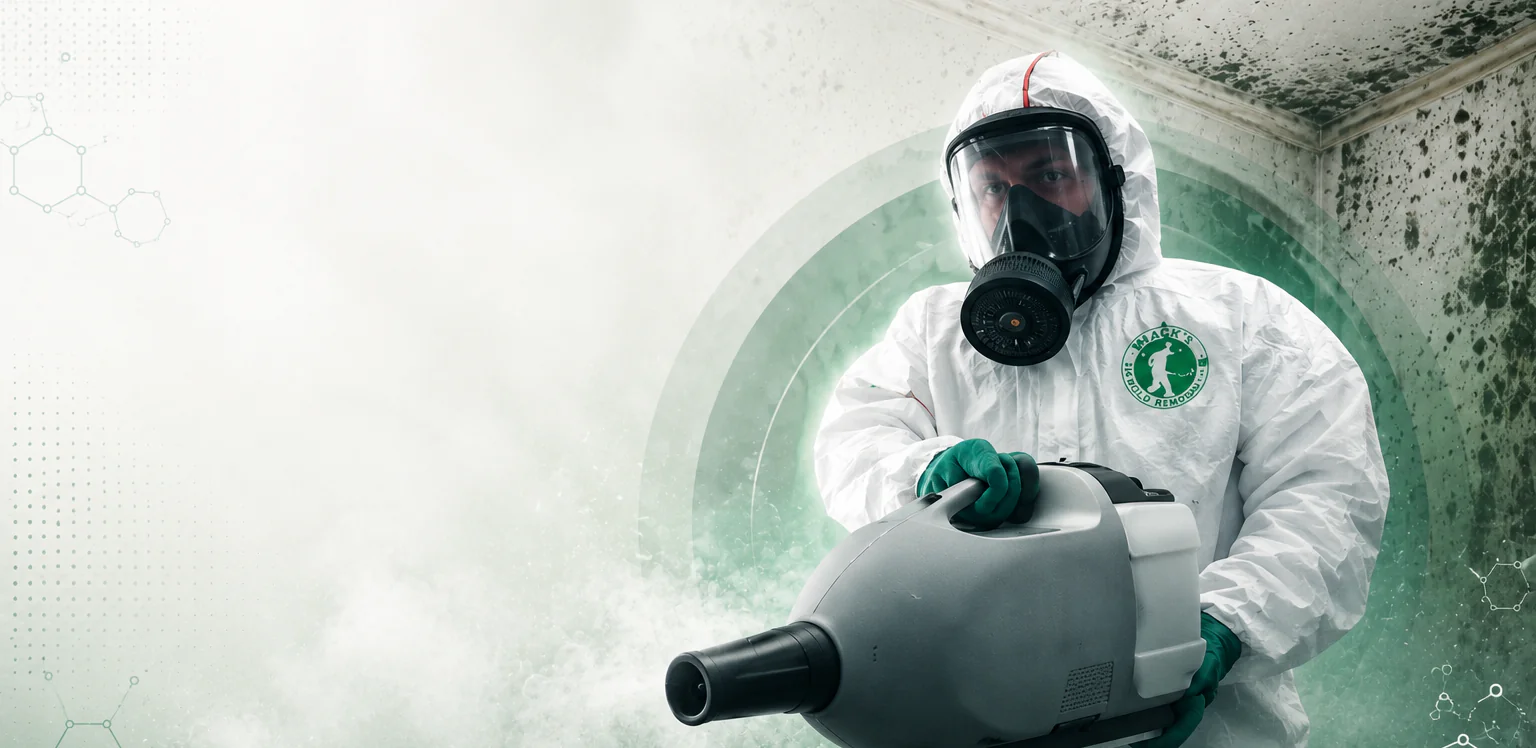
What separates us from a general duct cleaning company is our mold remediation background. When a technician who cleans ducts for a living finds mold inside your ductwork, they vacuum it out and leave. When our certified mold remediation specialists find it, we know how to contain it, remove it safely, and verify it’s actually gone because spreading mold spores through a home by disturbing them without containment protocols is a real risk that general cleaners aren’t trained to manage.
We offer free inspections and upfront pricing. The number you’re quoted before the job starts is the number you pay when it’s done.
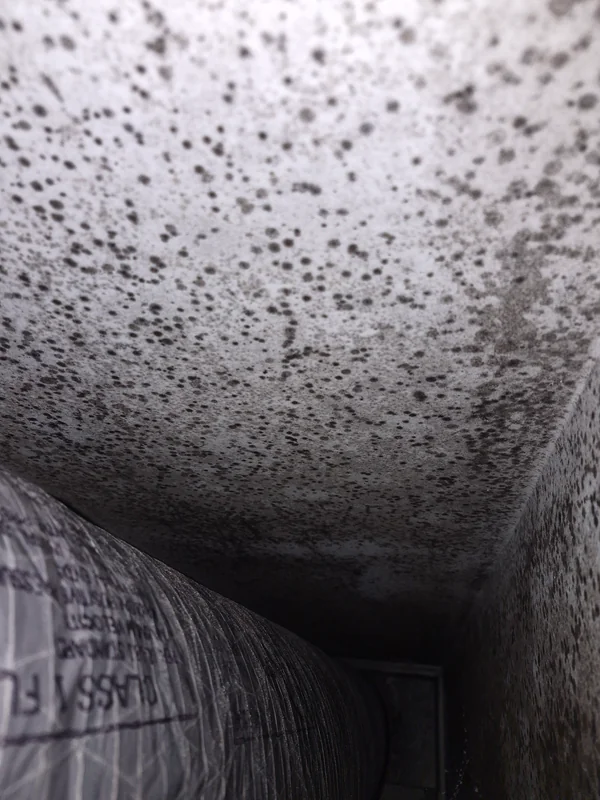
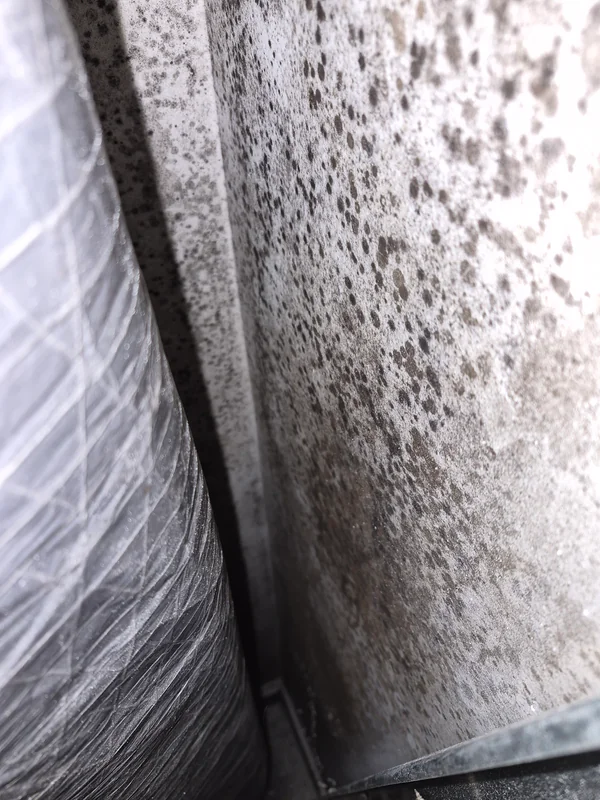
It starts with a free inspection. Before any cleaning begins, one of our certified inspectors looks at the full system registers, duct interiors, the air handler, and any areas where moisture is likely to have accumulated. In Logan’s pre-war row homes, that often means paying close attention to basement-level return air vents, since basement dampness is endemic in this neighborhood and that’s the most direct path for moisture to enter the duct system. If mold is present, we identify where it is and how extensive it’s become before a single tool is turned on.
From there, the cleaning itself is a mechanical process not a shop vac at the register. Proper HVAC duct cleaning uses negative air pressure equipment and HEPA-rated vacuums that pull debris and biological contaminants out of the system rather than pushing them around. The full system gets cleaned: supply ducts, return ducts, and the components in between.
A job done right on a typical home takes four to six hours. If a company is quoting you a full cleaning in under an hour, that’s not a cleaning that’s a sales call.
If mold is confirmed in the system, we apply air duct sanitizing after the mechanical cleaning an antimicrobial treatment that addresses biological contamination the vacuum can’t fully eliminate. After the work is done, affected areas are tested to confirm the mold is actually gone. That post-cleaning verification step is something most companies skip entirely.
Ready to get started?
Air duct cleaning covers the full HVAC duct system not just the registers you can reach with a hand vacuum. We clean both supply and return ductwork, which matters because return ducts are where most of the biological contamination accumulates and where most cut-rate cleaners don’t bother. The inspection that kicks off every job is free, and it’s thorough enough to tell you exactly what’s in your system before you decide whether to move forward.
Dryer vent cleaning is also available, and in Logan’s row homes, it’s worth taking seriously. Row home dryer vents typically run horizontally through interior walls before exiting the building longer runs than a freestanding single-family home allows. Longer runs accumulate lint faster, restrict airflow, and create fire conditions more quickly. The National Fire Protection Association reports nearly 16,000 dryer-related house fires annually, with the leading cause being failure to clean the vent. In a neighborhood where homes share walls, that risk doesn’t stay contained to one unit.
For situations where mold is confirmed in the HVAC system, we include air duct sanitizing as part of the remediation process not offered as an upsell after the fact. We also work directly with homeowners’ insurance companies when mold contamination qualifies for a claim, handling the documentation so you’re not navigating that process alone. Flexible financing is available for homeowners who want the work done right without absorbing the full cost at once.
The most common sign is a musty smell that appears when your HVAC system kicks on especially the first time you run the heat in the fall or the AC in late spring. If the smell fades after the system runs for a while but comes back the next time it starts up, that’s often mold in the ductwork being disturbed and then settling again. Visible discoloration around registers is another indicator, though by the time you can see something at the vent opening, the contamination inside the system is usually more significant than what’s visible.
In Logan specifically, the combination of pre-war housing stock and the neighborhood’s documented soil moisture conditions rooted in the area’s history with the buried Wingohocking Creek creates conditions where basement dampness is chronic. That moisture enters HVAC systems through basement-level return air vents and travels the full duct system. If your basement has ever had water issues and your home has forced-air heating or cooling, a duct inspection is worth doing. We offer free inspections, so there’s no cost to finding out what’s actually in there.
The short answer is yes but it depends on what’s in the ducts and why you’re cleaning them. The EPA’s position on routine air duct cleaning is nuanced: for ordinary dust accumulation in a well-maintained system, the evidence for meaningful air quality improvement is mixed. But the EPA explicitly recommends cleaning when mold is confirmed in the ductwork, when there’s evidence of pest or rodent activity in the system, or when substantial debris is clogging the registers. Those aren’t edge cases in Logan’s older housing stock they’re common findings.
The more relevant question for most Logan homeowners isn’t whether duct cleaning works in general it’s whether your specific system has a problem that cleaning would address. A free inspection answers that. If we find nothing significant, you’ll know your system is clean. If mold or substantial contamination is present, you’ll know what you’re dealing with and what it costs to fix it before any work begins. That’s a much better starting point than guessing based on how old the house is.
A proper air duct cleaning on a typical home takes four to six hours. That’s the industry standard for a job that covers both supply and return ductwork using the right equipment negative air pressure systems and HEPA-rated vacuums that pull contaminants out of the system rather than pushing them around. If a company quotes you a full cleaning in 45 minutes or an hour, that’s not a complete cleaning. It’s almost certainly a bait-and-switch setup where the low initial price gets followed by a long list of add-ons.
For Logan’s row homes, the timeline can vary depending on the layout of the duct system. Homes where ductwork was retrofitted into a pre-war structure which describes most of the 19141 ZIP code sometimes have more complex routing than newer construction, with ducts running through spaces that weren’t originally designed for them. That can add some time to a thorough inspection and cleaning. If mold is confirmed and air duct sanitizing is part of the job, that adds time as well. We’ll give you a clear picture of the timeline during the free inspection before any work starts.
Yes and this is exactly why mold in ductwork is a different problem than mold on a basement wall. Mold on a wall stays where it is until you address it. Mold inside your HVAC system gets distributed to every room in the house every time the system runs. The air handler pulls air through contaminated return ducts and pushes it out through supply registers in your living room, bedrooms, and kitchen. One contaminated section of ductwork becomes a whole-home exposure issue with every heating and cooling cycle.
This is also why it matters who does the cleaning. A general duct cleaning company that vacuums without containment protocols can disturb mold colonies and spread spores through the system rather than removing them. We bring certified mold remediation training to every duct cleaning job the same containment and removal protocols used in full mold remediation work apply here. After the cleaning, affected areas are tested to confirm the mold is gone, not just moved around. For Logan homeowners who’ve already had mold remediated in the basement or on walls, getting the duct system checked is the logical next step because a remediated space can be recontaminated if the HVAC system is still circulating mold spores.
Air duct cleaning is the mechanical process using specialized equipment to physically remove dust, debris, and biological matter from inside the ductwork. It’s the core of the job and what most of the time and labor goes into. Air duct sanitizing is a separate step that comes after the mechanical cleaning: an antimicrobial treatment is applied to the interior surfaces of the ducts to address any remaining biological contamination that the vacuum equipment can’t fully eliminate on its own.
For routine maintenance cleaning in a system with no confirmed mold, sanitizing may not be necessary. But when mold is confirmed in the ductwork which is a real finding in Logan’s older row homes given the moisture conditions in the neighborhood sanitizing is an important part of a complete job. Cleaning removes the visible and accessible contamination; sanitizing addresses what’s left behind at a microbial level. We include sanitizing as part of the remediation process when mold is confirmed, rather than presenting it as an upsell after the fact. The free inspection will tell you whether your system needs one, both, or neither.
Yes Logan falls within Philadelphia County, which is part of our established service area. We’re based in Bensalem and reach Logan directly via Roosevelt Boulevard, which connects directly from Bensalem into the North Philadelphia corridor. It’s a straightforward route that our technicians travel regularly to serve Philadelphia County customers not a long-distance stretch into unfamiliar territory.
For Logan homeowners, that proximity matters in a practical way. We offer 24/7 emergency service, and when a Logan resident calls because the heat just kicked on for the first time and the whole house smells like mold, a same-day or next-day response is realistic not a promise that turns into a week-long wait. Owner Jeff responds personally and quickly, which is a different experience than calling a national franchise and leaving a message with a scheduling department. If you’re in Logan and want to know what’s in your duct system, the free inspection is the starting point no cost, no commitment, and a clear answer before any work begins.
Other Services we provide in Logan