
Hear from Our Customers

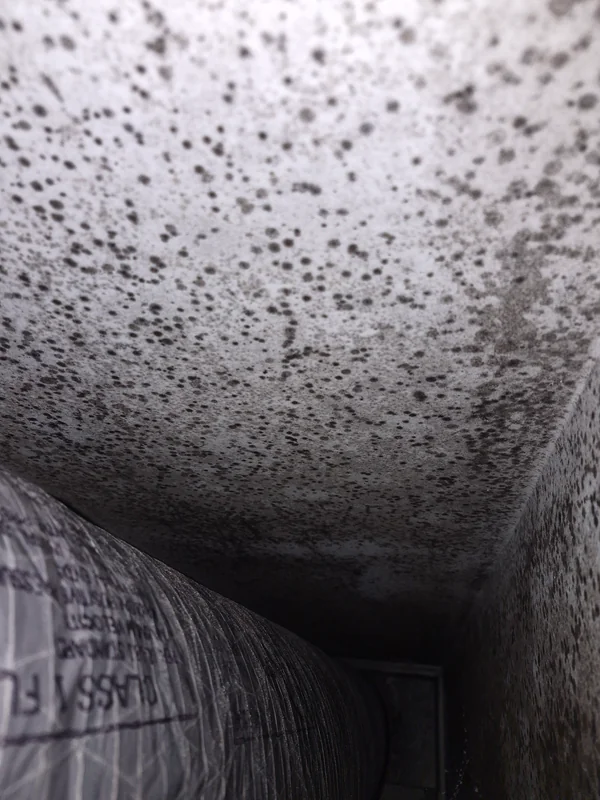
Most people don’t think about their ductwork until something smells off when the AC kicks on. By then, whatever’s growing inside has usually been there for a while quietly circulating through every room every time the system runs. Getting that addressed isn’t just about comfort. It’s about knowing what your family is actually breathing.
For Langhorne homeowners, that concern is more grounded than most people realize. The Neshaminy Creek runs along the borough’s northern boundary, and when Bucks County gets hit with heavy spring rains averaging about 49 inches a year, well above the national average the water table rises. That moisture wicks into slab foundations and crawl spaces throughout neighborhoods like Langhorne Gables and Langhorne Gardens, and it doesn’t stop there. It finds its way into unconditioned duct runs, sits in the dark, and creates exactly the environment mold needs to take hold.
Once that’s addressed properly, the difference is real. The musty smell from the vents goes away. Allergy symptoms that seemed to come out of nowhere start to ease. And if you have kids at home, you’re not left wondering what they’re breathing in the house they spend most of their time in. That peace of mind isn’t abstract it’s what happens when the problem is actually fixed, not just cleaned around.
We’re based in Bensalem, which puts Langhorne right in our backyard a straight shot down PA-413 or I-95. We already serve homeowners in Langhorne Gardens, Langhorne Terrace, and Langhorne Manor, so when you call, you’re not explaining your neighborhood to someone who’s never been here. We know the housing stock, the moisture patterns near the creek, and what Bucks County’s humid summers do to ductwork that runs through unconditioned spaces.
What separates us from the HVAC contractors showing up in local search results is the mold expertise. Cleaning ducts without mold remediation training is a real risk disturbing a mold colony without proper containment can spread spores through the entire home. We bring certified mold inspection and remediation knowledge to every job. We also test after the work is done to confirm the mold is actually gone, not just out of sight. Free inspections, upfront pricing, and no surprises when the job is finished.
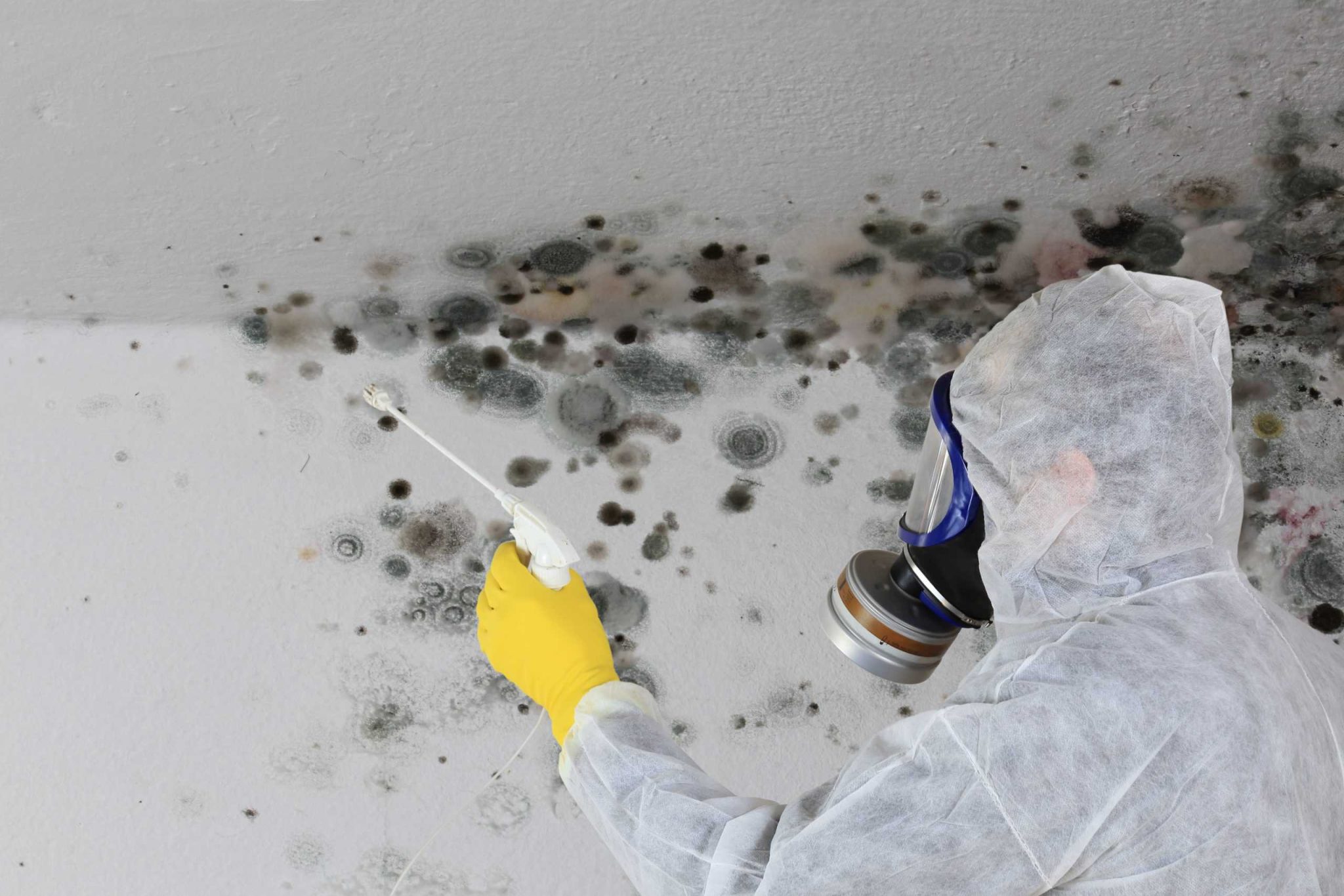
It starts with a free inspection. Before any work is priced or scheduled, one of our certified inspectors takes a look at your system to understand what’s actually going on. In Langhorne’s older homes especially the post-war ranches and split-levels in Langhorne Gables and Langhorne Gardens, many of which were built in the 1950s through 1980s that inspection often turns up decades of accumulation in duct runs that were never designed to be easy to access. Knowing what’s there before the work starts is how you get an honest quote.
If mold is present, containment comes before cleaning. This is the step most general duct cleaners skip entirely, and it’s the one that matters most. We use proper containment protocols so that whatever is inside the ductwork doesn’t get pushed into the living space during the cleaning process. The mechanical cleaning itself using negative air pressure equipment and HEPA vacuums typically takes several hours for a full system. It’s not a quick in-and-out job done right.
After the cleaning is complete, affected areas are tested to confirm the mold has been eliminated. You get documentation, not just a handshake. If your situation involves an insurance claim which happens more often than you’d think after water intrusion events near the Neshaminy Creek corridor we work directly with insurance companies so you’re not left managing that process on your own.

Ready to get started?
We handle air duct cleaning, air duct sanitizing, dryer vent cleaning, mold inspection, and post-remediation testing and those services connect in ways that matter for Langhorne homeowners specifically. If you’ve already had mold remediated in your basement or crawl space, there’s a real chance the HVAC system was running the entire time that mold was present. That means spores were being pulled through the system and deposited in the ductwork. Treating the visible mold without addressing the ducts leaves the problem half-finished.
Air duct sanitizing is a separate step from mechanical cleaning it applies antimicrobial treatment to the interior duct surfaces after the physical debris is removed. In Bucks County’s climate, where summer humidity regularly exceeds 70%, that additional layer of treatment makes a meaningful difference in how long the system stays clean.
Dryer vent cleaning is also part of what we offer, and in Langhorne’s older homes it’s worth taking seriously. Many post-war homes in Langhorne Gables and Langhorne Gardens have dryer vent runs that are longer and more complex than current standards would allow, which means lint accumulates faster and the fire risk is higher. The NFPA reports roughly 15,970 dryer-related house fires per year nationwide, with failure to clean vents as the leading cause. That’s a fire safety issue. Flexible financing is available if cost is a concern, and we work with insurance when applicable.
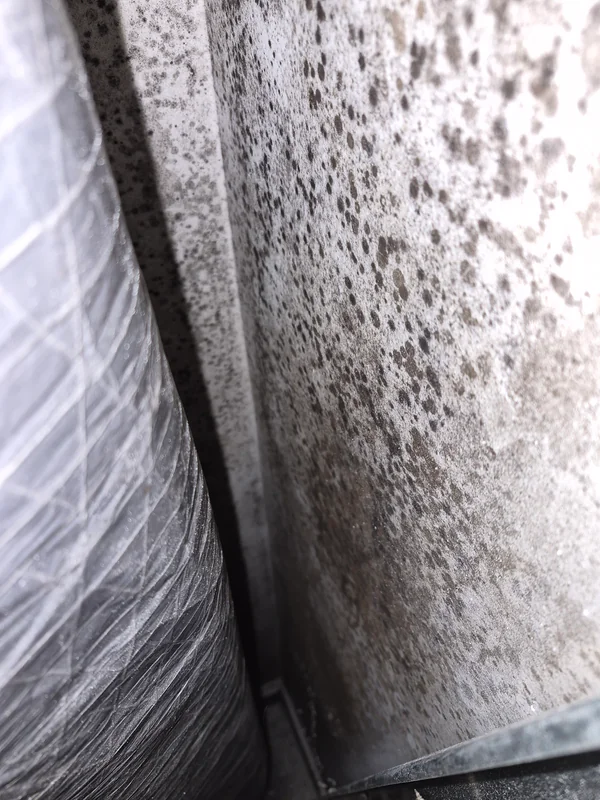
The most common sign is a musty smell that appears when your HVAC system kicks on and fades when it shuts off. That pattern smell tied directly to the system running is a strong indicator that the source is inside the ductwork rather than somewhere else in the home. You might also notice that allergy or respiratory symptoms are worse indoors than outside, or that they’ve been creeping up over time without an obvious explanation.
In Langhorne specifically, the combination of aging housing stock and proximity to the Neshaminy Creek creates conditions where moisture infiltration into crawl spaces and slab foundations is genuinely common, particularly after wet springs. That moisture doesn’t always announce itself it works its way into unconditioned duct runs quietly. Visible discoloration around vent registers can be a sign, but mold typically colonizes the interior sections of ductwork long before it becomes visible at the surface. A free inspection from us is the only way to know for sure what’s actually inside the system.
Yes, and it matters more than most people realize. An HVAC contractor cleaning your ducts is focused on the mechanical side of the system airflow, equipment function, filter replacement. They’re not trained in mold identification, containment, or remediation. If they disturb a mold colony inside the ductwork without proper containment protocols in place, they can push spores into the living space and make the contamination worse, not better.
We approach duct cleaning differently. Containment comes first. The affected sections are isolated before any mechanical cleaning begins, so that whatever is inside the system doesn’t get distributed through the rest of the home during the process. We bring certified mold remediation expertise to every duct cleaning job which is particularly relevant in Langhorne’s older housing stock, where moisture infiltration from the creek corridor and aging slab foundations means mold in ducts is a real possibility, not just a hypothetical.
The general industry guidance is every three to five years for routine maintenance, but that’s a baseline not a rule that applies equally to every home. Several factors push that timeline shorter, and Langhorne homes tend to check more than a few of those boxes.
Homes built in the 1950s through 1980s, like those throughout Langhorne Gables and Langhorne Gardens, often have duct systems that have never been professionally cleaned. If you’ve recently had water intrusion, noticed a persistent musty smell, or had mold remediated elsewhere in the home, those are reasons to inspect sooner regardless of when the last cleaning happened. Bucks County’s above-average rainfall and humid summers with humidity regularly exceeding 70% accelerate biological growth inside ductwork compared to drier climates. If you’ve lived in the home for several years and can’t remember the last time the ducts were cleaned, a free inspection is a reasonable starting point.
They’re two different steps that address two different problems. Mechanical air duct cleaning removes the physical material inside the ductwork dust, debris, biological matter, and any visible mold growth. It’s done using negative air pressure equipment and HEPA vacuums to pull contaminants out of the system rather than pushing them further in.
Air duct sanitizing comes after the mechanical cleaning. It applies an antimicrobial treatment to the interior surfaces of the ductwork to address any remaining biological contamination that the physical cleaning couldn’t fully remove. In a dry climate, mechanical cleaning alone might be sufficient for most situations. In Bucks County, where summer humidity consistently sits above 70% and homes near the Neshaminy Creek corridor deal with recurring moisture infiltration, sanitizing adds a meaningful layer of protection it creates a less hospitable environment for mold regrowth after the cleaning is done. Whether you need both depends on what the inspection finds, but for homes with confirmed mold in the system, skipping the sanitizing step is generally not recommended.
This is one of the most common situations we encounter, and the short answer is yes the ducts should be inspected after any mold remediation elsewhere in the home. Here’s why: if the HVAC system was running while mold was present in the basement or crawl space, it was pulling air from that contaminated environment and circulating it through the ductwork. Mold spores are microscopic and travel easily through air movement. By the time the visible mold is remediated, the ductwork may already be seeded with spores that will continue to grow if left unaddressed.
This is especially relevant in Langhorne, where older homes often have HVAC duct runs that pass through or near crawl spaces and unconditioned basement areas exactly the zones where mold establishes first. Treating the source without checking the distribution system is like fixing a leak but leaving the water in the walls. A post-remediation duct inspection closes that loop and ensures the remediation work actually holds.
It’s a legitimate fire safety concern, not an add-on designed to inflate a bill. The National Fire Protection Association reports roughly 15,970 home structure fires per year involving dryers, and the leading cause is failure to clean the dryer vent. Lint is highly flammable, and when it accumulates in a vent that isn’t cleared regularly, the risk of ignition is real.
In Langhorne’s older homes particularly the post-war ranches and split-levels throughout Langhorne Gables and Langhorne Gardens dryer vent runs are frequently longer and more complex than what current building standards would permit for a new installation. Longer runs with more bends trap lint faster and are harder to clear with a basic brush kit from a hardware store. We use equipment that can reach the full length of the run and confirm the vent is clear all the way to the exterior termination point. If you’re in a home built before 1985 and you’ve never had the dryer vent professionally cleaned, it’s worth adding to the list when the ducts are being serviced.
Other Services we provide in Langhorne