
Hear from Our Customers
When you stop pushing contaminated air through a 70-year-old duct system, the difference shows up fast. Fewer musty smells when the heat kicks on. Less dust settling on surfaces within days of cleaning. For families with kids at Brookwood Elementary or anyone dealing with unexplained allergy flare-ups, cleaner air moving through the home is something you feel, not just something you’re told about.
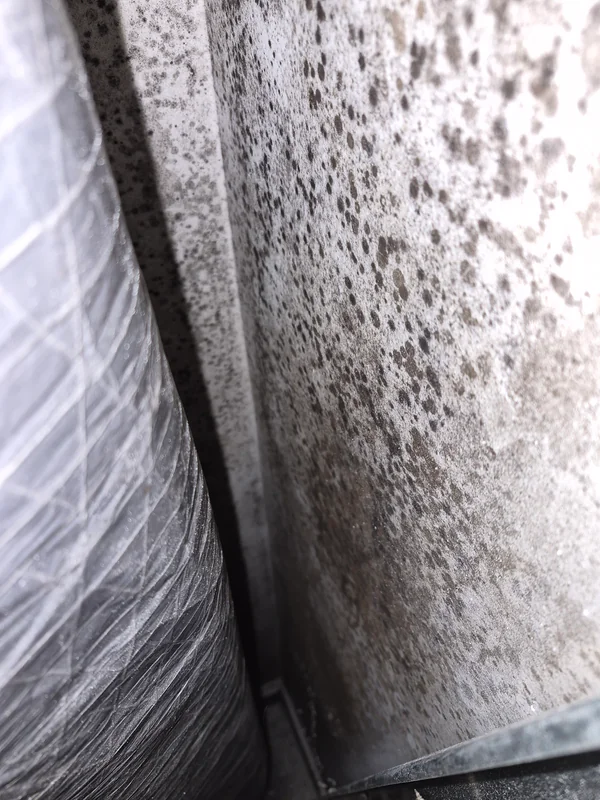
Indian Creek’s housing stock creates a specific problem that newer suburbs don’t have. Levitt-era construction predates vapor barriers, which means ground moisture has been migrating upward through crawl spaces in these homes for decades. That moisture finds its way into aging ductwork, and once it does, mold doesn’t need much of an invitation. Bucks County already gets around 49 inches of rain a year well above the national average and the Delaware River valley humidity compounds that baseline all summer long.
The outcome of getting this right isn’t just “better air quality,” which is what every duct cleaning company says. It’s knowing that the system circulating air to every room in your house isn’t also distributing whatever has been accumulating in those ducts since the Eisenhower administration. That’s a different kind of peace of mind.
We’re based in Bensalem about 10 to 12 miles up I-95 from Indian Creek. That’s not a coincidence. Lower Bucks County is our market, and Levittown’s aging housing stock is something we’ve been working in for nearly 30 years. We know what pre-vapor-barrier crawl spaces do to a home’s moisture levels over time, and we know how that moisture ends up in ductwork throughout Indian Creek and the surrounding area.
What separates us from a standard duct cleaning service is our mold remediation background. When a general HVAC cleaner disturbs mold inside ductwork without proper containment, they can spread spores to every room in the process. We bring certified mold inspection and remediation protocols to every job so if mold is present in your ducts, it gets handled correctly, not just vacuumed around.
We work directly with insurance companies, offer flexible financing, and are available 24/7 for situations that can’t wait. Free inspections and upfront pricing mean you know exactly what you’re looking at before any work begins.

It starts with a free inspection. One of our certified technicians comes to your Indian Creek home, takes a look at your duct system, and tells you exactly what we find including whether mold is present, where it’s concentrated, and what the scope of work looks like. You get upfront pricing before anything else happens. No surprise add-ons, no pressure.
If mold is confirmed in the ductwork, the process shifts into remediation mode, not just cleaning mode. That means proper containment is established so spores can’t spread to other areas of the home while the work is being done. The ductwork is then cleaned mechanically, and if mold was present, the affected sections are treated with antimicrobial products to address what the mechanical cleaning alone can’t reach. That’s the difference between air duct cleaning and air duct sanitizing and in a Levittown home where moisture conditions have been creating the right environment for mold growth for decades, both steps often matter.
After the job, we test the affected areas to confirm the mold is actually gone not just cleaned around. You get documentation of the results. For a home with an unknown duct maintenance history, that verification isn’t a bonus feature. It’s the whole point.

Ready to get started?
We handle air duct cleaning, HVAC duct cleaning, dryer vent cleaning, and air duct sanitizing and in Indian Creek’s housing stock, each of those services carries more weight than it would in a newer development.
Dryer vent cleaning is worth calling out specifically. The NFPA reports nearly 16,000 dryer-related house fires per year, and the leading cause is failure to clean the vent. In a home built in the 1950s, the dryer vent run may be longer than current standards recommend, may include more bends, and may have been partially replaced over the years with aging flex duct that traps lint more aggressively. That’s not a hypothetical risk in Indian Creek it’s a function of the homes themselves.
Air duct sanitizing is the step that follows mechanical cleaning when mold or biological contamination is confirmed. Cleaning removes the physical debris; sanitizing applies an antimicrobial treatment to address what’s left behind. For homes in Indian Creek and the broader Levittown area where moisture infiltration through pre-vapor-barrier construction has been ongoing, skipping the sanitizing step after finding mold in the ducts leaves the job half done. We include mold inspection and testing as part of the process, and we work with your insurance company if the contamination is tied to a covered event something most standalone duct cleaning services simply don’t do.
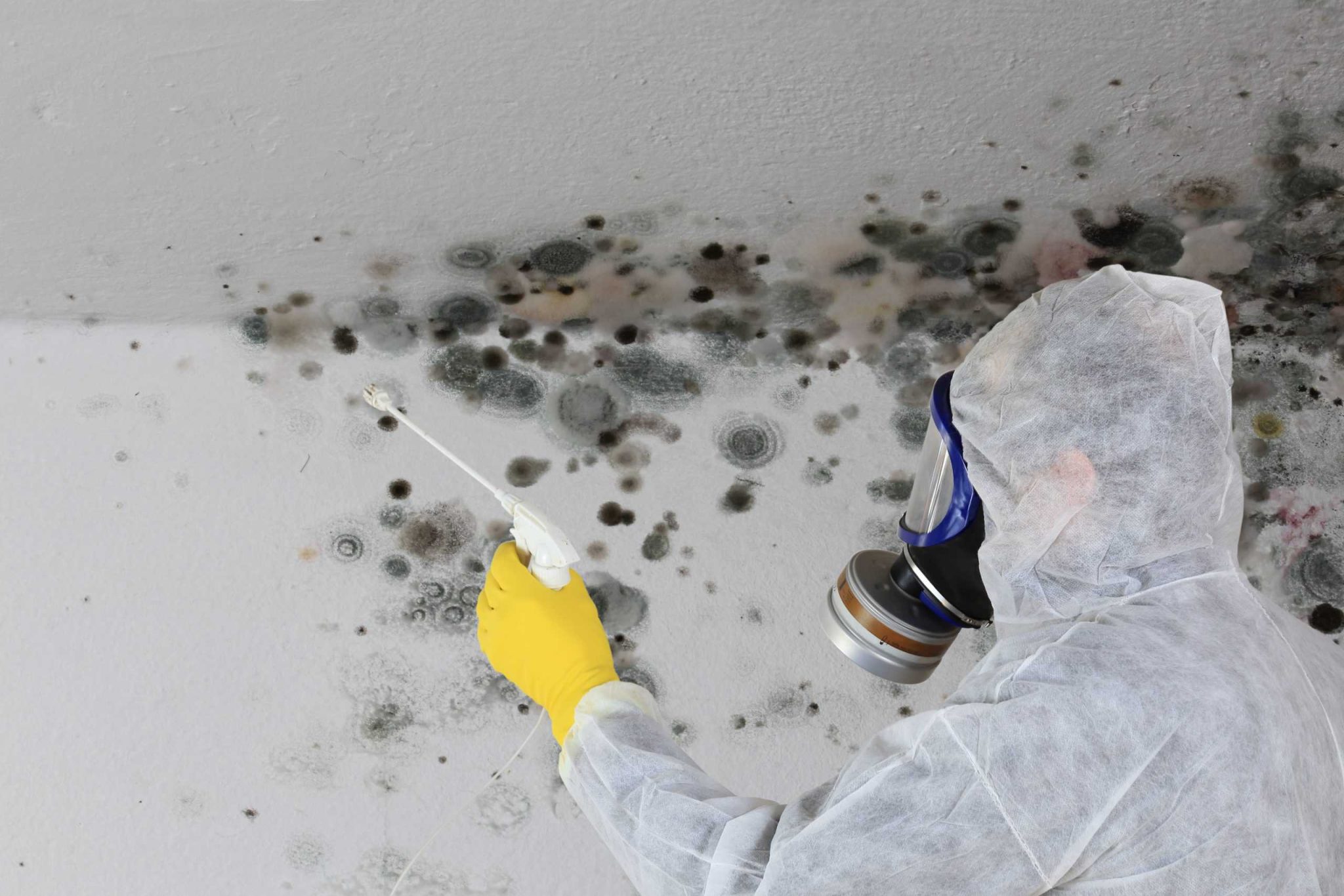
The honest answer is: more often than most people realize, yes. Every home in Indian Creek was built between 1952 and 1958, and local HVAC contractors who work in this area regularly note that Levittown homes often still have original or early-replacement ductwork. Even when the ductwork has been partially updated, the underlying conditions pre-vapor-barrier crawl spaces, aging infrastructure, and Bucks County’s consistently humid climate create an environment where moisture infiltrates duct systems over time and mold follows.
If your home has had multiple owners over the past seven decades, the duct cleaning history is almost certainly unknown. That’s not a knock on previous owners it just means you’re inheriting a maintenance gap that’s worth addressing. A free inspection from a certified mold specialist gives you a clear picture of what’s actually in your system before you decide whether cleaning is warranted. You don’t have to guess, and you don’t have to commit to anything before you have real information.
The most common sign is a musty smell that appears specifically when your HVAC system kicks on not a general musty smell in the basement or closet, but one that circulates through the house when air starts moving. That smell is often mold or mildew being pushed through the duct system. Other signs include visible discoloration around vent registers, worsening allergy or respiratory symptoms that seem tied to being inside the home, and a history of water intrusion anywhere near the HVAC system.
In Indian Creek specifically, the pre-vapor-barrier construction in Levitt-era homes means moisture is migrating upward from below-grade areas continuously not just after a flood or a pipe break. That slow, ongoing moisture exposure creates conditions in aging ductwork where mold can establish itself without any single obvious event triggering it. The only way to know for certain is a professional inspection that includes lab testing of samples from the duct system. We do exactly that and the inspection is free, so there’s no financial barrier to finding out what you’re dealing with.
Air duct cleaning is the mechanical process physically removing dust, debris, and biological buildup from inside the ductwork using professional equipment. Air duct sanitizing is what comes after: applying an antimicrobial treatment to the interior surfaces of the ducts to eliminate mold spores, bacteria, and other biological contaminants that the mechanical cleaning alone can’t fully address.
For a routine maintenance clean in a newer home with no moisture history, mechanical cleaning may be sufficient. But in an Indian Creek home where aging construction has allowed ground moisture to migrate into the duct system over decades, finding mold in the ducts and only mechanically cleaning it is like wiping the surface of a problem without treating the root. The mold spores that remain on duct surfaces after cleaning can recolonize quickly, especially when the underlying moisture conditions haven’t changed. Sanitizing addresses what’s left behind and significantly reduces the chance that the problem returns on the same timeline. We evaluate both steps during the inspection and recommend sanitizing when the conditions warrant it not as an automatic upsell.
Yes and that’s what makes mold in an HVAC system a different problem than mold in a single room. Your duct system connects every room in the house. When mold is growing inside the ductwork, every heating or cooling cycle moves air past that mold and carries spores through every supply vent in the home. A mold problem that started in one section of the duct system can effectively become a whole-house air quality issue without any visible mold appearing on walls or ceilings.
This is also why it matters who does the cleaning. A general duct cleaning technician who isn’t trained in mold containment can disturb mold growth inside the ducts and actually accelerate spore distribution during the cleaning process. We approach duct cleaning with the same containment protocols used in full mold remediation jobs establishing barriers so that the cleaning process doesn’t spread what it’s supposed to be removing. For Indian Creek homeowners who’ve already had mold remediated elsewhere in the house, checking the ductwork is a step that’s easy to overlook and costly to skip.
Industry guidance generally points to every three to five years for routine maintenance cleaning. But that interval assumes you know the starting point meaning you have a documented baseline from a prior cleaning. For most Indian Creek homeowners, that baseline doesn’t exist. When you’re buying or living in a home that’s had three or four owners over 70 years with no documented duct maintenance history, the first step isn’t scheduling a routine cleaning on a cycle. It’s getting an inspection to understand what you’re actually working with.
After that baseline is established, the right cleaning interval for a Levittown-era home in Bucks County may be shorter than the national average, given the persistent humidity, the pre-vapor-barrier construction, and the age of the ductwork itself. If your home has had any water intrusion events a basement flood, a slow pipe leak, HVAC condensate drain issues those are independent triggers for inspection regardless of when the last cleaning occurred. Our free inspection is the right starting point for any Indian Creek homeowner who doesn’t have a clear maintenance record to reference.
Dryer vent cleaning is a fire safety service, not a comfort upgrade. The National Fire Protection Association reports close to 16,000 dryer-related house fires per year in the U.S., and the leading cause by a significant margin is failure to clean the dryer exhaust duct. Lint accumulates in the vent over time, restricts airflow, and creates the conditions for a fire.
In Indian Creek’s housing stock, this risk is worth taking seriously for a specific reason. Homes built in the 1950s often have dryer vent runs that don’t meet current standards longer runs, more bends, and aging flex duct that traps lint more efficiently than rigid duct. Some of these systems have been partially modified over the years in ways that create additional restriction points. If your dryer is taking longer than usual to dry a load, running hot to the touch, or if you can’t remember the last time the vent was cleaned, those are signals worth acting on. We include dryer vent cleaning as part of our service offerings in Indian Creek and the broader Bristol Township area and given the age of the homes in this neighborhood, it’s rarely just a routine box to check.
Other Services we provide in Indian Creek