
Hear from Our Customers
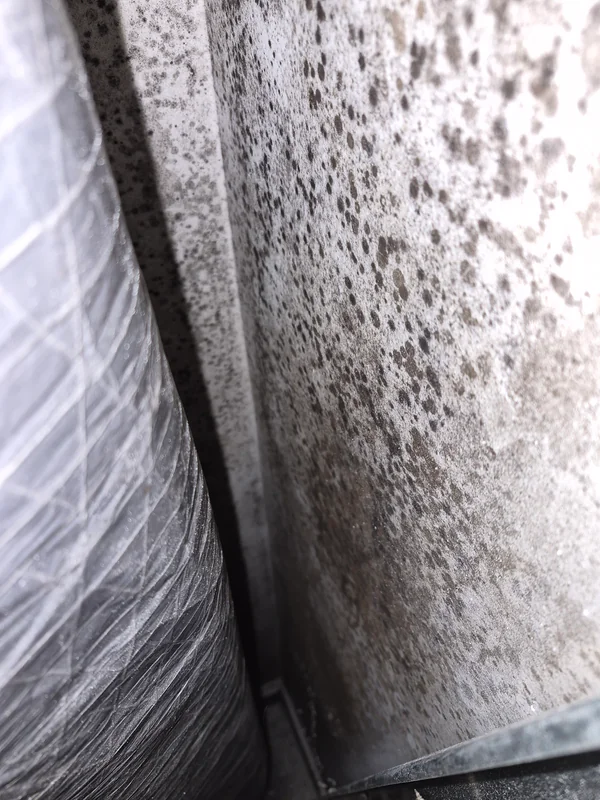
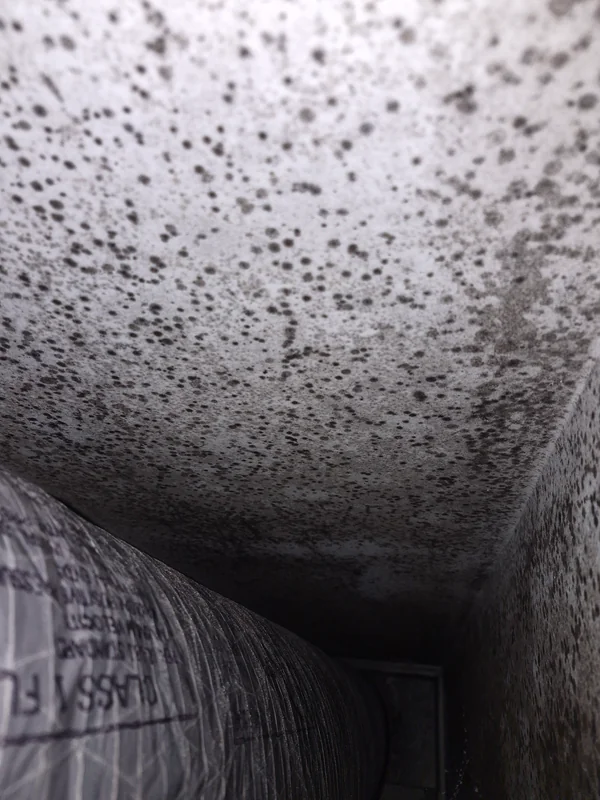
Most people don’t think about their air ducts until something tips them off a musty smell when the AC kicks on, allergies that won’t quit, or mold found elsewhere in the house that raises questions about the vents. By the time you notice, the problem inside your ductwork has usually been building for months or years.
Farm School sits within the Neshaminy Creek Watershed, which means the soil and groundwater beneath your home carry more persistent moisture than most of Bucks County. That moisture works its way into foundations, crawl spaces, and HVAC connections. Once it’s there, your ductwork becomes a dark, damp environment where mold colonizes from the inside out. Add in the organic particulate matter drifting over from the university’s working farmland, livestock facilities, and crop fields right next door, and your HVAC system is dealing with conditions no general duct cleaner is trained to assess.
After we clear your ducts, you’re not just getting less dust. You’re getting air that isn’t redistributing mold spores to every room in your house every time the system runs. That’s the difference between a cleaning and an actual fix.
We’ve been working in Bucks County for over 15 years. That means we’ve been inside homes in Farm School and Doylestown Township long enough to understand exactly how the area’s above-average rainfall, watershed soil conditions, seasonal humidity, and proximity to active agricultural operations affect what ends up growing inside HVAC systems here.
We’re based in Bensalem and serve all of Bucks County, including the Farm School area. We’re not a franchise. There’s no call center. When you reach out, you’re talking to the people who will actually show up and do the work. That matters when you’re dealing with something you can’t see and need to trust that someone is being straight with you.
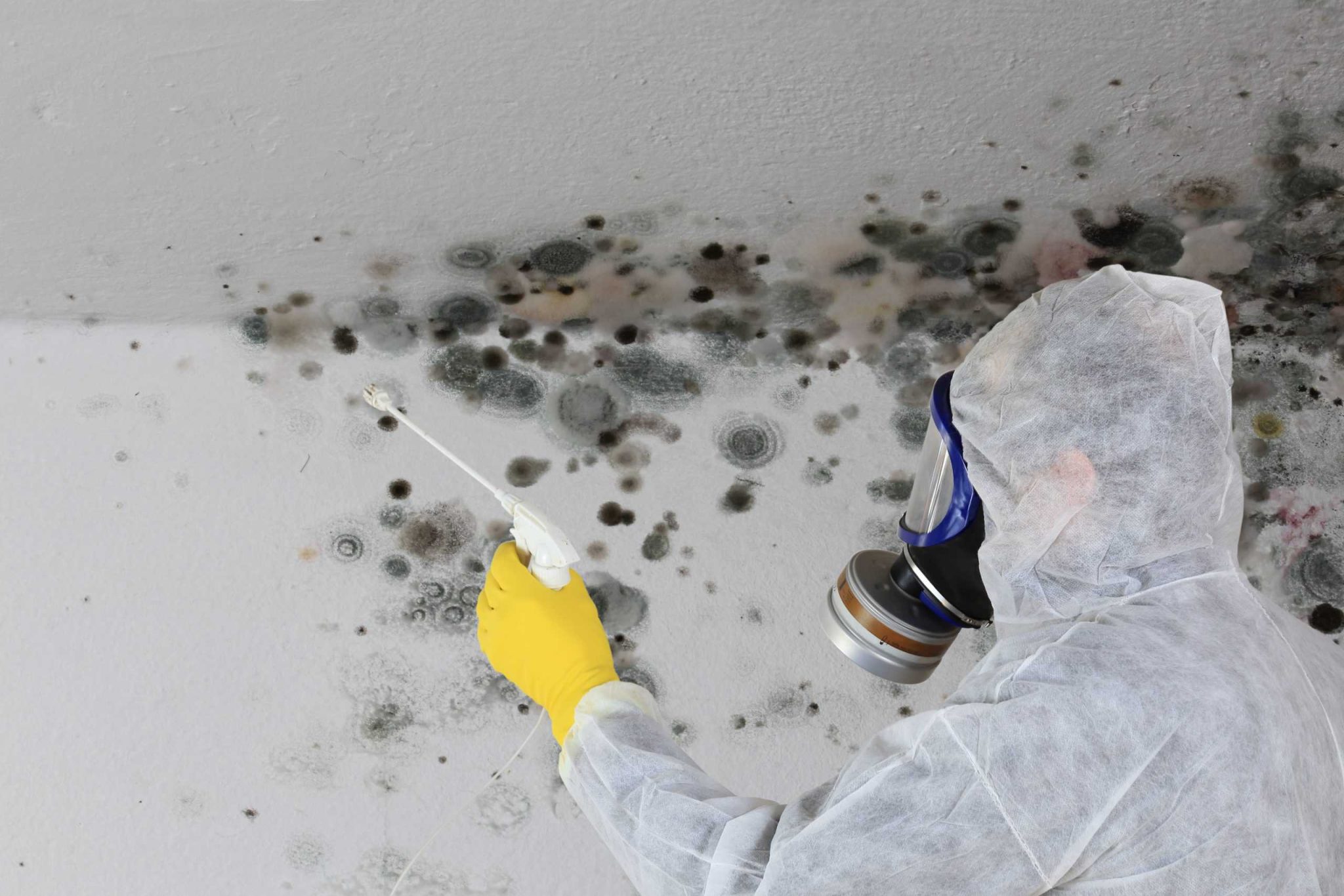
Our certified inspectors bring mold remediation training to every air duct job because when mold is involved, a shop vac and a truck aren’t enough. We contain it, remove it, and then test to confirm it’s gone.

It starts with a free inspection. Before anything is quoted or scheduled, we look at what’s actually happening inside your system not just at the registers, but deeper into the ductwork where the real issues hide. For older homes in the Farm School area and throughout Doylestown Township, that inspection often turns up conditions that have been developing for years: deteriorating duct joints, moisture infiltration from crawl spaces, or biological growth that a basic visual check would miss entirely.
Once we know what we’re dealing with, we walk you through what we found and what needs to happen. If mold is present, we don’t just clean around it we use proper containment protocols before any work begins, so spores aren’t disturbed and spread through the rest of your home. That step alone separates a mold remediation specialist from a standard duct cleaning crew. The mechanical cleaning itself typically takes four to six hours for a full home.
After the work is done, we test. That’s not standard practice in this industry, but it’s how we operate. You get confirmation that the mold is gone not just our word for it, but actual post-remediation verification. If you’re also due for dryer vent cleaning, we handle that in the same visit. In older Farm School homes with longer or more complex vent runs, that’s a fire safety issue worth taking seriously.
Ready to get started?
Air duct cleaning and air duct sanitizing are not the same service, and in the Farm School area, that distinction matters. Mechanical cleaning removes the physical buildup dust, debris, organic particulate matter from the agricultural environment nearby. Sanitizing applies an antimicrobial treatment after cleaning to address remaining biological contamination and reduce the chance of regrowth. When mold is confirmed or suspected in your ductwork, both steps are part of a complete job.
Every service starts with a certified inspection and upfront pricing before any work begins. No surprise charges, no upsells after the fact. If your home has experienced water intrusion, a previous mold issue, or you’ve simply never had the ductwork looked at which is common in the older housing stock throughout Doylestown Township the inspection will tell you exactly what you’re working with. We also work directly with insurance companies when mold in the HVAC system is part of a broader claim, which saves you the back-and-forth when you’re already dealing with enough.
Dryer vent cleaning is available as part of the same service call. Given that the NFPA ties the majority of dryer-related house fires directly to clogged vents, it’s worth addressing while we’re already there especially in homes where the laundry setup hasn’t been updated in years.

It’s a fair question, and the honest answer is yes it does. Delaware Valley University operates over 1,000 acres of active agricultural land, livestock facilities, and equine operations right in the Farm School area. Agricultural environments generate a higher-than-average volume of airborne organic particulate matter: soil particles, plant debris, animal dander, hay dust, and naturally occurring mold spores from decomposing organic material. Your HVAC system pulls outdoor air in through intakes, and those particles come with it.
On their own, these particles are just buildup. But when you combine them with Bucks County’s above-average humidity and the Neshaminy Creek Watershed’s persistently elevated soil moisture both real conditions in this specific area that organic material inside your ductwork becomes a growth medium for mold. A general duct cleaner isn’t trained to assess that risk. We are, and that’s the difference between a cleaning that addresses the symptom and one that addresses what’s actually causing it.
Mechanical air duct cleaning removes the physical material that has accumulated inside your ductwork dust, debris, lint, and whatever organic matter has built up over time. It’s done with professional equipment that creates negative air pressure inside the system, pulling contaminants out rather than pushing them further in. That process alone is meaningful maintenance, but it doesn’t address biological contamination.
Air duct sanitizing is the step that follows cleaning when mold or bacteria are involved. It applies an antimicrobial treatment to the interior surfaces of the ductwork to eliminate remaining biological material and inhibit future growth. In the Farm School area, where the combination of agricultural particulate matter, watershed moisture, and older housing stock creates above-average mold risk in HVAC systems, sanitizing isn’t an optional add-on it’s what makes the cleaning complete. If you’ve confirmed mold anywhere in your home, or if your system has a history of moisture exposure, you need both steps. If you’re doing routine maintenance on a system with no known issues, cleaning alone may be sufficient. The inspection will tell you which situation you’re in before any work is quoted.
Mold in air ducts doesn’t always announce itself clearly, which is what makes it easy to miss for a long time. The most common sign is a musty or stale smell that appears specifically when your HVAC system is running not when the house is just closed up, but when air is actively moving through the vents. If the smell fades when the system shuts off, the ductwork is a likely source.
Other signs include worsening allergy or respiratory symptoms that seem tied to time spent indoors, visible discoloration or dark residue near vent registers, or a history of moisture issues elsewhere in the home a wet basement, a roof leak, or previous mold found on walls or ceilings. In Doylestown Township’s older housing stock, where original basements often lack modern vapor barriers and ductwork may run through unconditioned crawl spaces, moisture finds its way into the system more easily than in newer construction. If you’ve had mold remediated anywhere else in the house and haven’t had the ducts inspected, that’s reason enough to get a look.
Yes, and it does so efficiently. Your HVAC system is designed to move air to every room in the house, which means a single section of mold-contaminated ductwork can distribute spores throughout the entire living space every time the system cycles on. That’s what makes mold in ductwork different from mold in a single room it’s not contained, it’s being actively circulated.
This is also why the cleaning approach matters. A general duct cleaning company that disturbs mold without containment protocols in place can make the problem significantly worse by releasing a concentrated cloud of spores into the system before they’re captured. We use proper containment before any work begins, which is standard practice in mold remediation but not in general duct cleaning. For Farm School homeowners who’ve already had mold addressed in a basement, crawl space, or on walls, having the HVAC system inspected is a critical step because untreated mold in the ducts can recontaminate a remediated space through normal system operation.
The general industry guidance is every three to five years for routine maintenance, but that range assumes average conditions. Bucks County doesn’t have average conditions. The area receives around 49 inches of rain annually well above the national average of 38 inches and the Neshaminy Creek Watershed means homes in Doylestown Township sit in a hydrologically active environment where soil moisture stays elevated year-round. Those conditions push the realistic cleaning interval closer to the shorter end of that range for most homes here.
There are also situations where waiting for a scheduled interval doesn’t make sense. If you’ve had any water intrusion a flooded basement, a roof leak, a burst pipe the HVAC system should be inspected promptly, regardless of when it was last cleaned. The same applies after any mold remediation elsewhere in the home, after buying a property that hasn’t had the ductwork serviced in years, or when allergy or respiratory symptoms are worsening without a clear explanation. In the Farm School area specifically, homes adjacent to the Delaware Valley University agricultural operations may benefit from more frequent cleaning simply due to the elevated organic particulate load entering the system through outdoor air intakes.
The biggest red flag in this industry is the low-ball offer the $99 whole-house air duct cleaning advertised online or through a flyer. That price point is well-documented as a bait-and-switch tactic: a technician arrives, finds reasons to charge for additional services, and the final bill looks nothing like the original quote. A legitimate, professional air duct cleaning job for a full home takes four to six hours and requires specialized equipment. It cannot be done properly for $99.
Beyond pricing, look for a company that will show you what they found before they start work ideally with photos or a visual inspection and that gives you a written quote you can hold them to. Ask whether they use containment protocols if mold is suspected, because a company that doesn’t know what containment means is not equipped to handle biological contamination safely. In the Doylestown area, you’ll find a mix of carpet cleaning companies that added duct cleaning as a side service, national franchise operations, and specialists. We’re the latter a certified mold remediation company that brings that training to every HVAC job, with free inspections and upfront pricing before any work begins.
Other Services we provide in Farm School