
Hear from Our Customers
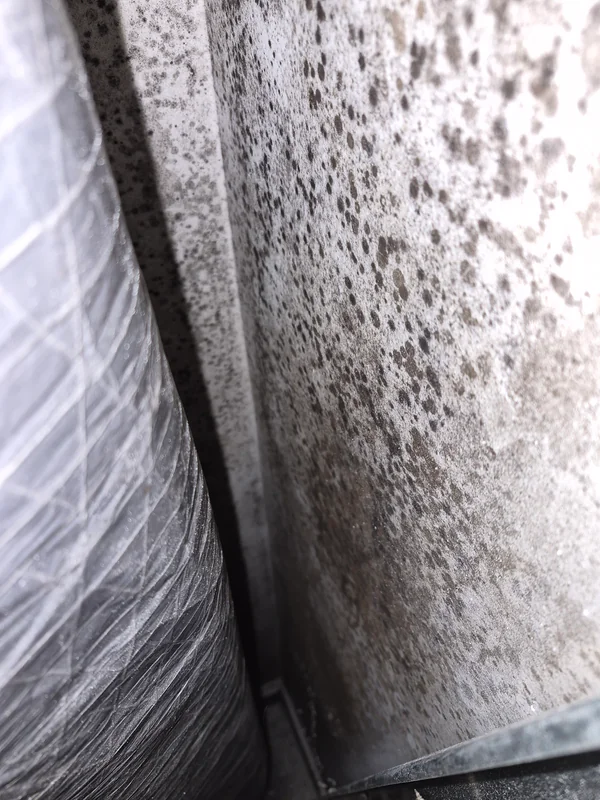
When your HVAC system runs clean, you stop redistributing whatever’s been growing inside it. No more musty smell when the heat kicks on. No more wondering why your allergies are worse inside than out. For families with young kids, people with asthma, or anyone who’s already dealt with mold somewhere else in the house getting the ducts right is what actually completes the job.
Fairmount’s housing stock makes this more urgent than it sounds. A significant portion of homes in this neighborhood were built before the 1940s long before forced-air ductwork was standard. When HVAC systems were retrofitted into these narrow rowhouses, the ductwork got squeezed into floor cavities and closet chases that were never designed for it. Joints that don’t seal properly. Sections running through unconditioned spaces. Corners where condensation sits. That’s not a maintenance issue it’s a structural mismatch that creates ideal conditions for mold to colonize quietly over years.
Add the Schuylkill River running along Fairmount’s western edge and Philadelphia’s outdoor humidity averaging around 68%, and your HVAC system is working against moisture year-round. When the ductwork isn’t cleaned and inspected, it stops being the solution and starts being the problem. Getting it professionally cleaned by someone who actually understands mold, not just dust means your system is working for you again.
We’ve been doing this work for over 15 years across Bucks, Montgomery, Delaware, Chester, and Philadelphia Counties. We’re based in Bensalem, and Fairmount falls squarely within our Philadelphia County service area this isn’t a stretch of the territory, it’s a regular part of the work.
What separates us from the general duct cleaning companies you’ll find online is the mold background. We’re certified mold remediation specialists not HVAC generalists who added duct cleaning to the menu. That distinction matters when your home is a pre-war rowhouse off Fairmount Avenue or a converted multi-family near Girard College, where the ductwork configuration and moisture conditions are nothing like a new suburban build.
When you call, you’re reaching a real person. When the job gets done, it gets verified we test affected areas after cleaning to confirm the mold is actually gone, not just assumed to be. That’s documented proof, not a handshake and a receipt.
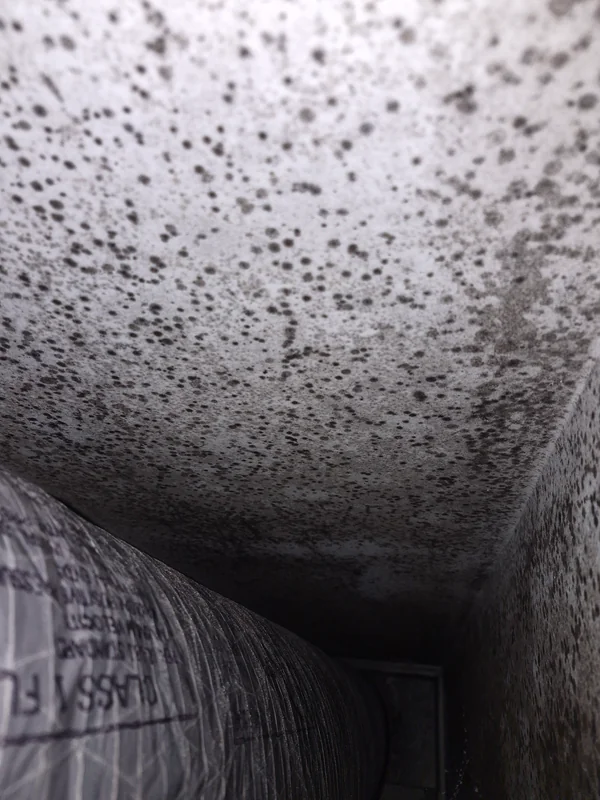
It starts with a free inspection. Before anything gets cleaned, we look at the system properly. In Fairmount’s older housing stock, that means checking the ductwork configuration specific to your building: where it runs, how it’s sealed, whether there’s visible mold growth or just the conditions that produce it.
If mold is found, we send samples to a lab to identify exactly what you’re dealing with and inform the right removal approach. Once the inspection is complete and you have a clear picture of what’s in your system, the cleaning begins.
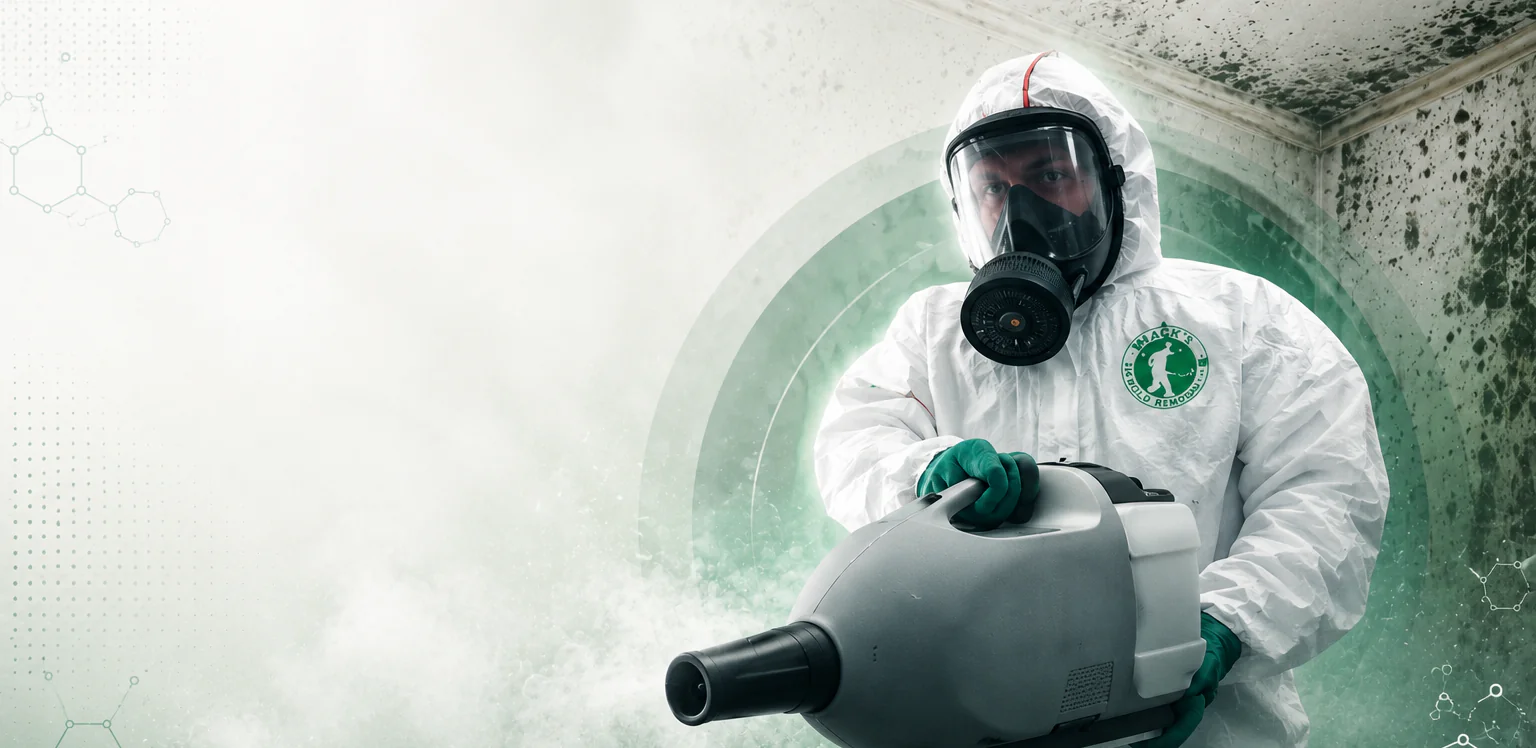
This isn’t a shop-vac-and-done situation. Professional air duct cleaning uses negative air pressure equipment and HEPA filtration to pull contaminants out of the system without pushing them into your living space. When mold is involved, proper containment protocols are in place before anything gets disturbed because disturbing mold in a duct system without containment can spread spores to every room simultaneously. That’s the part most general duct cleaners skip.
After the cleaning, we test the affected areas again. If the results confirm the mold is gone, you get documentation. If something’s still showing up, the job isn’t done. Fairmount’s proximity to the Schuylkill and Philadelphia’s aging combined sewer system mean that some homes have dealt with recurring moisture events and those homes especially benefit from having a verified clean baseline on record.
Ready to get started?
Air duct cleaning is the core of what brings most people to us but it’s rarely the only thing a Fairmount home needs. We offer mold inspection and testing, post-remediation cleanup, air duct sanitizing, and dryer vent cleaning, and they tend to work together in homes where moisture has been an ongoing issue.
Air duct sanitizing goes a step further than mechanical cleaning. After the physical debris and mold are removed, we apply an antimicrobial treatment to the interior duct surfaces to address any remaining biological contamination. For homes that have had confirmed mold in the system or that have experienced basement flooding from one of Philadelphia’s sewer overflow events this extra step is worth having documented.
Dryer vent cleaning is something Fairmount rowhouse owners should take seriously for a specific reason: in narrow, multi-story buildings, dryer exhaust vents often run long horizontal distances through interior walls before they exit the building. Long horizontal runs accumulate lint faster than short vertical ones, and lint buildup is the leading cause of dryer fires. The NFPA documents nearly 16,000 dryer-related house fires per year nationwide. In a dense rowhouse block where a fire in one unit can spread through shared walls to adjacent homes, this isn’t optional maintenance it’s a neighborhood safety issue. We handle it as part of a complete indoor air quality picture, not as an afterthought.
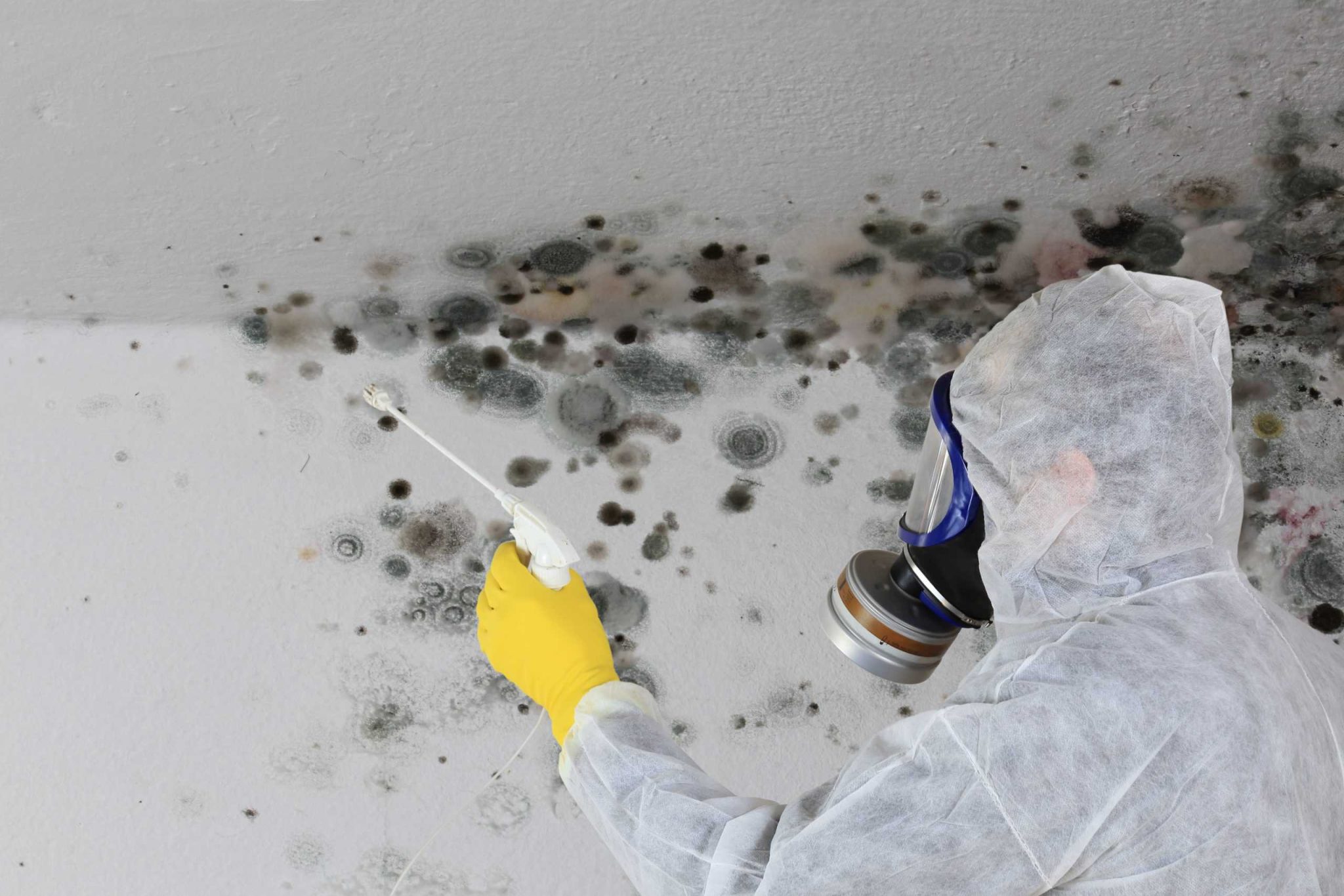
Yes, and it’s not just about visible flooding. The Schuylkill River runs along Fairmount’s western edge, and its proximity raises the ambient moisture baseline in the surrounding area. Philadelphia’s outdoor average humidity is already around 68% well above the 50% indoor threshold where mold growth accelerates.
When you add river proximity and the documented flood risk along Kelly Drive and Boathouse Row, basements in this part of the city are under chronic moisture pressure even when there’s no dramatic water event. That moisture doesn’t stay in the basement. It rises through the home and enters the return air path of your HVAC system. When the air handler pulls return air from a damp basement or a wall cavity with moisture infiltration, it carries that moisture into the ductwork where it condenses on interior surfaces and gives mold exactly what it needs.
If your Fairmount home is within a few blocks of the river or has ever had any basement moisture, getting the duct system professionally inspected is a reasonable first step, not an overreaction.
The most common sign is a musty smell that appears specifically when your HVAC system runs and disappears when it’s off. That pattern is a strong indicator that the smell is coming from inside the duct system, not from a surface you can clean. Other signs include visible discoloration around supply registers, worsening allergy or respiratory symptoms that seem worse at home than outside, or a history of basement moisture or flooding in the home.
The honest answer is that you can’t confirm mold in your ducts without an inspection. The contamination is almost always in the interior sections of the ductwork not at the register where you can see it. By the time you’re seeing discoloration at the vent cover, the problem inside the system is usually more significant than what’s visible. We use lab testing to identify exactly what’s present and where, so you’re not guessing and not paying for work you don’t actually need.
It can, and this is one of the more underappreciated risks of rowhouse living. Fairmount’s attached homes share foundation walls and party walls with adjacent properties. Moisture doesn’t stop at a property line it moves through shared masonry. If a neighboring unit has an unresolved basement leak, a plumbing issue, or an untreated mold colony in a shared wall cavity, that moisture can migrate into your wall structure and from there into the spaces your HVAC system draws from.
With over 61% of housing units in the Fairmount area renter-occupied, maintenance standards across adjacent units vary considerably. You can keep your own home in excellent condition and still be affected by what’s happening next door. This is one reason why post-cleaning lab verification matters in this neighborhood specifically it gives you documented proof that your air is clean regardless of what’s happening on the other side of the wall, which is also useful if you’re a landlord managing a unit and need to demonstrate habitability to a tenant.
For most homes, a thorough professional air duct cleaning takes somewhere between four and six hours. Older Fairmount rowhouses with retrofitted ductwork running through floor cavities and tight interior chases can run toward the longer end of that range. The configuration of the duct system matters: more bends, more access restrictions, and more sections running through unconditioned spaces all add time to the job.
When mold is confirmed in the system, the job takes longer than a routine cleaning because proper containment has to be set up before anything gets disturbed, and the post-cleaning testing adds time at the end. A job that’s done in 90 minutes almost certainly wasn’t done correctly. Professional cleaning requires negative air pressure equipment, HEPA filtration, and a systematic approach to both supply and return ducts not just the registers you can see from the floor.
They’re two separate steps, and whether you need both depends on what’s in your system. Air duct cleaning is the mechanical process using negative air pressure and HEPA filtration to physically remove debris, dust, and mold from inside the ductwork. Air duct sanitizing comes after that: we apply an antimicrobial treatment to the interior duct surfaces to address any remaining biological contamination that the mechanical cleaning can’t fully reach.
For homes where mold has been confirmed in the duct system, sanitizing is generally the right call after cleaning. The mechanical step removes the visible colony and the bulk of the contamination, but the sanitizing treatment addresses residual spores and biological material on duct surfaces. For a Fairmount home that has dealt with recurring moisture from basement events or river-adjacent humidity, having both steps completed and documented gives you a verified clean baseline which matters both for your family’s health and for the home’s value if you’re ever in a position to sell or rent.
Yes. We work directly with insurance companies to help navigate the claims process and this comes up more often than people expect in Philadelphia County. When air duct contamination is connected to a covered event like a basement flood from a sewer backup or water damage from a storm, the remediation and cleaning work may be partially or fully covered under a homeowner’s policy.
Fairmount’s proximity to the Schuylkill and Philadelphia’s aging combined sewer system mean that water-related claims are not uncommon in this neighborhood. Having a mold remediation company that understands how to document the damage, communicate with adjusters, and keep the process moving is genuinely useful it removes a significant administrative burden at a time when most homeowners are already dealing with enough. We have 15+ years of experience handling exactly this kind of situation across Philadelphia County, so the insurance piece isn’t new territory. If you’re unsure whether your situation qualifies, the free inspection is a reasonable starting point before you make any decisions.
Other Services we provide in Fairmount