
Hear from Our Customers
Most East Passyunk homeowners don’t think about their ductwork until something forces the issue a musty smell when the AC kicks on in July, worsening allergies that don’t make sense, or a home inspector’s report that raises more questions than it answers. By the time you notice something, the problem has usually been building for a while.
The pre-1939 rowhouses that define East Passyunk were retrofitted with forced-air HVAC long after they were built. That means duct runs squeezed through tight wall cavities, air handlers sitting in damp South Philly basements, and return registers placed too far from the rooms they serve creating stagnant zones where humidity pools and mold takes hold.
Philadelphia’s summers regularly push relative humidity past 70%, and that moisture has to go somewhere. In a rowhouse, it often ends up in your ductwork. Getting your ducts properly cleaned and inspected means you know what’s actually circulating through your home every time the system runs. It means the musty smell gets traced to its source instead of masked.
For families with young kids and East Passyunk’s school enrollment has grown significantly as more young families move in it means you’re not guessing about what your household is breathing.
We’re based in Bensalem, PA, and have been doing mold inspection and remediation work across the Philadelphia region for over 15 years. Our team has completed more than 2,000 mold inspections throughout Philadelphia, including throughout South Philadelphia’s rowhouse corridors East Passyunk, Passyunk Square, Bella Vista, and the surrounding neighborhoods.
That experience matters here because a pre-war South Philly rowhouse is not a suburban colonial. The moisture dynamics are different. The construction is different. Shared party walls mean a problem next door can become your problem without any warning.
We understand how brick basements hold humidity, how narrow floor plans create dead zones where air stagnates, and how ductwork retrofitted into a 90-year-old building behaves differently than modern construction. When you call us, you’re not talking to a call center. The inspection is free, the pricing is upfront, and we work directly with insurance companies if a claim is involved.

It starts with a free inspection. Before any cleaning begins, one of our certified specialists walks your home and assesses the full HVAC system not just the visible registers, but the ductwork runs, the air handler, the drain pan, and the areas most likely to harbor mold in a South Philadelphia rowhouse.
That means checking the basement where your furnace or air handler likely sits, the duct runs along shared walls, and any areas where the system shows signs of moisture intrusion or restricted airflow. From there, if cleaning is warranted, we use professional-grade equipment negative air pressure systems and HEPA-rated vacuums that contain what’s being removed rather than redistributing it through your home.
This matters especially in mold situations. Disturbing mold without proper containment spreads spores. A general duct cleaner with a shop-vac doesn’t account for that. We do, because mold remediation is the core of what we do.
After the cleaning is complete, we test the affected areas to confirm the mold is actually gone not just displaced. You get lab-verified results, not a handshake and a promise. Philadelphia summers will keep testing your HVAC system every year, so knowing the job was done right matters more than a low entry price.

Ready to get started?
Air duct cleaning is our core service, but in East Passyunk’s rowhouse stock, two related services come up consistently enough that they’re worth understanding before you call.
Dryer vent cleaning is one of them. Restoration specialists who work throughout South Philadelphia have documented a widespread construction deficiency in this area: dryer vents in older rowhouses are frequently routed under the roof deck rather than to the exterior. That misrouting traps lint inside the building and holds warm, moist exhaust air against the roof structure which feeds mold and creates a documented fire hazard.
The NFPA reports nearly 16,000 dryer-related house fires annually in the U.S., with failure to clean vents as the leading cause. If your rowhouse has never had its dryer vent inspected and cleaned, that’s worth knowing.
Air duct sanitizing is the other. Cleaning removes the physical debris and mold from your ductwork. Sanitizing applies an antimicrobial treatment afterward to address any remaining biological contamination. When mold has been present in the system, cleaning alone isn’t always enough sanitizing is the step that closes the loop.
We offer both services, and the free inspection will tell you which combination your specific home actually needs. No named packages, no upsell pressure just an honest assessment of what’s in your system and what it takes to fix it.
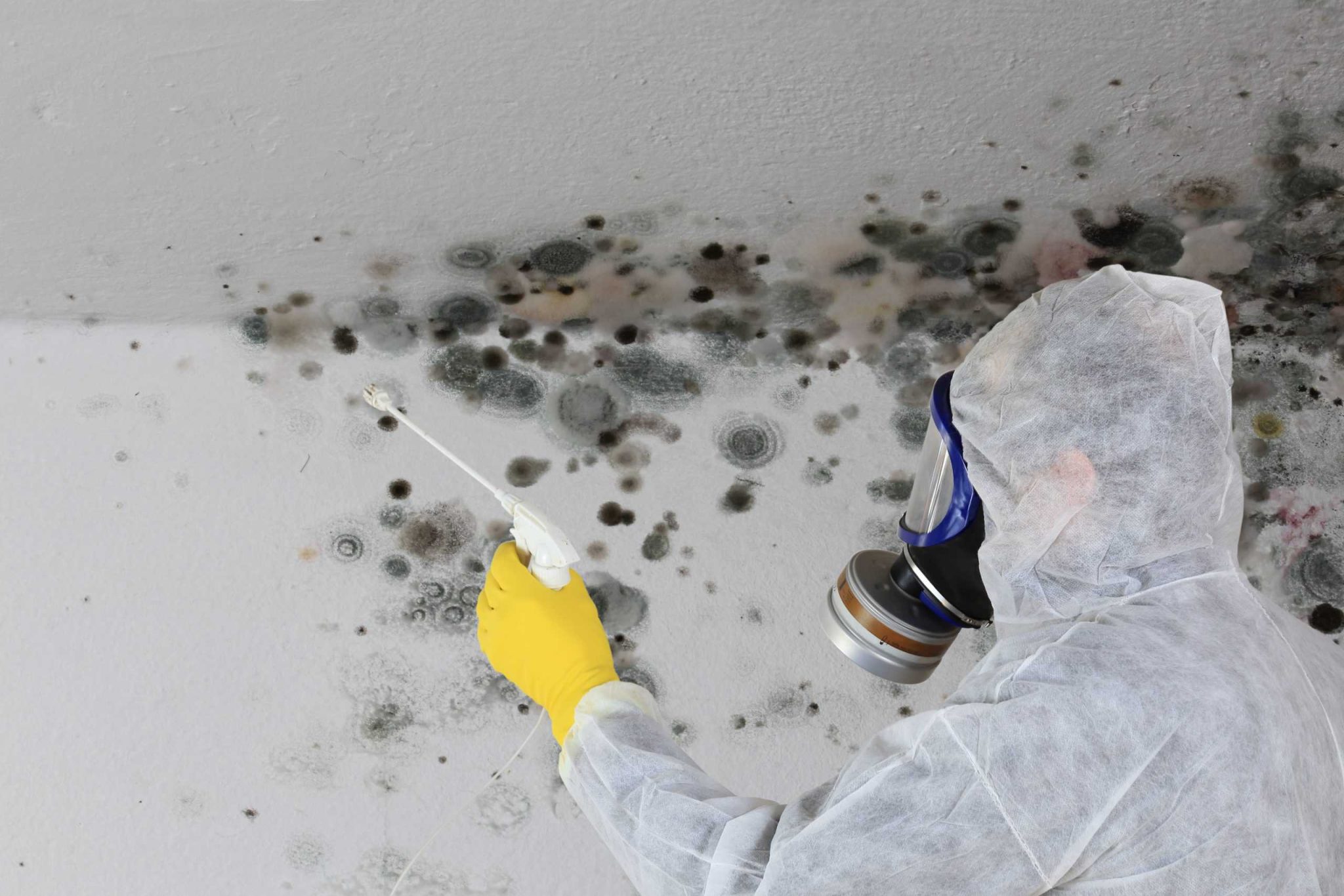
The most common sign is a musty smell that appears specifically when your HVAC system turns on not a general basement smell, but one that travels through the vents and shows up in rooms throughout the house. In East Passyunk’s pre-1939 rowhouses, this is particularly common because the ductwork often runs through damp basements and along exterior walls where condensation forms.
If you’ve also noticed worsening allergy or respiratory symptoms that seem to ease when you’re outside or away from home, that’s another indicator worth taking seriously. The honest answer is that you can’t fully confirm mold in your ducts without an inspection. Mold grows in the interior sections of ductwork not at the register where you can see it.
By the time you spot visible discoloration near a vent, the problem has typically been developing for a while. Our certified inspection includes lab testing of samples when mold is suspected, so you get a definitive answer rather than a guess.
This is a fair question, and the honest answer depends on your situation. The EPA takes a nuanced position on routine duct cleaning they don’t recommend it as a blanket maintenance item for every home. But they do explicitly recommend cleaning when mold has been confirmed in the system, when there’s evidence of pest or rodent activity in the ductwork, or when significant debris is clogging registers and airflow.
Those aren’t edge cases in East Passyunk they’re common findings in pre-war rowhouses with aging HVAC systems and damp basements. If your ducts are clean and dry and your system is functioning normally, routine cleaning may not move the needle much. But if you’re in a South Philadelphia rowhouse that’s been accumulating moisture for decades, with a shared party wall and an air handler in a basement that gets wet every spring, the calculus is different.
The free inspection is the honest starting point it tells you what’s actually there before you commit to anything.
In an attached rowhouse, yes and this is one of the more underappreciated risks in East Passyunk specifically. Your home shares masonry party walls with the properties on both sides. Moisture from a neighboring home a wet basement, a leaking flat roof, a dryer vent exhausting into the attic space can migrate through shared brick into your wall cavities over time.
You don’t have to have a water problem of your own to end up with one. When that moisture reaches the areas where your ductwork runs along shared walls or through the basement it creates the conditions mold needs to establish itself. The HVAC system then does the rest, distributing whatever is in the ducts to every room in the house each time it runs.
This is a uniquely rowhouse dynamic that doesn’t apply to detached suburban homes, and it’s one of the reasons our inspection process pays specific attention to duct sections running along party walls and through basement spaces.
They’re separate systems with separate risks. Air duct cleaning addresses the HVAC ductwork the supply and return lines that circulate heated or cooled air through your home. Dryer vent cleaning addresses the exhaust duct that carries hot, moist air and lint from your dryer to the outside.
In East Passyunk and the surrounding South Philadelphia rowhouses, dryer vents deserve specific attention because of a documented construction issue in the area: older rowhouses frequently have dryer vents routed under the roof deck rather than through an exterior wall. When that’s the case, lint and moisture accumulate inside the building instead of exhausting outside.
That creates both a fire risk lint buildup is the leading cause of dryer fires nationally and a mold risk, as the trapped moisture affects the roof structure and can migrate into attic spaces or ductwork above. Whether you need both services depends on what the inspection finds. We’ll assess your dryer vent routing as part of the process and give you a straight answer on what’s actually needed.
A thorough air duct cleaning typically takes four to six hours for most homes and that’s for a job done correctly, with both supply and return ducts addressed. In a South Philadelphia rowhouse, the timeline can vary depending on a few factors specific to older construction: how accessible the ductwork is, how the system was originally routed through the building, and whether mold or significant debris is found during the inspection that requires additional containment steps.
What you want to avoid is a company that promises a full cleaning in under two hours for a bargain price. That’s a red flag in any market, but especially here. Rowhouse ductwork is often harder to access than a standard suburban system ducts routed through tight wall cavities and retrofitted around existing structure take more time to clean properly.
A job that’s rushed or incomplete doesn’t solve the problem; it just moves it around. We won’t quote you a completion time before seeing the system, because the honest answer depends on what’s actually there.
Yes. We actively serve East Passyunk, Passyunk Square, and the broader South Philadelphia area, including the 19148 zip code. Philadelphia County is a core part of our service area, and we’ve completed mold inspections and remediation work throughout the South Philadelphia rowhouse corridor including neighborhoods along and adjacent to East Passyunk Avenue.
The reason this matters beyond just geography is familiarity. We’ve worked in enough pre-war South Philadelphia rowhouses to understand the specific conditions that come with them the damp basements, the narrow floor plans, the shared walls, the misrouted vents. That’s different from a company that lists your zip code on a service area page but has never actually worked in this type of housing stock.
The inspection is free, there’s no obligation, and we’re available 24/7 for urgent situations. If you’re in East Passyunk and have questions about your HVAC system or suspect mold in your ducts, the first step is just a call.
Other Services we provide in East Passyunk