
Hear from Our Customers
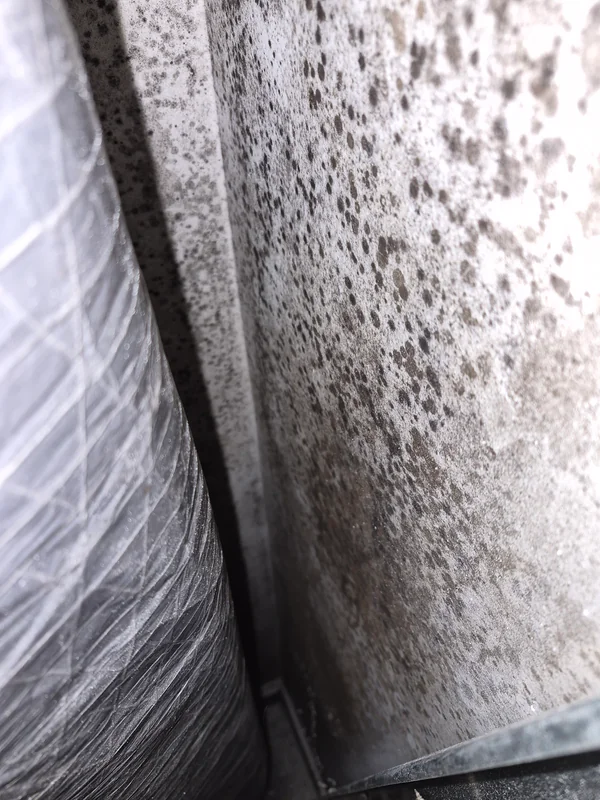
The most immediate thing most Chalfont homeowners notice is the smell or rather, the absence of it. That musty kick when the heat first comes on in October, or the stale edge in the air when the AC runs through a humid July, doesn’t have to be your normal. When mold and built-up biological contamination are removed from your ductwork by someone who actually knows how to handle it, the air coming through your vents stops working against you.
For homes near the Lenape Park area or in and around Chalfont’s historic district, this matters more than most people realize. Victorian and Colonial-era homes with ductwork that’s been patched and extended over decades carry decades of accumulated debris in places no homeowner can see. Cleaning those systems properly, with containment protocols doesn’t just improve air quality in the abstract. It removes a real, documented source of mold spores that gets redistributed to every room every time your HVAC runs.
If you have kids at home, that’s not a small thing. With roughly a quarter of Chalfont’s population under 18, most households here have children breathing whatever is circulating through those ducts. A clean system means you’re not constantly recirculating the same biological load through your living spaces.
We’ve been working in Bucks County homes for over 15 years long enough to understand what Pennsylvania’s wet climate does to ductwork, and specifically what it does in Chalfont, where the North Branch Neshaminy Creek and the main stem bracket the borough. That’s not a generic regional observation. It’s the reason Chalfont homes deal with groundwater saturation and basement humidity in ways that drier Bucks County communities simply don’t.
What separates us from a standard duct cleaning company is the mold certification behind our work. We already inspect and remediate mold in Chalfont homes our air duct cleaning service is an extension of that same expertise, not a separate trade. When a technician knows how mold spreads, how to contain it during removal, and how to verify through lab testing that it’s actually gone, the result is fundamentally different from what a general HVAC cleaner delivers.
We offer free inspections, upfront pricing, and 24/7 availability. No surprises on the back end just clear answers and scheduled work.
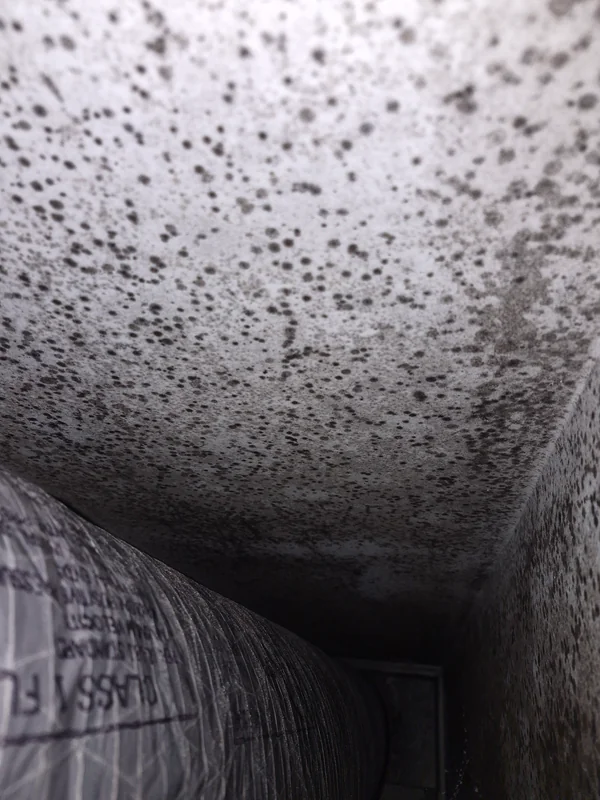
It starts with a free inspection. Before anything is quoted or scheduled, one of our certified inspectors looks at your system not just the registers you can see, but the interior duct sections where biological growth actually accumulates. For older homes in Chalfont’s historic district or the Chalfont Village area, that inspection often turns up conditions in seams, joints, and dead-end duct sections that haven’t been addressed in years. You get a clear picture of what’s there before any work begins.
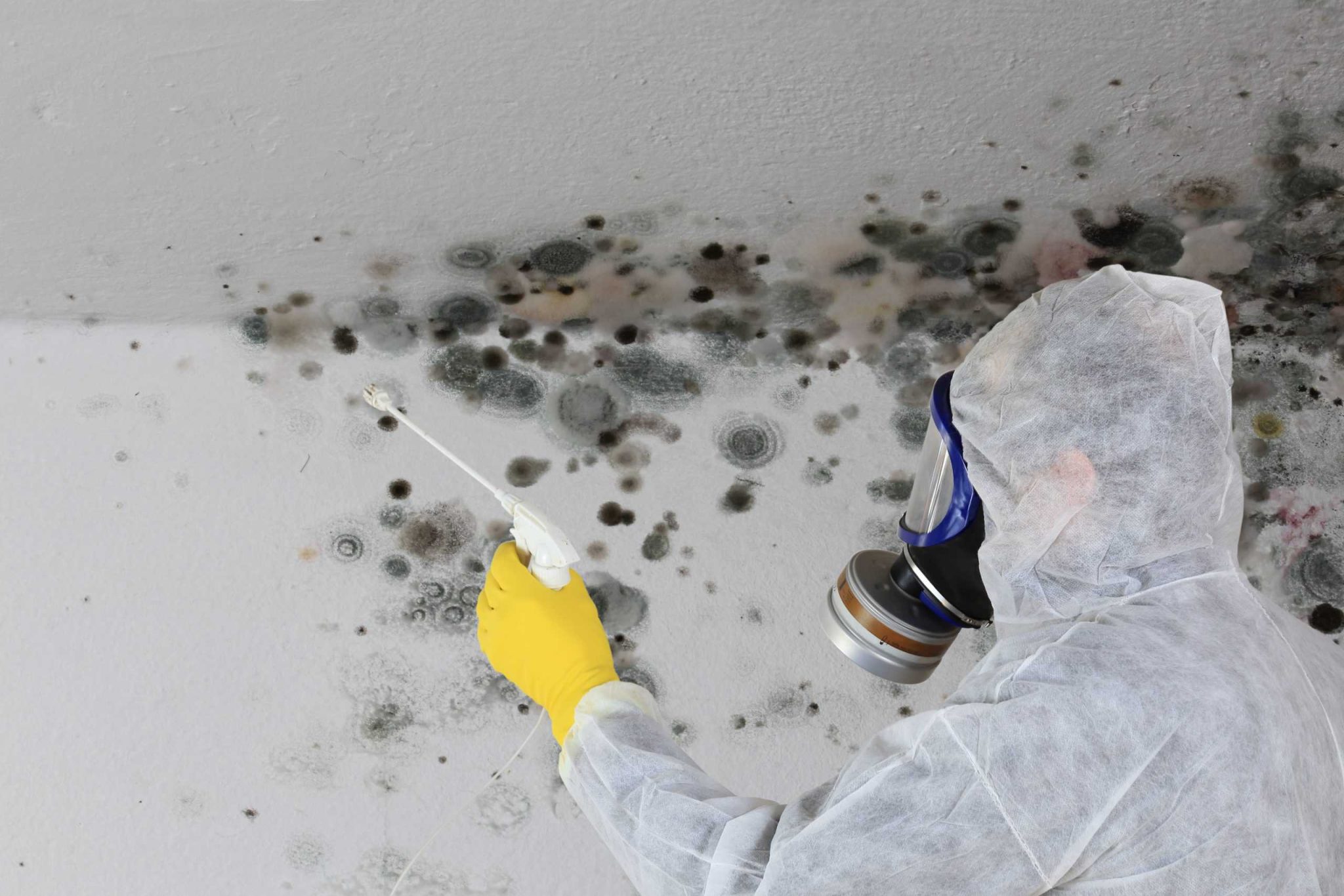
From there, the cleaning itself follows mold remediation protocols not just a vacuum and a bill. We use containment so that disturbed mold spores don’t migrate to other areas of your home during the process, mechanical removal using professional-grade equipment, and where mold is confirmed, air duct sanitizing to apply antimicrobial treatment after the physical debris is cleared. In a borough where creek proximity keeps ambient moisture elevated year-round, that sanitizing step matters mechanical cleaning alone doesn’t address the biological layer.
After the work is done, we test to confirm the mold is gone. That’s not standard practice in this industry most companies clean and leave. The post-cleaning verification is what gives Chalfont homeowners actual confidence in the result.

Ready to get started?
We handle the full range of what Chalfont homes typically need: HVAC duct cleaning, air duct sanitizing, dryer vent cleaning, and indoor air quality testing. These aren’t separate menus they’re connected services that often make sense together, particularly after a mold event or when a home’s ductwork hasn’t been professionally addressed in years.
The dryer vent cleaning piece is worth calling out specifically. Older homes in Chalfont particularly those in the historic district along Butler Avenue and North Main Street tend to have longer, more complex dryer vent runs than newer construction. More bends, more potential lint accumulation, more fire risk. The NFPA documents nearly 16,000 dryer-related house fires per year nationally, with failure to clean vents as the leading cause. For a Chalfont homeowner in an older property, that’s a service to schedule.
If you’ve recently had mold remediated elsewhere in your home a basement, a crawl space, a wall cavity the ducts are the logical next question. Mold spores travel through HVAC systems, and a remediated space with an uncleaned duct system is a recontamination waiting to happen. We can answer that question with the same certified process we bring to every mold job, backed by lab testing to confirm the result. We also assist with insurance claims for homeowners navigating a mold-related situation we work directly with insurance companies so you’re not managing that process alone.

The most common sign is a musty smell that appears specifically when your HVAC system kicks on not a general odor in the home, but one that comes through the vents. If it’s stronger when the AC or heat first starts running and fades after a few minutes, that’s a reliable indicator that something biological is living in the ductwork. Visible discoloration around registers or on vent covers is another signal, though by the time you can see it at the register, the growth inside the system is often more extensive than what’s visible.
In Chalfont specifically, the risk is elevated by the borough’s geography. Homes near the Neshaminy Creek corridors deal with higher groundwater tables and persistent basement humidity conditions that feed HVAC condensation and create the dark, damp interior duct environment where mold thrives. If your home is in the Lenape Park area, near Chalfont Village, or in any of the older neighborhoods close to the creek, and you’ve noticed a musty smell from your vents, it’s worth having a certified inspector take a look. The inspection is free, and it gives you a real answer.
The honest answer is: it depends on what’s in your ducts. The EPA’s position is nuanced routine cleaning in the absence of a specific problem has unclear benefits. But when mold is confirmed in a duct system, when there’s been a pest infestation, or when significant debris is blocking airflow, the EPA explicitly recommends cleaning. That’s a different situation from a company telling you your ducts are “dirty” based on a flashlight inspection at the register.
The concern about upselling is legitimate. The industry has a well-documented problem with low-ball offers the $99 air duct cleaning that turns into a $500+ job once the technician is inside. We counter that directly with free inspections and upfront pricing. You know what you’re getting before any work starts, and the quote you receive is the price you pay. If the inspection shows your system doesn’t need cleaning, that’s what you’ll be told.
For most homes, a proper air duct cleaning takes between four and six hours. That’s the industry-standard timeframe for a job done correctly both supply and return ducts cleaned, not just the registers you can see. If a company quotes you a one-hour job for a full home, that’s a red flag. A legitimate cleaning requires professional-grade equipment, systematic access to every duct section, and time to do the work without cutting corners.
For older homes in Chalfont’s historic district or in Chalfont Village, the job can run toward the longer end of that range. Ductwork in Victorian and Colonial-era homes is often more complex than in newer construction more sections, more bends, more areas where debris accumulates. If mold is confirmed and sanitizing is part of the scope, add time for that step as well. We’ll give you a realistic estimate before scheduling, not a lowball time that gets extended on the day of the job.
They’re two different steps that address two different problems. Cleaning is mechanical it removes the physical debris, dust, and biological material from inside the ductwork using equipment that generates negative air pressure and captures what’s dislodged. Sanitizing comes after cleaning and involves applying an antimicrobial treatment to the interior duct surfaces to eliminate any remaining biological contamination that mechanical removal alone doesn’t fully address.
Whether you need both depends on what’s in your system. If the inspection confirms mold growth, sanitizing is the step that actually kills the remaining biological layer cleaning without it leaves the surface treated but not biologically reset. For Chalfont homes where the underlying moisture conditions are structural creek-adjacent properties, older foundations, basements with persistent humidity sanitizing provides a more complete result because the conditions that allowed mold to grow in the first place don’t disappear after cleaning.
Yes, and this is one of the most common situations we encounter in Chalfont. When mold is found and remediated in a basement or crawl space, the HVAC system is the next logical concern because mold spores travel through ductwork. If your system was pulling air from a mold-affected basement during the period when that mold was active, there’s a real possibility that spores were distributed through the ducts and are now sitting in places that didn’t get addressed during the remediation.
A remediated basement with an uncleaned duct system is a recontamination risk. The mold source may be gone, but if the ductwork is harboring spores, the next humid summer or wet spring can give those spores what they need to reestablish. This is especially relevant in Chalfont given the borough’s creek-adjacent geography and the documented increase in Pennsylvania precipitation over recent years. Having us inspect the ductwork after a basement mold remediation is the step that closes the loop and confirms the problem is actually resolved.
It’s a fire safety issue, not optional maintenance. The National Fire Protection Association documents close to 16,000 dryer-related house fires per year in the United States, and failure to clean dryer vents is the leading cause. That’s why fire safety organizations consistently recommend annual dryer vent cleaning for most homes.
For Chalfont homeowners in older properties particularly those in or near the historic district along Butler Avenue the risk is higher than in newer construction. Older homes tend to have longer dryer vent runs with more bends, which means more places for lint to accumulate and restrict airflow. A restricted vent causes the dryer to run hotter and longer, which is the condition that leads to fires. If you’re in a home built before modern duct layout standards were common, and you don’t know when the vent was last cleaned, that’s reason enough to schedule it.
Other Services we provide in Chalfont