
Hear from Our Customers
When your HVAC system runs clean, you stop circulating whatever has been sitting in those ducts dust, mold spores, allergens through every room in the house, every single cycle. For most homeowners, that means fewer unexplained allergy flare-ups, less of that stale smell when the heat kicks on in October, and a system that isn’t fighting against itself.
Carversville sits at the confluence of two branches of the Paunacussing Creek, and that geography matters more than most homeowners realize. Creek valleys trap humidity in ways that upland properties simply don’t. Cooler, damper air settles low. The water table sits closer to the surface. If your ductwork runs through a basement or crawl space in a historic stone home off Aquetong Road or Wismer Road, it’s operating in a persistently humid environment year-round exactly the kind of environment where mold colonizes and quietly spreads.
The older the home, the more this matters. Stone masonry absorbs and holds moisture by nature. Modern forced-air systems were retrofitted into these structures through spaces that were never designed for ductwork. Getting those ducts properly cleaned by someone who understands what they’re actually dealing with means protecting the air quality inside your home and the integrity of a property that can’t be replaced.
We’ve been working in Bucks County for over 15 years, which means we’ve seen what creek-adjacent properties in Solebury Township actually look like inside the damp stone foundations, the retrofitted ductwork running through spaces that see no sunlight, the moisture conditions that come with living near a waterway that the USGS actively monitors for a reason.
This isn’t a franchise operation following a national checklist. When you call Mack’s Mold Removal, you’re reaching a locally rooted team of certified mold remediation specialists who approach air duct cleaning the way it should be approached in older Carversville homes: with inspection first, containment protocols in place, and lab-confirmed results when the job is done. The post-cleaning verification step isn’t a bonus it’s standard practice, because a promise isn’t the same as proof.
We work directly with insurance companies, which matters for Carversville homeowners who dealt with water intrusion during Hurricane Ida in 2021 and may be navigating ongoing claims or follow-up remediation needs.
It starts with a free inspection. Before anything is quoted or scheduled, we assess what’s actually going on in your ductwork not just at the register you can see, but deep in the system where mold typically colonizes first. In a Carversville home with stone foundation walls and below-grade duct runs, that inspection matters more than it would in a newer build. You can’t treat what you haven’t properly identified.
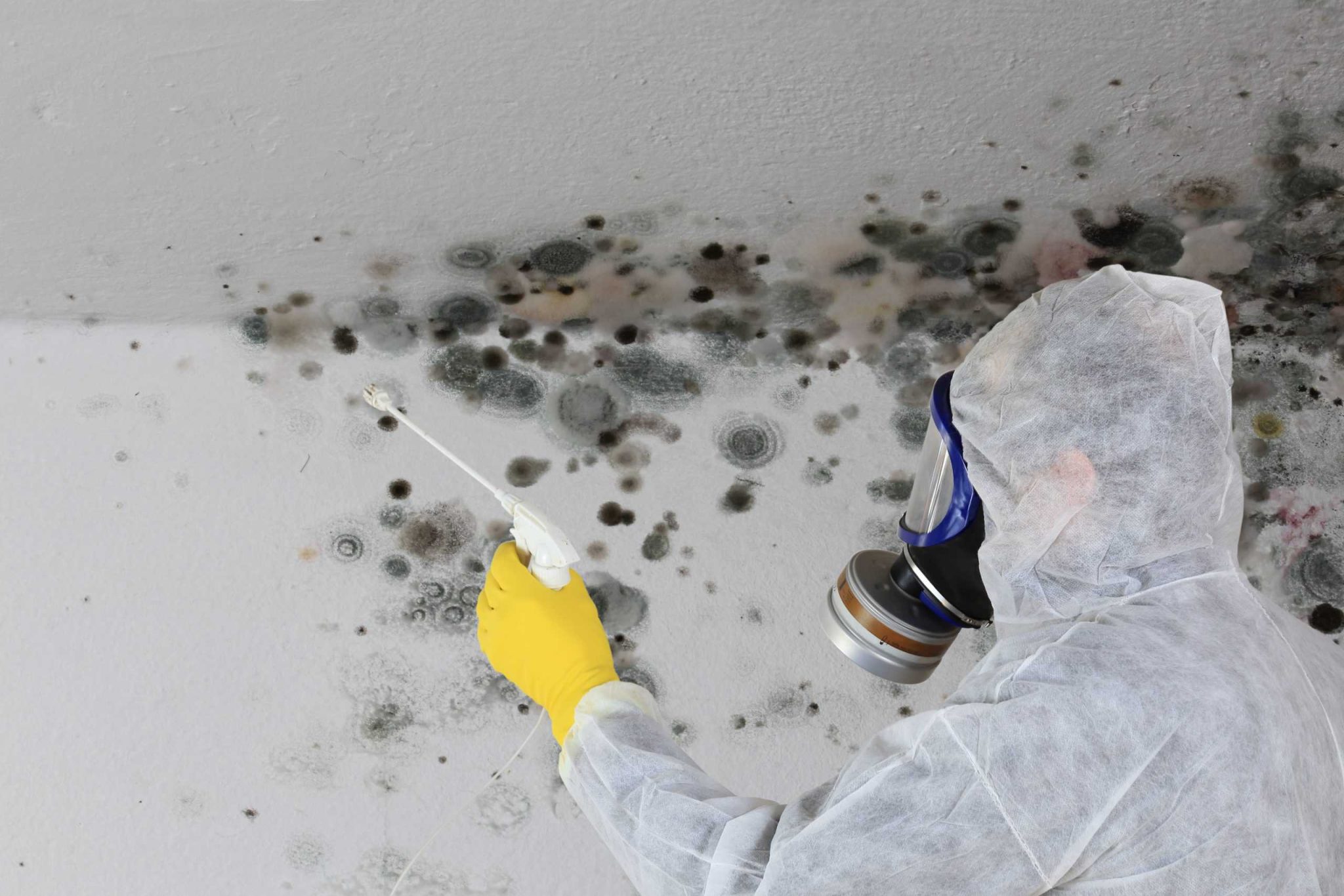
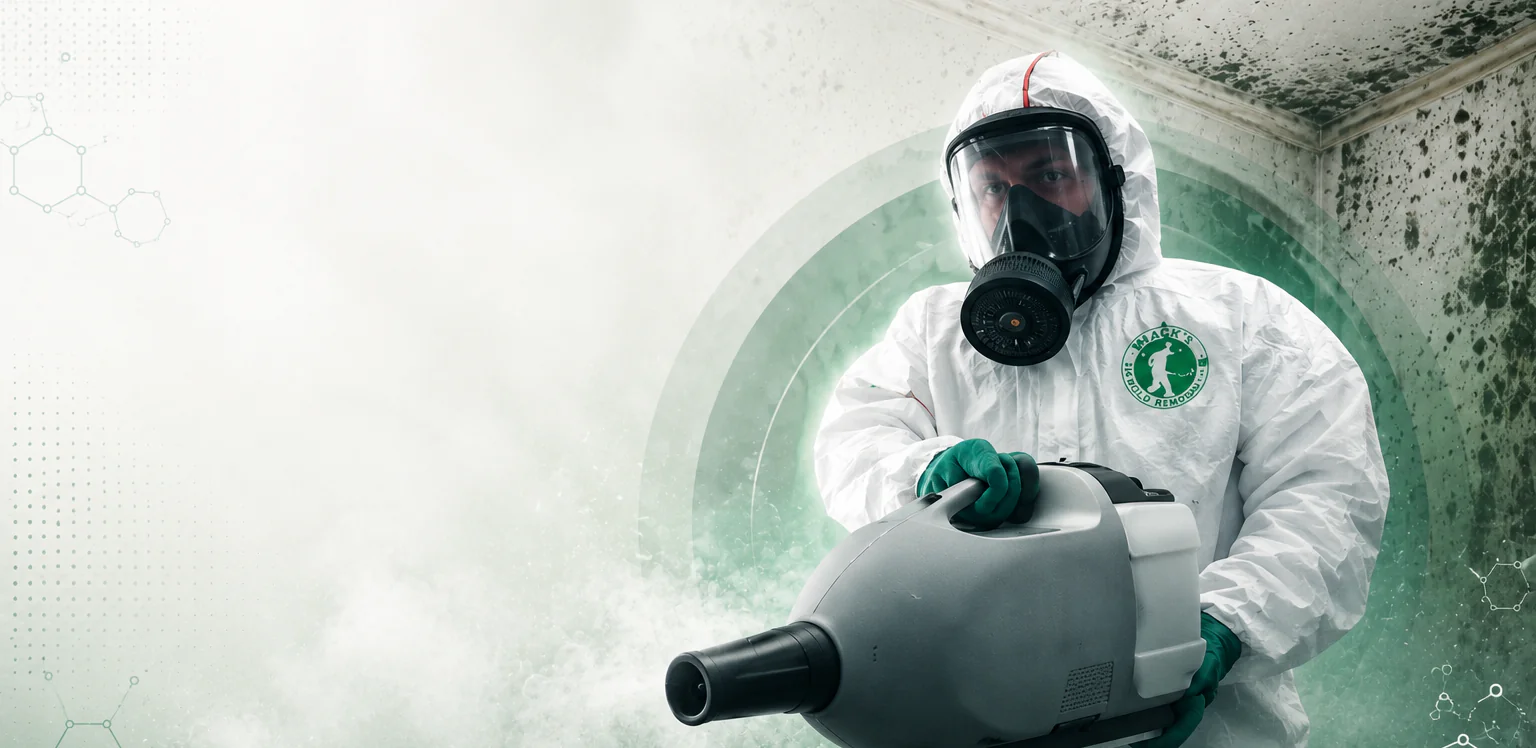
Once the scope is clear, you get upfront pricing written, not estimated. The number you’re given is the number you pay. From there, the cleaning process involves negative air pressure equipment and HEPA-rated vacuuming that pulls contaminants out of the system rather than redistributing them. Containment protocols are in place throughout, which is especially important in homes where disturbing mold without proper controls can spread spores to rooms that weren’t previously affected.
For homes that need it, air duct sanitizing applying antimicrobial treatment after the mechanical cleaning is available as an additional step. After the job, we test to confirm the mold is gone. That’s not standard in this industry. Most companies clean and leave. The post-remediation verification gives you documented proof, not just our word. For owners of historic properties in a nationally recognized district, that distinction is worth something.

Ready to get started?
We handle air duct cleaning, HVAC mold removal, air duct sanitizing, and dryer vent cleaning and in Carversville, each of those services carries specific weight.
The dryer vent cleaning piece is worth taking seriously here. Older homes often have longer, more convoluted dryer vent runs than modern construction a direct result of laundry facilities being retrofitted into spaces that weren’t originally designed for them. Longer runs accumulate lint faster, block more easily, and carry a real fire risk. The NFPA reports over 15,000 dryer-related house fires per year, with failure to clean vents as the leading cause. For the owner of an 18th-century stone farmhouse in the Carversville Historic District, that’s not a statistic to set aside.
On the air duct side, our approach is built around mold expertise that general duct cleaners don’t carry. When the concern is moisture-driven contamination from creek-valley humidity, from post-flood HVAC exposure, from the kind of below-grade moisture conditions that stone foundations create you need a certified mold remediation specialist running the job, not a technician trained only to vacuum registers. We bring both skill sets to every appointment, with financing available if needed and 24/7 availability for situations that can’t wait.
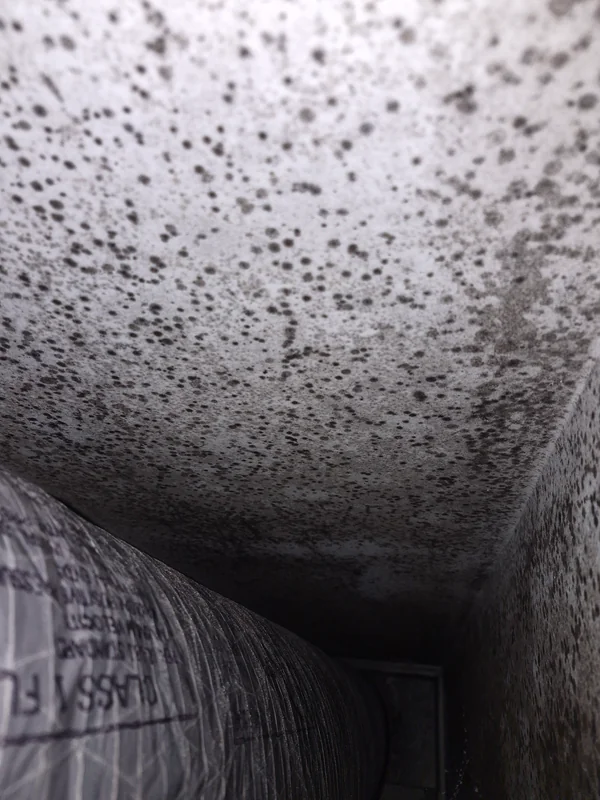
Yes and in Carversville specifically, it’s one of the most important steps homeowners can take after a flood event. When Hurricane Ida hit in September 2021, floodwaters moved through streets and into homes across the village. Water that enters a basement where air handlers, return air plenums, and duct connections typically originate creates mold colonization conditions within 24 to 48 hours. If the HVAC system was running during or shortly after that flooding, spores moved through the entire duct network before anyone knew there was a problem.
If your home took on water and your ductwork was never professionally inspected after the fact, there’s a real possibility that contamination is still present. A proper inspection looks beyond the visible registers and into the interior sections of the system where mold actually grows. We’ll inspect, test, and if needed, remediate what the flood left behind with lab results afterward so you’re not just taking someone’s word for it.
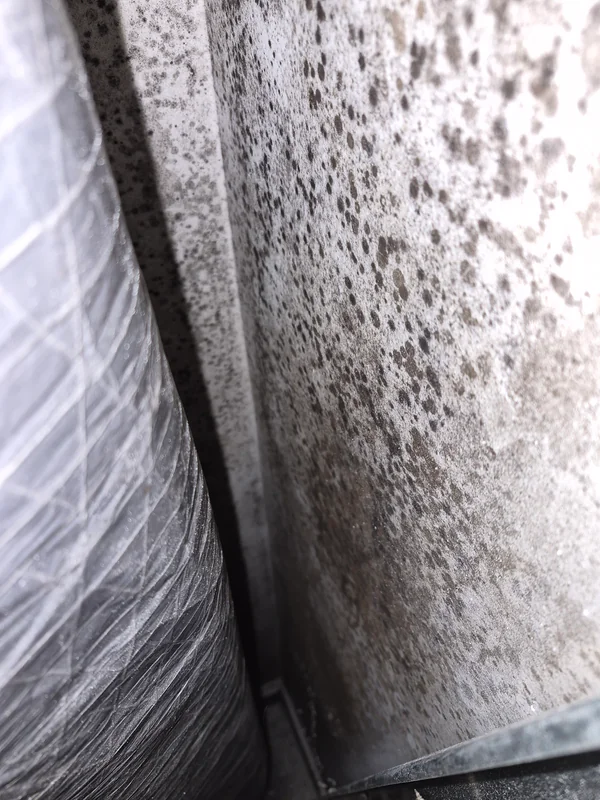
The most common sign is a musty smell that shows up specifically when the HVAC system runs not all the time, but reliably when air starts moving through the ducts. If that smell gets stronger when the heat kicks on for the first time in the fall, or when the AC starts up in summer, that’s a meaningful signal. Other signs include worsening allergy or asthma symptoms that seem to ease when you’re out of the house, visible discoloration or dark spots near registers, and a general stuffiness that doesn’t improve with ventilation.
In older Carversville homes, the challenge is that most of the ductwork runs through spaces you can’t easily see stone-walled basements, uninsulated crawl spaces, wall cavities. By the time mold is visible at a register, the problem in the interior sections of the system is often already significant. The only way to know for certain is a professional inspection that goes beyond the surface. We use lab testing to identify what’s present and determine the right approach not guesswork.
They’re two separate steps, and whether you need both depends on what’s in your system. Air duct cleaning is the mechanical process using negative air pressure and HEPA equipment to physically remove debris, dust, and biological matter from the ductwork. Air duct sanitizing is what comes after: applying an antimicrobial treatment to the interior surfaces of the ducts to address any remaining biological contamination that the mechanical cleaning alone doesn’t fully eliminate.
For homes in Carversville where the concern is mold rather than routine dust accumulation, sanitizing is often the right follow-up step. Mold isn’t just physical debris it leaves behind spores and organic material on duct surfaces that can re-colonize if not treated. In a creek-valley environment where ambient humidity is consistently elevated, that re-colonization risk is real. We’ll assess after the cleaning phase whether sanitizing is warranted based on what the inspection and lab results show not as a default upsell, but as a recommendation grounded in what’s actually present in your system.
For most homes, a thorough professional air duct cleaning takes between four and six hours. That’s the industry standard for a job done correctly meaning both supply and return ducts are cleaned, not just the registers you can see from the floor. Any company promising to finish a whole-house cleaning in under an hour is not doing the full job.
For older homes in Carversville’s historic district, the timeline can run toward the longer end of that range. Stone-walled basements and retrofitted ductwork often mean more complex access points and more surface area that needs attention. The inspection phase at the start of the appointment also takes more time in these homes, because the conditions are more variable than in standard modern construction. We work through the job at the pace your home actually requires not a pace designed to turn over as many appointments as possible in a day.
A general duct cleaning company is trained to remove dust and debris from ductwork. A certified mold remediation specialist understands how mold grows, how it spreads, what containment protocols prevent cross-contamination, and how to verify through lab testing that the mold is actually gone after the work is done. Those are fundamentally different skill sets.
The reason this distinction matters in a place like Carversville is that the most likely reason for duct contamination here isn’t routine dust buildup it’s moisture. Creek-valley humidity, post-flood water intrusion, stone foundation absorption these are mold-driving conditions, not general maintenance conditions. A duct cleaner without mold remediation training who disturbs mold inside a duct system without proper containment can spread spores to rooms that weren’t previously affected. We bring certified mold expertise to every air duct cleaning job, which means the process is built to address the actual problem, not just the visible surface of it.
For air duct cleaning itself no. The service is performed entirely inside the existing structure without any exterior modification or structural change, so it doesn’t trigger Solebury Township’s historic preservation review process. You don’t need township approval to have your ducts cleaned, inspected, or sanitized.
Where preservation review becomes relevant is if mold damage in the ductwork is severe enough that ductwork replacement or significant HVAC system modifications are needed. In that scenario, any changes that affect the exterior appearance or structural integrity of a contributing building in the Carversville Historic District would need to be reviewed for their effect on the property’s historical and architectural character. That’s worth knowing upfront if an inspection reveals damage that goes beyond cleaning. We’ll be direct with you about what the inspection finds and what it means for next steps including whether the scope of work stays well within routine service or starts moving toward something that warrants a conversation with the township.