
Summary:
Why Mold Grows Fast After Water Damage in Bucks County
Mold needs three things: moisture, organic material to feed on, and temperatures between 60 and 80 degrees. After a pipe leak or overflow, your home serves up all three on a platter.
Your walls, floors, and furniture are soaked. Your thermostat keeps things comfortable. Mold spores, always floating in the air, land on those damp surfaces and start growing within 24 hours. Here’s what makes it worse: you won’t see visible mold for days, maybe weeks. But by then, it’s already spreading behind walls, under flooring, into places you can’t reach without tearing things apart.
Pennsylvania’s climate accelerates everything. Our humid summers and damp winters keep indoor moisture levels elevated. Older homes in Bucks County—many built without modern vapor barriers—are sitting ducks. That’s why the first 48 hours after water damage matter more here than almost anywhere else.
How Bucks County's Climate Creates Perfect Mold Conditions
If you’ve lived through a Bucks County summer, you know the air feels thick. Temperatures climb into the 80s and 90s, humidity makes everything sticky, and your AC runs nonstop just to keep up. That combination of heat and moisture is mold’s dream environment.
Winter doesn’t help either. Damp conditions persist, especially in basements and crawl spaces. Clay soil and high groundwater tables are common throughout the area, which means water finds its way into foundations. Once it’s inside, it lingers. Poor ventilation in older homes traps that moisture, creating pockets where mold thrives.
When a pipe leaks or a toilet overflows, you’re dumping even more water into an environment already primed for mold growth. The humidity in the air slows drying times. Surfaces that might dry out in a day elsewhere can stay damp for three or four days here. Every extra hour of moisture exposure gives mold another chance to colonize.
Basements are the worst offenders. They’re naturally cooler and more humid than upper floors. Attics run a close second, especially when temperature swings between day and night cause condensation. Even bathrooms and kitchens, where steam and splashes are daily occurrences, become breeding grounds if water damage isn’t handled immediately.
You can’t change the weather. But you can control how fast you respond to water damage. The faster you dry things out and drop indoor humidity levels, the better your odds of avoiding a mold problem that costs thousands to fix.
What Happens When You Wait Too Long to Act
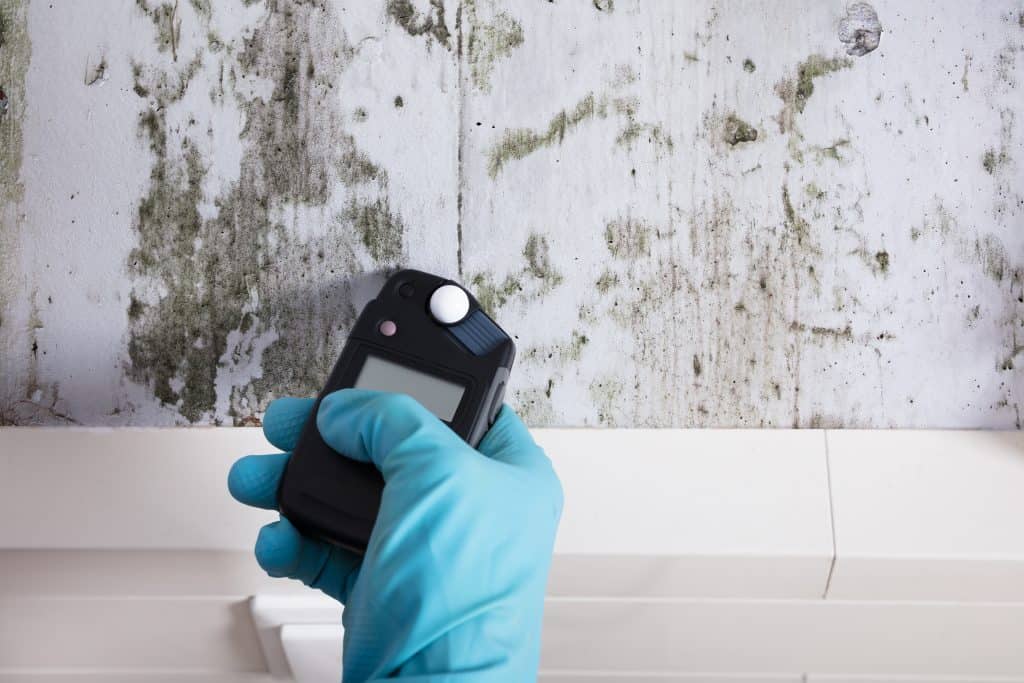
Let’s say you notice a leak, mop up what you can see, and figure you’re done. A few days later, there’s a musty smell. A week after that, dark patches creep up the baseboards.
By that point, mold has colonized. It’s not just surface growth anymore. It’s inside the drywall, under carpet padding, possibly in your HVAC system. Removing it means tearing out materials, scrubbing every affected surface, and dealing with structural repairs you didn’t budget for.
Health risks escalate fast. Mold releases spores into the air. Breathing them triggers allergies, respiratory issues, headaches, skin irritation. For anyone with asthma or a weakened immune system, exposure gets serious. Kids and elderly family members are the most vulnerable.
Then there’s the money. Mold remediation isn’t cheap once it spreads. What could have been a few hours of drying and cleaning becomes a multi-day project involving professionals, specialized equipment, and insurance claims. Some homeowners pay thousands to fix damage that quick action would have prevented.
Waiting also tanks your property value. Mold is a red flag for buyers. Even after professional removal, you’ll likely need to disclose the history, which hurts resale potential. Inspectors know where to look, and they’re good at finding traces of past problems.
Bottom line: the longer water sits, the worse it gets. Mold doesn’t slow down because you’re busy or unsure what to do. It just keeps growing. Acting immediately, even when you’re not sure how bad things are, always beats waiting to see what happens.
Want live answers?
Connect with a Mack's Mold Removal expert for fast, friendly support.
Step 1: Shut Off the Water Source Immediately
Before anything else, stop more water from entering. If it’s a burst pipe, shut off the main water supply to your house. Every home has a main shutoff valve, usually near the water heater or in the basement. Don’t know where yours is? Find it now. Mark it. Make sure everyone in your household knows how to turn it off.
For appliance leaks—washing machines, dishwashers—turn off the water supply to that specific unit. Most have a shutoff valve nearby. Toilet overflows? Turn the valve behind the toilet or lift the tank lid and manually close the flapper to stop the flow.
Once the water is off, assess safety. Is there risk of electrical hazards? Water near outlets, your fuse box, or electrical appliances means you turn off power to that area before doing anything else. Water and electricity together can kill you.
Step 2: Extract Standing Water as Fast as You Physically Can
Standing water seeps into everything. Flooring. Drywall. Furniture. Subflooring. The longer it sits, the deeper it goes. Your job right now is to remove as much water as possible, as fast as possible.
For small leaks or minor overflows, towels and a mop might cut it. But if you’re looking at more than a few gallons, you need a wet/dry vacuum. These machines suck up water without destroying themselves. Don’t own one? Hardware stores rent them by the day.
Start where water has pooled deepest. Work from the center outward. Don’t just focus on what you see on the surface. Water travels. It runs under baseboards, seeps into subflooring, hides in corners you wouldn’t expect. Pull up rugs and check underneath. Move furniture away from wet areas so air can circulate around them.
If the water damage is extensive—major pipe burst, flooding—you’ll need professional-grade pumps and extractors. These machines remove water from carpets, padding, and hard-to-reach spaces far more effectively than anything you can rent. In those situations, calling a water restoration company is the smart move. They have the equipment and experience to handle large-scale water removal fast.
Time matters. Every extra hour standing water sits gives mold more opportunity to establish itself. Don’t wait until tomorrow or until you can get to the store. Use whatever you have on hand to start removing water right now, then upgrade to better tools as soon as you can.
Safety reminder: wear gloves and boots if you’re wading through water, especially from a toilet overflow or any contaminated source. If water is deep or electrical hazards are present, call professionals instead of risking injury.
Step 3: Run Fans and Dehumidifiers Until Everything Is Bone Dry
Removing standing water is half the battle. Moisture absorbed into walls, floors, and furniture needs to dry completely, or mold will still grow.
Open every window and door to move air through the space. Fresh air carries moisture out. If it’s humid outside—which it often is in Bucks County, PA—this won’t be as effective, but do it anyway. Position fans to blow across wet surfaces. Don’t aim them directly at walls or floors; angle them so air moves across the surface and pulls moisture away. The more airflow you create, the faster things dry.
Ceiling fans help too. They prevent moisture from settling on upper walls and ceilings, spots you might overlook. If you have air movers or industrial fans, use them. They’re more powerful than household fans and speed up drying significantly.
Here’s where a dehumidifier becomes non-negotiable. Even after mopping and running fans, moisture lingers in the air. That moisture re-settles on surfaces if you don’t extract it. A dehumidifier pulls excess humidity from the air and collects it in a tank or drains it through a hose.
For a small leak in one room, a standard home dehumidifier might work. But if water damage is widespread, you want a commercial-grade unit. These handle larger spaces and higher moisture levels. You can rent them if buying doesn’t make sense.
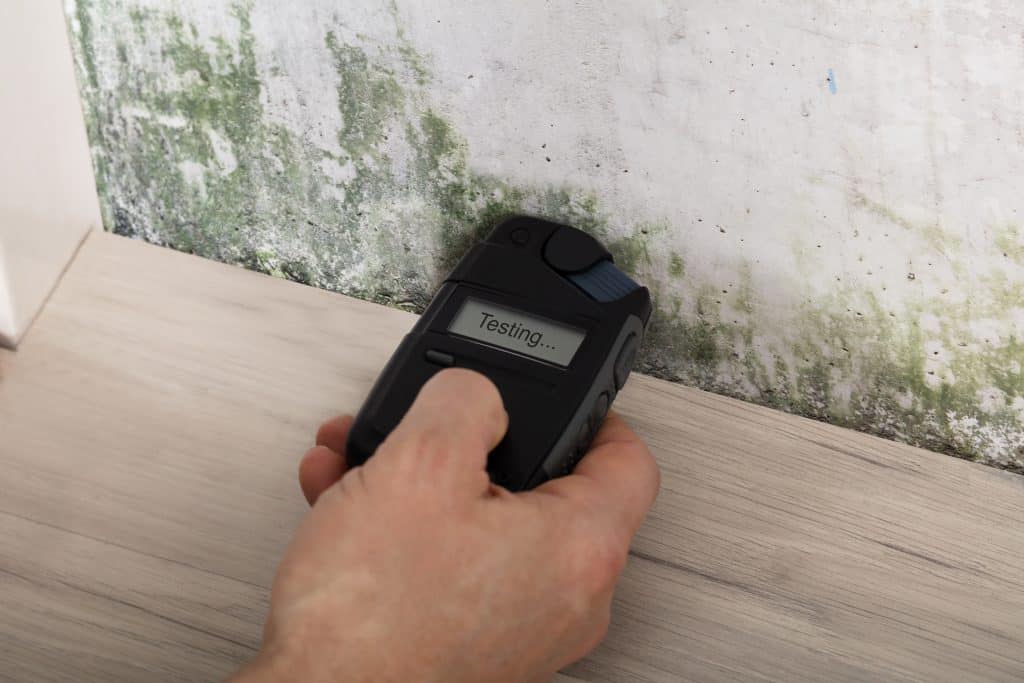
Set your dehumidifier to maintain indoor humidity between 30 and 50 percent. Anything higher creates conditions where mold thrives. Check humidity levels with an inexpensive moisture meter from any hardware store. Keep the dehumidifier running continuously until everything is completely dry. That might take several days, depending on how much water was involved and how humid your home is normally.
Don’t rush this. Surfaces might feel dry to the touch, but moisture can still hide underneath or inside materials. Drywall, insulation, and wood hold water for days. Stop drying too soon, and you’re inviting mold in. When in doubt, keep fans and the dehumidifier running longer than you think necessary.
Step 4: Clean and Disinfect Every Surface That Got Wet
Once everything is dry, you clean. Even without visible mold, spores could already be present on surfaces that got wet. Cleaning and disinfecting kills those spores before they grow into colonies.
Start with water and detergent. Scrub walls, floors, baseboards, and any hard surfaces that contacted water. This removes dirt, debris, and organic material mold feeds on. Rinse with clean water and dry the area again.
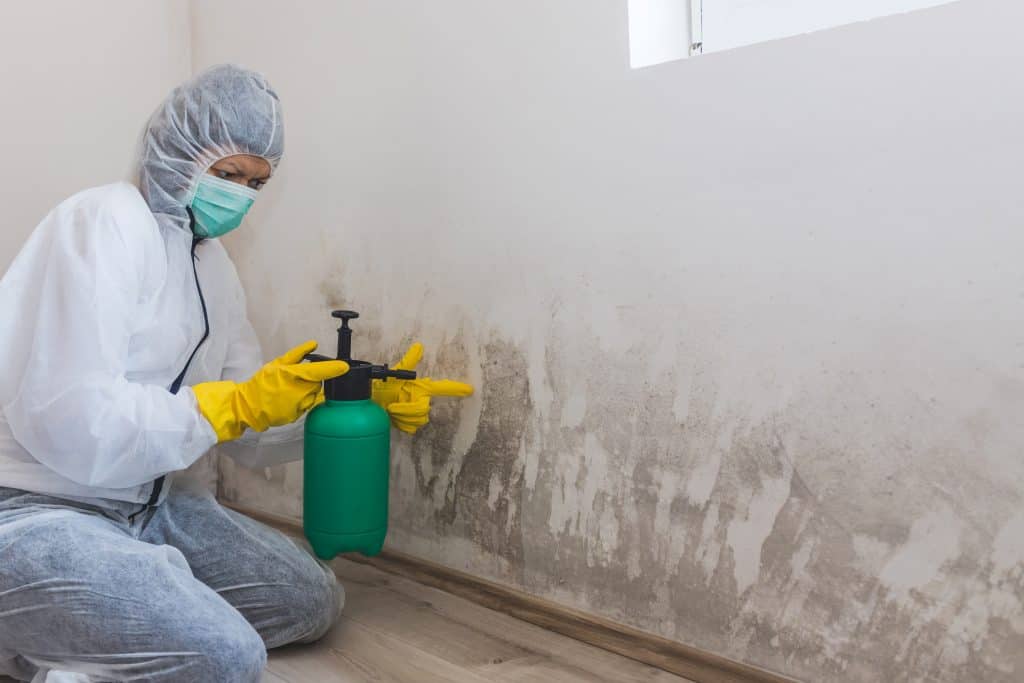
Next, disinfect. A bleach solution works well. Mix one cup of bleach with one gallon of water. Apply it to cleaned surfaces and let it sit for at least 10 minutes before rinsing. Bleach kills bacteria and fungi, including mold spores. Make sure the area is well-ventilated when using bleach, and never mix it with other cleaning products—that creates toxic fumes.


